Quick answer for walking through fields with cattle, Scotland: stop and assess at the gate, keep a steady pace, never come between a cow and her calf, and retreat if the cattle look agitated.
Picture a closed gate, a herd grazing beyond it and a path that crosses the middle of the field. Nothing about that scene is unusual on Scottish farmland, and the right response is a routine rather than a reason to turn back. This guide sets out that routine, with rules for sheep and gates, as a practical complement to the wider Scotland outdoor access rights guidance. The Scottish Outdoor Access Code is the framework for responsible access on farmland, and the behaviour advice below comes from walker safety guides.
Cows with calves and bulls: where the risk sits
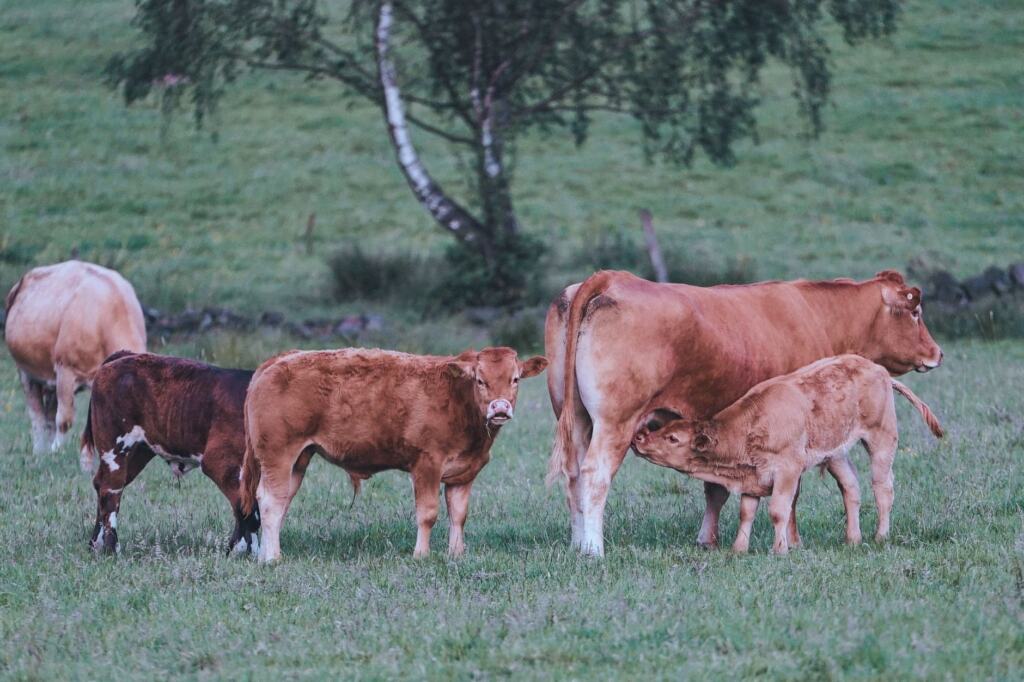
Farm livestock is rarely a problem for walkers, and cattle are the group that needs the most thought. According to Mark Horrell’s account of cattle on public footpaths, cows are not generally aggressive, and the exception is when they have calves. A field of cattle without young is a different proposition from a field with cows and calves.
The Fieldworthy guide to walking through fields with cows names cows with young calves as the highest-risk pattern, because maternal protective behaviour is powerful and can escalate quickly. The same guide points out that a cow outweighs a walker by several hundred kilograms, which is why distance and calm matter more than confidence.
Bulls are a separate question. Horrell notes that it is illegal for a farmer to put certain breeds of dairy bull in a field with public access. That rule does not make every field bull-free, so the gate assessment below still includes looking for a bull.
What to do when cattle approach
Curious cattle often walk towards a stranger, so approach alone is not an emergency. What matters is how you behave and whether the animals look settled. Fieldworthy describes agitation as an intent stare and a lowered head. Treat either as a cue to change plan.
- Stop and assess at the gate. Before entering, locate the cattle, any calves, any bull and your exit route.
- Walk at a steady, predictable pace. Do not run unless you are charged.
- Turn slightly sideways as they approach. Fieldworthy says this can help.
- Never position yourself between a cow and her calf. Give calves a wide berth.
- Move diagonally towards the nearest exit point if the animals become threatening, rather than backing along the path you came by.
- Retreat if you are uneasy. Turning around entirely and leaving the field is always a legitimate choice.
The last step is the one walkers most often skip. A planned route is never worth a confrontation with a herd, and a retreat costs only time.
Dogs and cattle
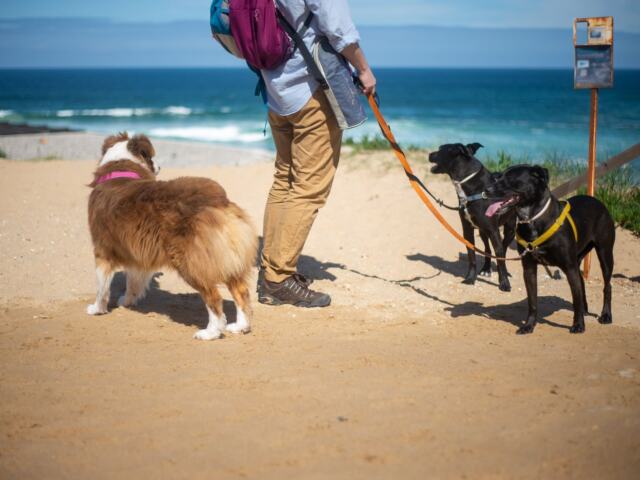
A dog changes the picture. Horrell observes that most of the walkers in the fatal incidents he cites had dogs with them, which he says makes cows more aggressive. Fieldworthy advises a short fixed lead near cattle and says retractable leads are not suitable here.
If cattle threaten or charge, Fieldworthy’s advice is to let go of the lead. The dog can usually outrun the herd, and holding on endangers you both. For the wider rules on dogs and access, see the guide to walking dogs scotland access rules.
Sheep, lambing and tupping
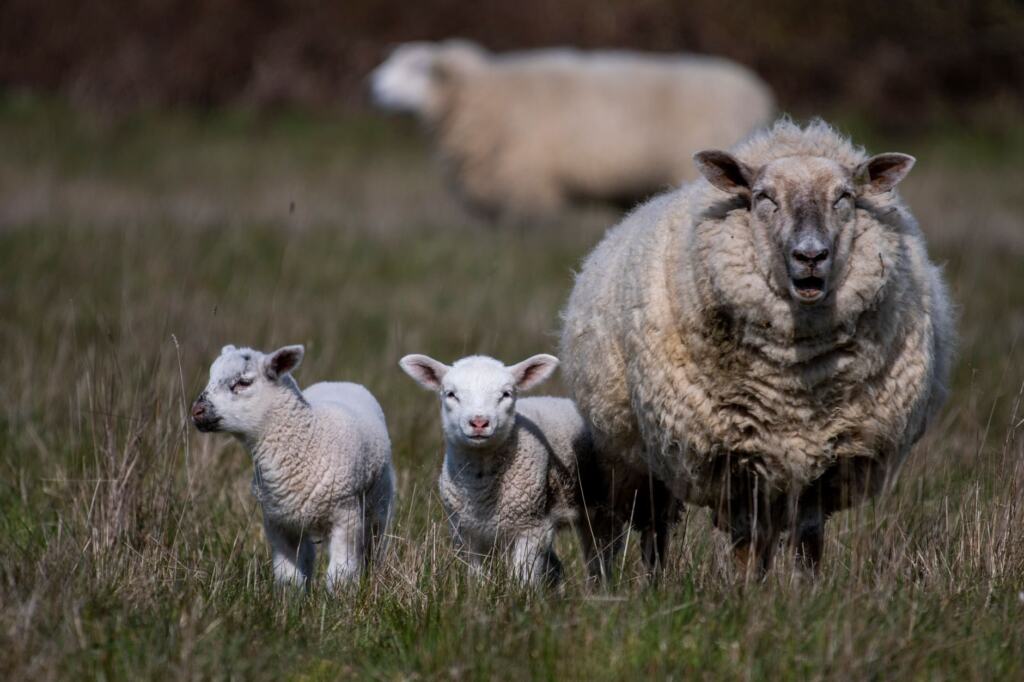
Lambing season is a spring matter on sheep farms. Ewes with lambs at foot are protective, and a dog in the field is the main way a walker causes trouble. Farm notices at the gate are the most reliable sign of whether a particular field is in use for lambing, so read them before you go through.
Sheep have their own seasonal pressure point. TrailTrack’s livestock safety guide lists rams during tupping season among the situations that escalate, along with cows with calves and any dog near sheep. Keep your dog close or choose a different route when a field holds sheep in either season.
Gates: open or closed
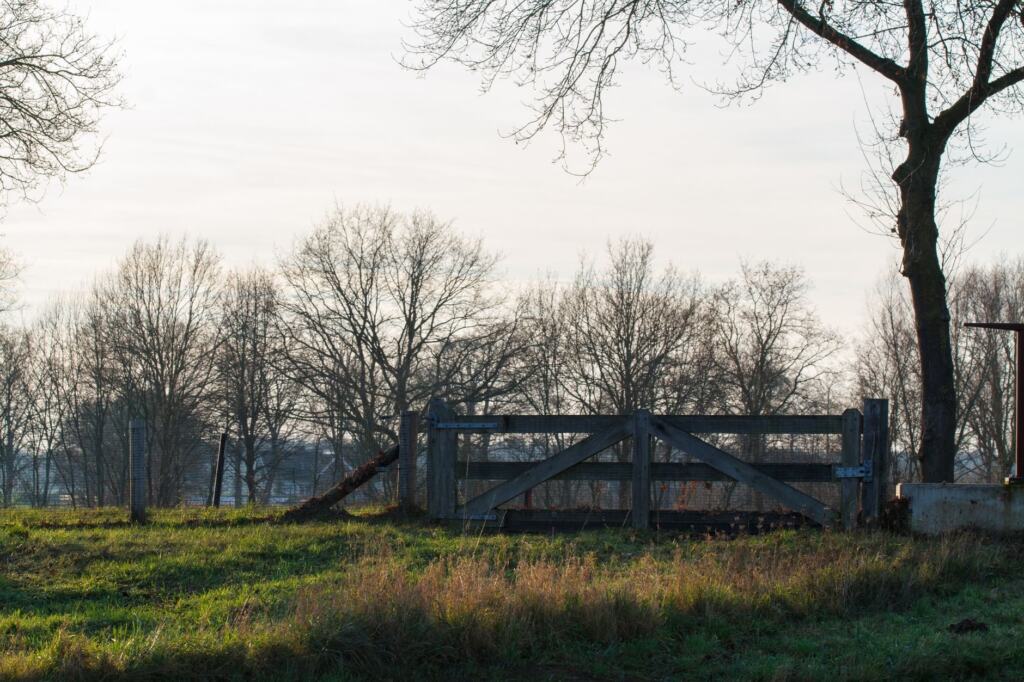
Leave a gate as you found it. Fieldworthy states the closed case plainly: close the gate behind you if it was closed when you arrived. A gate left open can let stock out onto roads or into crops, and the convention exists so that the farmer does not have to guess who passed through.
This is also why assessing at the gate matters. Hold the latch, look into the field and decide before you step through. If you decide to turn back, the gate you came through is the exit you already know.
Decision guide for common situations
| Situation | Action | Planning use |
|---|---|---|
| Cows with young calves near the path | Keep out of the space between cow and calf; walk steadily | Highest-risk pattern, so allow a wide margin or choose another route |
| Cattle moving towards you | Turn slightly sideways; move diagonally to the nearest exit | Plan the exit before entering |
| Cattle charge while you hold a dog lead | Let go of the lead | Use a short fixed lead, not a retractable one |
| Rams in tupping season, or any dog near sheep | Avoid the field or keep the dog well controlled | Situations escalate quickly, so decide at the gate |
| Gate closed when you arrived | Close it behind you | Keeps stock where the farmer placed them |
The advice in this table draws on Fieldworthy’s guide to walking through fields with cows and TrailTrack’s livestock safety guide.
Detours and field margins
Walkers sometimes assume a path must be followed through the herd. Fieldworthy says you may detour from a path if livestock block it, and that retreating is always legitimate. Horrell adds that there is no requirement for farmers to fence cattle off from the route of a footpath, so a herd on the line of your route is a normal situation.
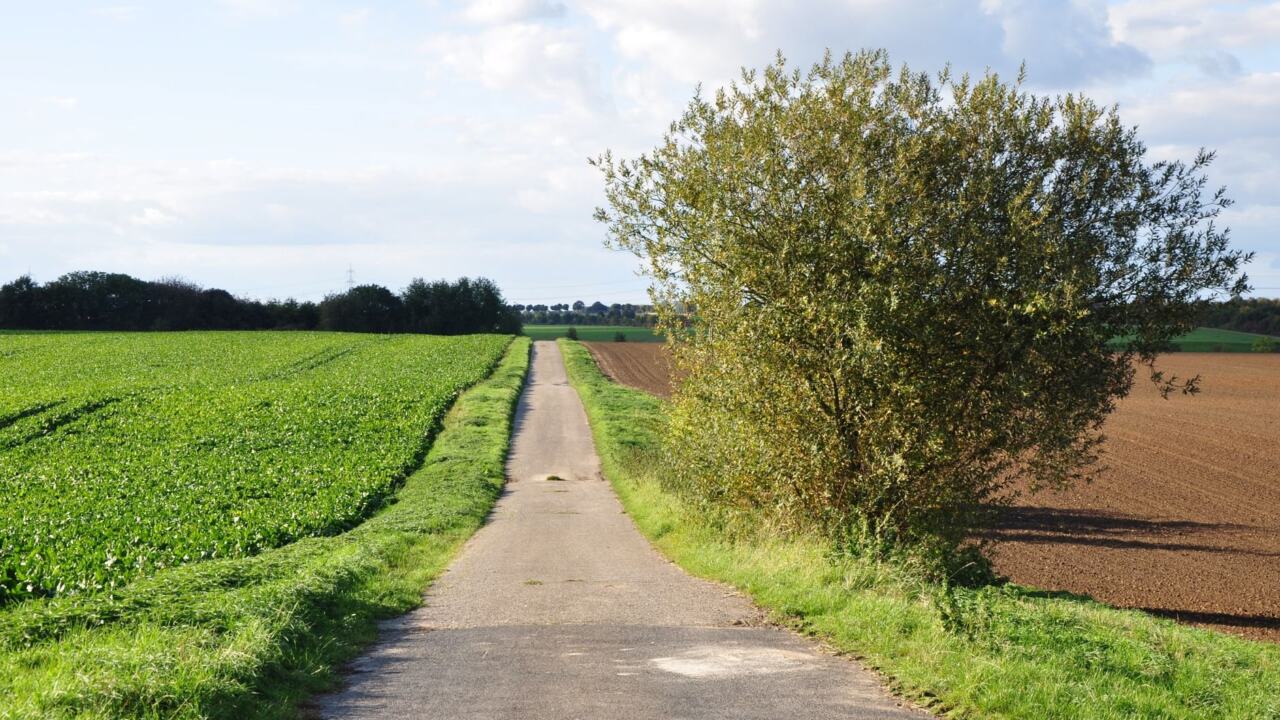
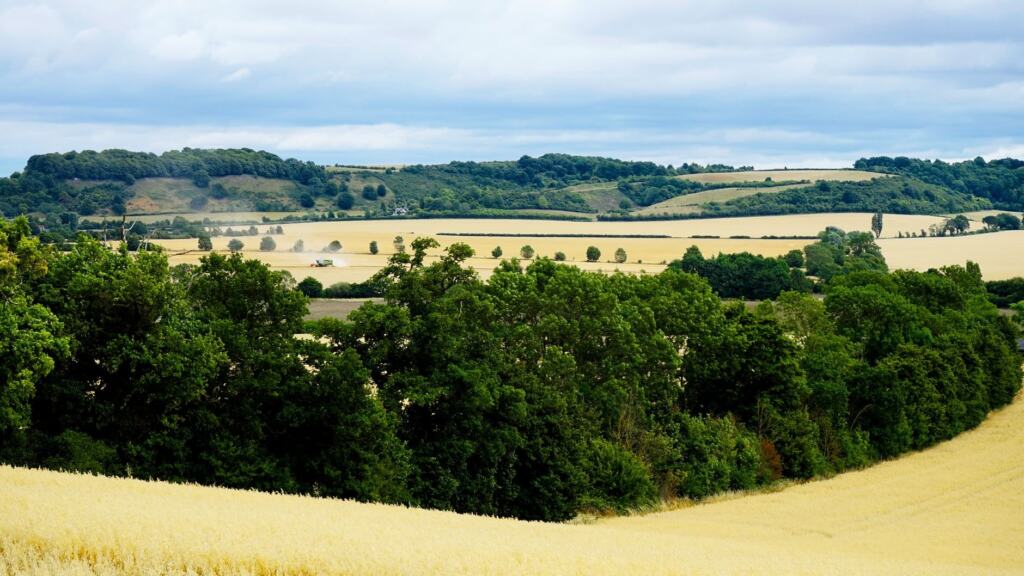
When a field is a crop rather than pasture, the path often runs along the margin, which keeps you clear of both the crop and any stock. When a detour means leaving the route, keep to the edge of the field and rejoin the path beyond the animals. If your plans also involve overnight stops, the wild camping scotland rules cover those access conditions separately.
Reporting a cattle incident
The Health and Safety Executive (HSE) regulates workplace health and safety in the UK, and farms are workplaces. According to Cattle Safety’s guidance on HSE and cattle attacks, any attacks involving cattle should be reported to the HSE. The same page notes that the HSE is more likely to act when there have been several reports about the same farm, so a report on a near miss still adds to the record.
Frequently asked questions
| Question | Answer |
|---|---|
| Is it safe to walk through fields with cows and calves? | It is usually safe when cattle are left alone, but cows with young calves are the highest-risk group. Give them as much space as the field allows or use another route. |
| When is lambing season in Scotland? | Lambing is a spring activity. Notices at the gate are the best guide to whether lambs are present in a given field. |
| Should gates be left open or closed? | Leave them as you found them. If a gate was closed when you arrived, close it behind you. |
| Can I use another route to avoid livestock? | Yes. You may detour from a path if livestock block it, and retreating from the field is always a legitimate choice. |