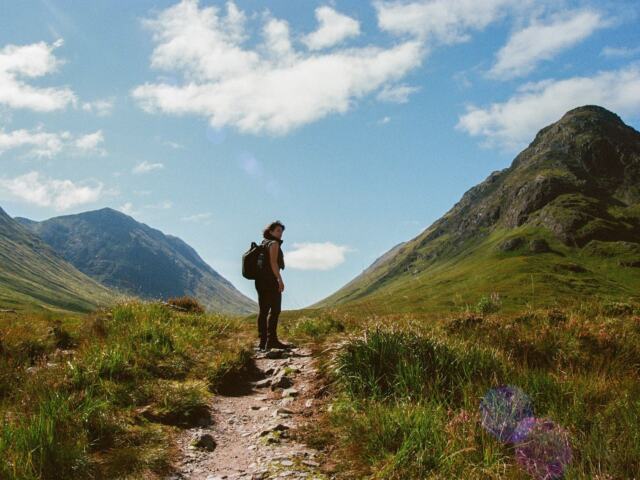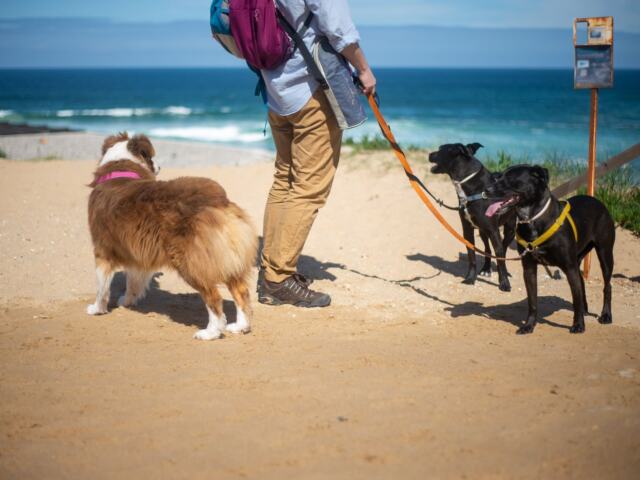
| Reserve | Suits | Setting | Planning use |
|---|---|---|---|
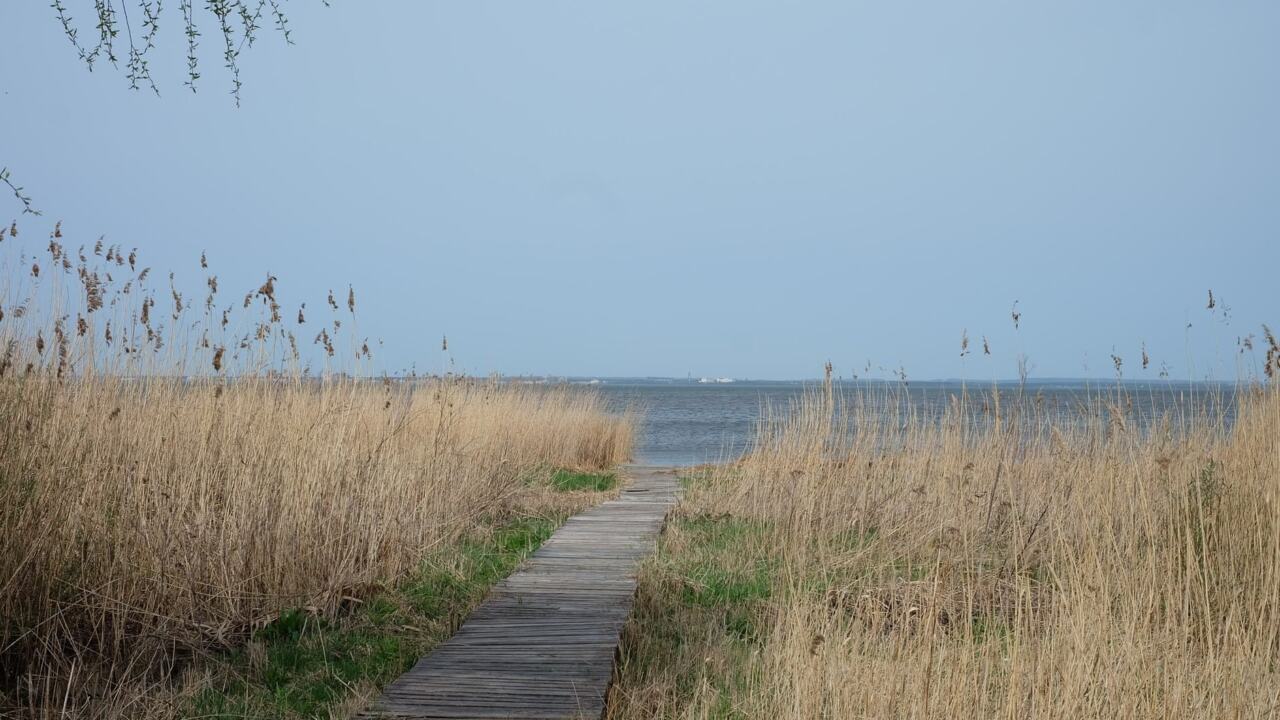
| Loch Leven | Birdwatchers and walkers who want gentle, open ground beside water | Reeds, boardwalk and open loch | Choose it for winter wildfowl. Look at the Loch Leven Heritage Trail information before planning a longer circuit. |
| Tentsmuir | Walkers who like beach, dune and forest in one outing | Sand dunes with a pine edge | Choose it for varied scenery and room to roam. Allow time to explore both the dune and tree sides. |
| Fife Ness | Coastal walkers who like headland views | Rocky shoreline and scrub | Choose footwear that copes with rough, uneven ground, and expect exposure on the headland. |
| Kilminning coast reserve | Walkers adding a short coastal stop to a longer day | Coastal reserve | Treat it as a companion to Fife Ness and confirm access arrangements before you go. |
Habitat notes reflect the sea shore, woodland and moorland walking that the Scottish Wildlife Trust in Fife and Kinross promotes. Confirm path details with each reserve’s manager.
The best nature reserves in Fife for walkers split by what you want to do: watch winter birds, walk dunes and forest, or follow a rocky headland. Match the reserve to your walking style first, then check dogs, footwear and season.
For the wider rules that apply on every route, read about Scotland outdoor access rights before you set out. The sections below group the reserves by the kind of walk each one suits.
If you want water, reeds and winter birds
Wetland reserves reward patience more than mileage. They suit walkers who are happy to stop often, carry binoculars and treat the walk as a wildlife visit with some exercise attached.
Loch Leven
A Loch Leven nature reserve walk is the clearest choice for accessible, scenic ground beside open water. The setting is a reedy shoreline with boardwalk sections and wide views across the loch, which makes it comfortable for family groups, casual walkers and anyone who prefers a steady surface underfoot to rough paths.
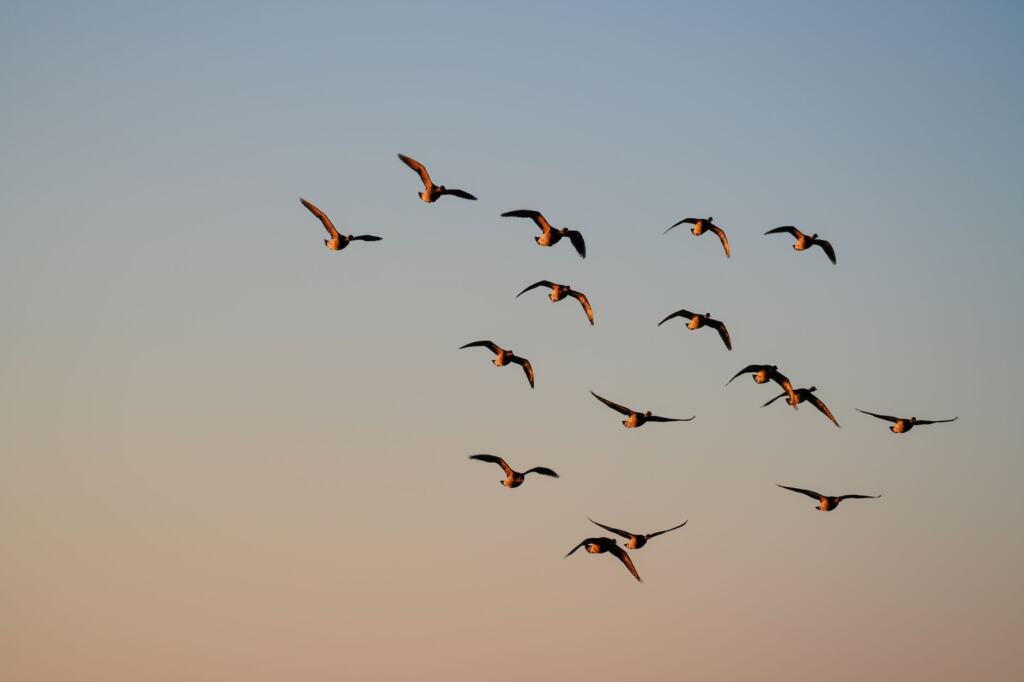
The main seasonal draw is winter wildfowl. Pink-footed geese are the bird most walkers associate with Loch Leven in the colder months, and the best moments tend to come around dawn and dusk when flocks move. Plan for early starts or late finishes if the geese are your goal, and dress for standing still beside open water, which feels colder than walking.
Walkers who want more distance than a short shoreline stroll should look at the Loch Leven Heritage Trail information. It describes the longer route options, and checking it before you leave lets you decide whether to walk a section or a full circuit. The trade-off is simple: the longer you walk, the less time you spend watching birds from one good vantage point.
- Best for: birdwatchers, photographers, families and walkers who prefer level, well-defined paths.
- Less suited to: anyone who wants rugged terrain or a strenuous day out.
- Best season: winter for the wildfowl, though the reedbed and water views suit other months too.
If you want dunes, sand and trees
Coastal habitat on this side of Scotland changes quickly underfoot. Soft sand, firm sand and forest floor each need different footwear and pacing, so decide how much of each you want before choosing a reserve.
Tentsmuir
Tentsmuir nature reserve combines sand dunes with a pine edge, so one outing can include open coast and sheltered woodland. That mix makes it a strong pick for walkers who get bored on a single type of terrain, and for groups where tastes differ between beach lovers and forest lovers.
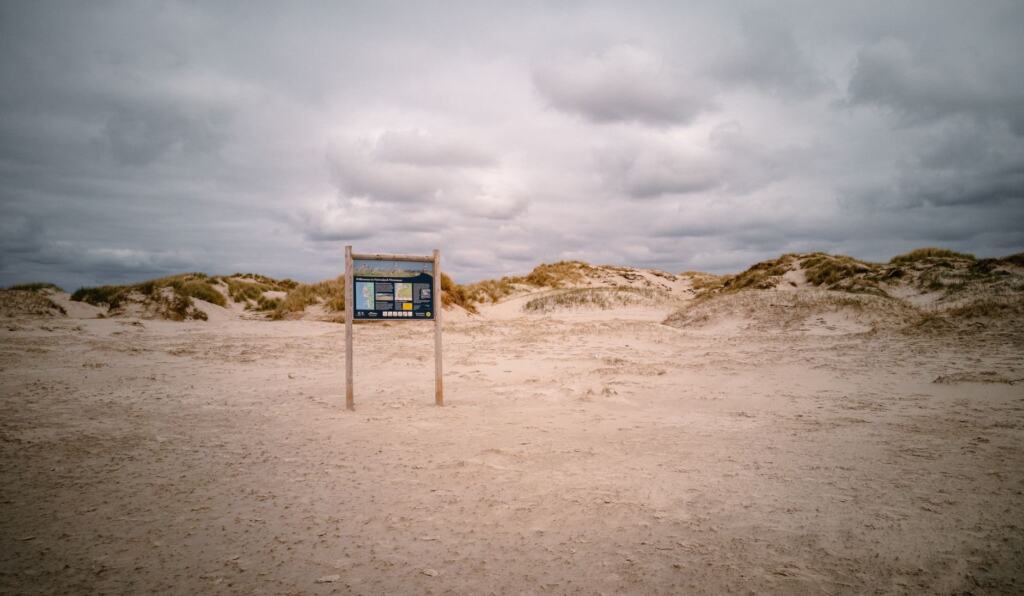
Soft sand slows walking, so judge your timing by effort rather than by distance alone. Walkers who prefer a structured route through trees and along the shore can follow the dedicated Tentsmuir forest walk guide, which handles route detail that a reserve comparison cannot.
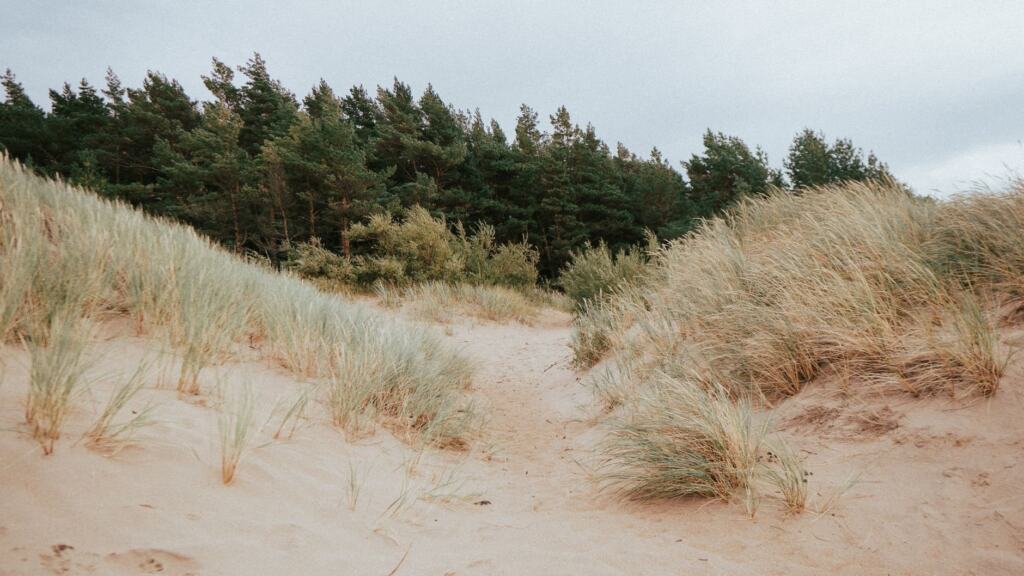
- Best for: walkers who want variety, open space and a mix of beach and woodland.
- Less suited to: anyone who needs a hard, even surface the whole way.
- Planning tip: decide in advance whether the dunes or the trees are the priority, then build the route around that.
If you want a headland and rocky coast
Headland walking is about exposure and uneven footing. These reserves reward walkers who enjoy open skies and a sense of edge, and they punish poor footwear and thin layers.
Fife Ness
Fife Ness nature reserve is a headland site with a rocky shoreline and scrub, which gives it a rougher, more windswept character than the loch or the dunes. The ground is less forgiving than at Loch Leven, so it suits walkers who are comfortable on uneven paths and who value dramatic coastline over easy going.
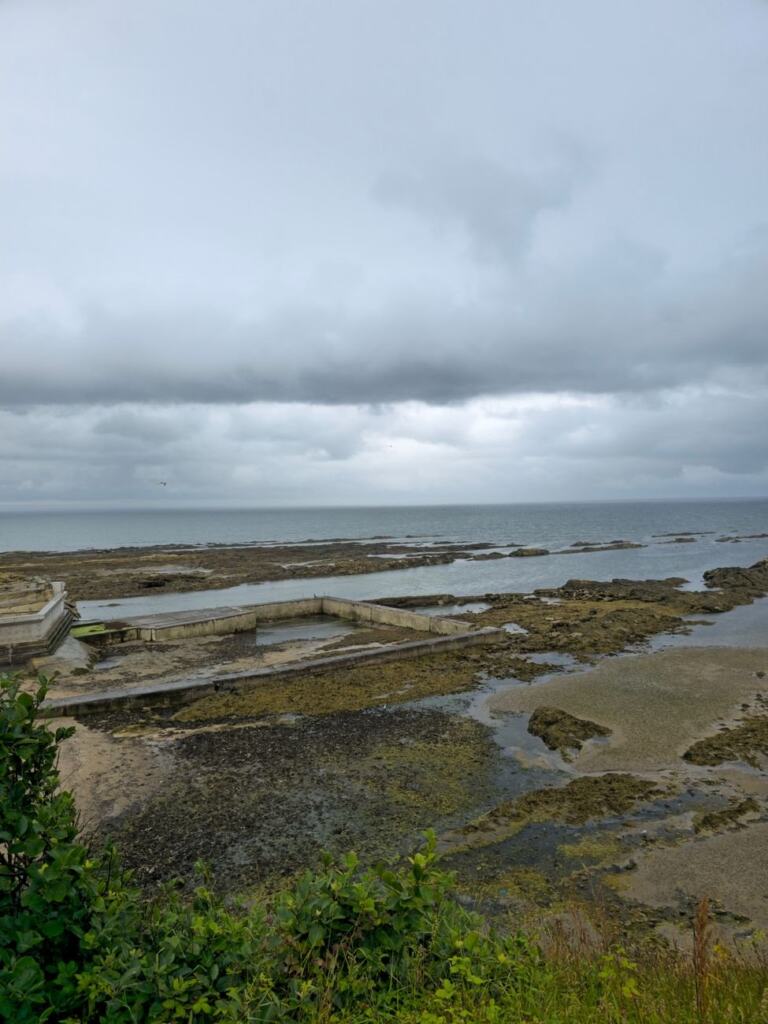
Wear boots or shoes with good grip, because wet rock and scrub edges are the main hazards on a coastal headland. Pack a windproof layer even when the weather inland looks calm, since an exposed point catches wind that sheltered ground does not.
- Best for: experienced walkers, photographers and anyone who likes wild shoreline.
- Less suited to: pushchairs, mobility limits or walkers who want a surfaced path.
Kilminning coast reserve
The Kilminning coast reserve fits best as a short coastal addition rather than a full day on its own. It suits walkers who are already exploring this stretch of coast and want another stop with a similar shoreline feel, so plan it alongside Fife Ness rather than in competition with it.
Because access arrangements can differ between coastal sites, check the managing body’s notices for the current position before you travel. If the weather turns, a short, flexible stop like this is easier to drop or extend than a fixed route.
If you want a wildlife trip beyond the mainland
Some walkers want a wildlife-focused day that goes beyond a coastal path. For that, the Isle of May nature reserve guide covers a trip of its own, with logistics that do not belong in a mainland shortlist. Treat it as a separate plan rather than a quick add-on to a day on the Fife coast.
Choosing and checking before you go
Pick the reserve by walker type, then check the practical details that differ from site to site. The decision list below covers the usual choices.
- Wheeled or mixed-ability group: start with Loch Leven, where the boardwalk and loch-edge setting suit steadier walking.
- Walkers who want variety: choose Tentsmuir for the dune and pine mix, and accept slower going on soft ground.
- Walkers who want drama and wind: choose Fife Ness, and add the Kilminning coast reserve if time allows.
- Winter visitors: favour Loch Leven for the birds and carry extra layers for exposed shoreline anywhere.
Dog rules are set site by site, so confirm them on the managing body’s page or at the entrance before bringing a dog. Seasonal conditions can also change what is open or advisable, which is why reading on-site notices on arrival matters as much as planning at home.
Helping reserves while you walk
Walkers who return to the same sites can do more than visit. The Scottish Wildlife Trust notes that volunteers survey reserves, share local knowledge and contribute records. It adds that evidence from surveys informs planners, landowners and conservation partners locally, so regular visitors who learn the wildlife can add real value to local decisions.
That makes a repeat visit more purposeful. Walk a favourite reserve across seasons and you notice what changes, which is exactly the kind of observation survey work depends on.
Frequently asked questions
| Question | Answer |
|---|---|
| Which Fife reserve is best for winter walking? | Loch Leven stands out because its winter wildfowl, especially pink-footed geese, are the main seasonal draw. Wrap up warmly, since the loch edge is exposed. |
| Can I take a dog to these reserves? | Rules vary by site, so check the managing body’s page or the entrance notices for each reserve before you travel. |
| Which reserve suits a short coastal stop? | The Kilminning coast reserve works well as a brief addition to a day at Fife Ness, once you have confirmed current access arrangements. |
| Which reserve has the roughest ground? | Fife Ness, with its rocky shoreline and scrub, is the most demanding underfoot. Loch Leven is the gentlest. |
| Can walkers help with wildlife recording? | Yes. The Scottish Wildlife Trust in Fife describes volunteers surveying reserves and contributing records that inform local planners and landowners. |