| Period | What the reserve reports | Planning use |
|---|---|---|
| Mid-February to mid-October | Pied wagtails are on the island only in this window | A spring-to-early-autumn trip suits visitors who want resident summer birds along the paths |
| Autumn migration (count of 19 Oct 2026) | 2,207 Fieldfare and 1,277 Redwing moving west in flocks of varying size | Autumn suits birdwatchers who enjoy watching skies and scrub more than ticking off one headline species |
| Late October 2026 | Storm Austen and Storm Boelo hit the island; weather described as interchangeable and turbulent | Keep the date flexible and expect rough crossings |
| Late October 2026 (post of 27 Oct) | Early grey seal pups doing well | Autumn is the time to plan around seals and their pups |
| Late autumn | Short-eared owls arrive from Russia, Scandinavia and Iceland | A late-autumn trip adds a chance of owls |
| After the migration season | Island winds down for winter and the reserve team leaves | Winter is a quiet period for the island, so check what is running before booking |
These notes come from the Isle of May National Nature Reserve blog, written by the team on the island.
The Isle of May nature reserve is a National Nature Reserve managed by NatureScot, reached by boat. Choose the season by the wildlife you want, book a flexible sailing, and treat the crossing as weather-dependent.
This guide turns the trip into a walking itinerary with a season-by-season timeline. For the wider picture of where you may walk and how to behave, see our guide to Scotland outdoor access rights. If you also want to see what lives along the mainland route, read about wildlife on Fife Coastal Path.
Booking the boat and planning the day
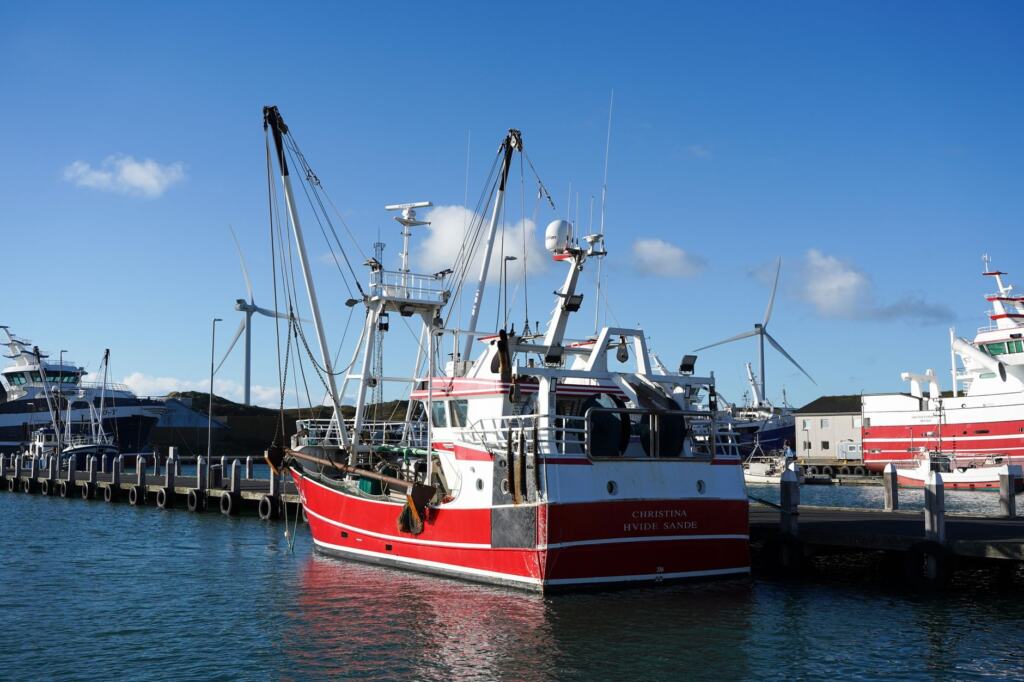
The island has no road access, so every visit starts with a boat booking. The sensible approach is to book directly with the day-trip operator and choose a date that you could move if the forecast turns. A fixed date matters less for a walking trip than for a trip built around one species, because the island walk is rewarding in most seasons.
What to settle before paying
- Pick the season first. Decide whether you are going for summer birds, autumn migrants or seals, using the timeline below.
- Ask about cancellations. Since the reserve describes the weather as changeable and sometimes turbulent, confirm the operator’s policy if a sailing cannot go.
- Ask about landing time. The hours you spend ashore decide how much of the island you can walk, so confirm them when you book.
- Pack for exposure. The island is a small exposed outpost, so wind and rain layers are a sensible choice for any season.
A walking timeline for the hours ashore
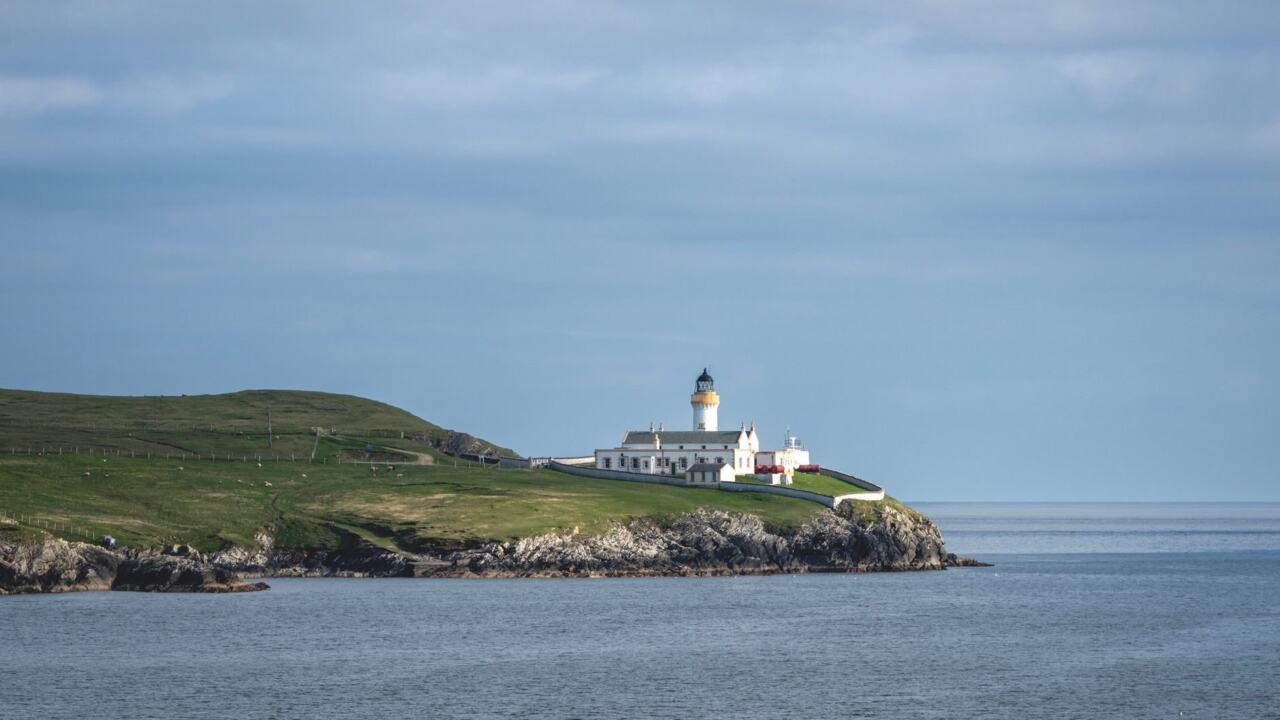
With a limited time ashore, plan the walk as stages rather than a route to complete. The island is small enough that a steady walk along the marked paths covers its main interest, and the old lighthouse buildings make a natural landmark to aim for.
Stages for the day
- Land and orient. Take the first minutes ashore to see where the marked paths lead before you set off.
- Walk to the far end first. Heading for the lighthouse area while energy is high leaves the return leg for stops.
- Stop where wildlife is. Let seals and birds set the pace rather than trying to cover every corner.
- Leave a buffer before the boat. Head back to the landing point with time in hand, because the boat will not wait on a wildlife sighting.
What to watch for by season
Mid-February to mid-October
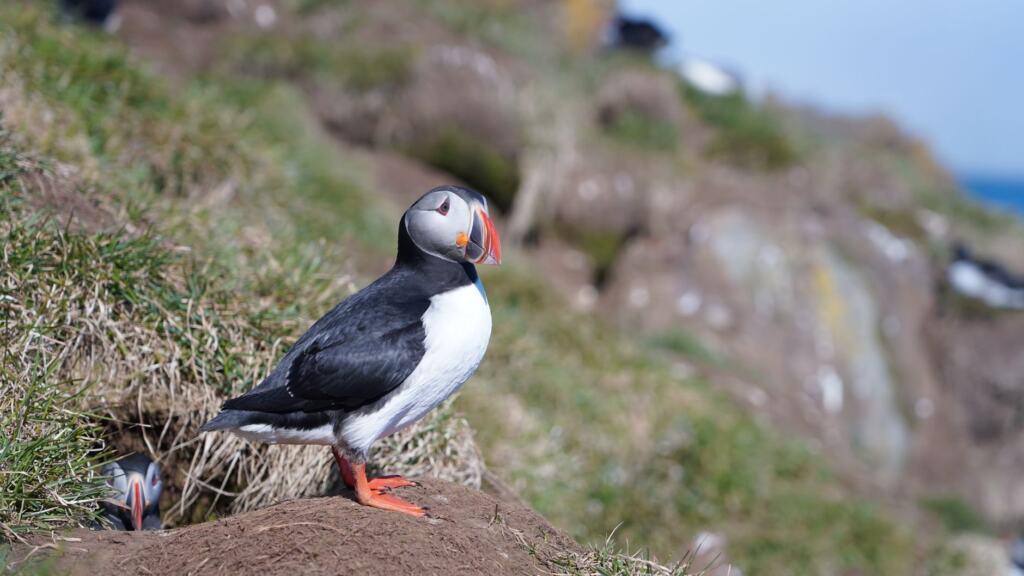
The reserve team notes that pied wagtails are on the island only from mid-February to mid-October, so this long window is the one in which the island’s summer birdlife is in residence. Seabirds such as puffins are the main draw for many visitors. For puffins, choose a sailing within the breeding season and check current timing with NatureScot or the operator before you pay, because puffin movements are not tied to a single date.
Autumn migration
Autumn turns the island into a migration stop. On 19 October 2026 the reserve’s counts included 2,207 Fieldfare and 1,277 Redwing heading west in flocks of varying size. Such numbers mean a walker does not need to know every species to enjoy the day: watch the skies and the bushes, and move slowly in sheltered spots where small birds gather.
Late autumn and winter
Short-eared owls do not arrive until late autumn, when birds come from Russia, Scandinavia and Iceland. After that the reserve describes the island as slowly winding down for winter, and the team leaves at the end of the migration season. A visitor planning a late-season trip should therefore confirm that boats are running before building a day around it.
Grey seals and when to go
Grey seals are a reliable reason to visit in autumn. In a post of 27 October 2026 the reserve reported that the early grey seal pups were doing well, safely tucked up while storms passed. That supports a simple answer to the timing question: for seals, plan an autumn trip, and for puffins, plan a trip in the seabird breeding season. A single visit rarely delivers both.
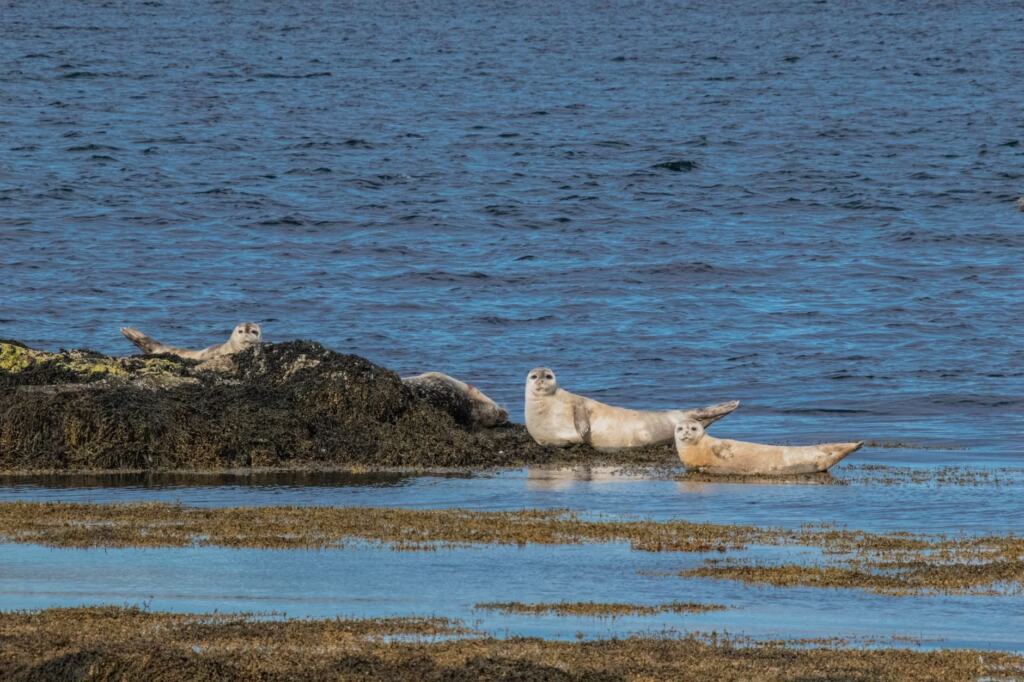
Seals reward patience more than distance. Find a viewing point, stand quietly and let animals settle rather than approaching, since pups and adults on shore are easily disturbed.
Staying on the path in breeding season
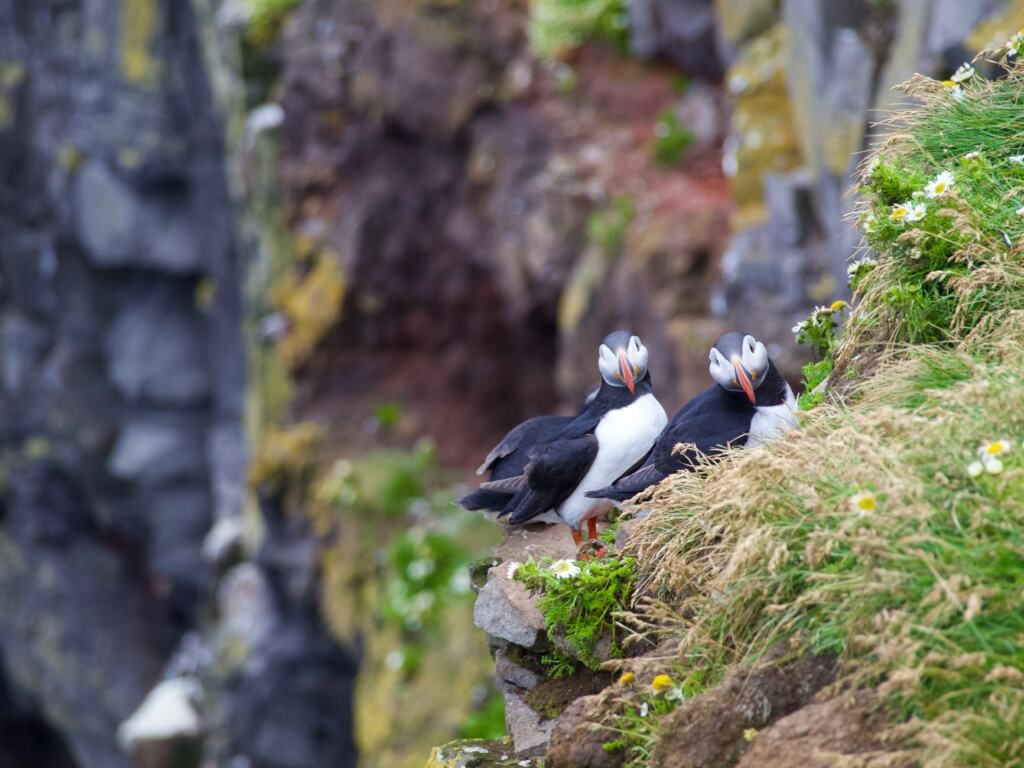
Path discipline matters most when birds nest beside the route. Seabirds can nest in grass at the edge of a path, where a single step off the line can reach a burrow or a nest. Keep to the marked paths and keep children and dogs close, if dogs are permitted on your sailing. For the general principles behind responsible access, see our overview of Scotland outdoor access rights.
Weather and cancelled landings
Yes, weather can stop a trip, and autumn makes that more likely. The reserve team writes that at this time of year the weather can be very interchangeable and turbulent at times, and Storm Austen and Storm Boelo both hit the island in October 2026. A boat trip to an island with no harbour services depends on sea conditions, so a sailing in rough weather may not go ahead.
Wildlife copes with short storms but will struggle if they persist, and shags are the example the reserve gives. That is a useful reminder that a rough-weather visit is not the best wildlife day either. If the forecast is poor, move your booking rather than sail anyway.
Troubleshooting common problems
- The sailing is cancelled. Ask the operator about rebooking or a refund, then pick another date with a calmer forecast.
- The birds seem quiet. Some species are present only in set windows, such as pied wagtails from mid-February to mid-October, so a visit outside a species’ window will miss it.
- You want more than one reserve. The island suits a single focused day, so pair it with other places using our guide to nature reserves in Fife.
- A winter trip is on your mind. The island winds down from late October, so check sailings before committing.
Frequently asked questions
Who runs the Isle of May?
NatureScot manages it as a National Nature Reserve, and the reserve team posts regular updates on the island’s blog.
Can I see short-eared owls on a summer visit?
No. They do not arrive until late autumn, when birds come in from Russia, Scandinavia and Iceland.
How long are pied wagtails on the island?
They are present only from mid-February to mid-October.
Is the island open all winter?
The reserve says the island slowly winds down for winter, and its team leaves when the migration season ends. Confirm winter sailings with the operator.