| Reader situation | Trail | Length and typical time | Start and end | Planning use |
|---|---|---|---|---|
| First long walk by train | John Muir Way | 134 miles, 7-10 days | Helensburgh to Dunbar | ScotRail stations at every stage, so a trip can be split into separate stages |
| Classic Highland week | West Highland Way | 96 miles, 5-7 days | Glasgow to Fort William | Well supported, with accommodation every 10-15 miles, but the busiest trail here |
| Shorter Highland trip | Great Glen Way | 79 miles, 3-4 days | Fort William to Inverness | Lower and shorter than the West Highland Way, and it can be added on to it |
| Short and quiet | Speyside Way | 66 miles, 3-4 days | Buckie to Aviemore | The shortest trail compared, with low crowds |
| Long, remote and demanding | Southern Upland Way | 214 miles, 12-16 days | Portpatrick to Cockburnspath | Highest point 725m and very low crowds, so a later challenge rather than a first trip |
Lengths, durations and end points come from the Outdoor Scot trail comparison, and the route count from the official Scotland’s Great Trails site.
Scotland’s Great Trails are 29 managed, clearly waymarked, largely off-road routes. For a first long walk from Fife, the Fife Coastal Path is the gentlest choice among those compared here.
The sections below group the trails by what you are trying to do. For the rules on where you can walk, see Scotland outdoor access rights on our Scotland outdoor access rights hub.
A first long walk from Fife
Two trails suit walkers who have done day walks and now want several days on foot. Both are low-level by the standards of the national set, but they differ in how you get home and where you sleep.
Fife Coastal Path
The Fife Coastal Path is one of Scotland’s Great Trails. It runs 117 miles from Kincardine to Newburgh and typically takes 7-9 days, according to the Outdoor Scot comparison. Its highest point is 100m, the lowest of any trail in that comparison, and total ascent is 1,500m.
That combination makes it the best-matched first long route for a Fife walker: you can stop often, and you do not have to commit to big mountain days. The same comparison calls it low-level with good accommodation and excellent seafood, and describes it as underrated. The limit is time. A week or more is still a real commitment, and 1,500m of ascent is more than the Speyside Way’s, so “low-level” does not mean flat.
John Muir Way
The John Muir Way covers 134 miles from Helensburgh to Dunbar and takes 7-10 days, per the same comparison. It is described as the most accessible trail in Scotland: low-level, well waymarked and served by ScotRail stations at every stage.
It suits walkers who want to do the trail in separate stages and return home by train each time. It is longer than the Fife Coastal Path, has more ascent and spaces its beds further apart, so choose it when rail access matters more than frequent accommodation.
Classic Highland routes
The two best-known Highland trails meet at Fort William. They are often discussed together, but they are very different commitments.
West Highland Way
The West Highland Way is 96 miles from Glasgow to Fort William and typically takes 5-7 days. The Outdoor Scot comparison gives a highest point of 550m, total ascent of 3,600m and accommodation every 10-15 miles. It is the most popular trail, at 36,000 completions per year, and is praised as well waymarked with dramatic scenery.
First-timers can use it successfully because the route and the beds are well organised, but it asks more of your legs than the Fife Coastal Path and you will share it with the most walkers. Pick it when scenery and a proven route matter more than quiet.
Great Glen Way
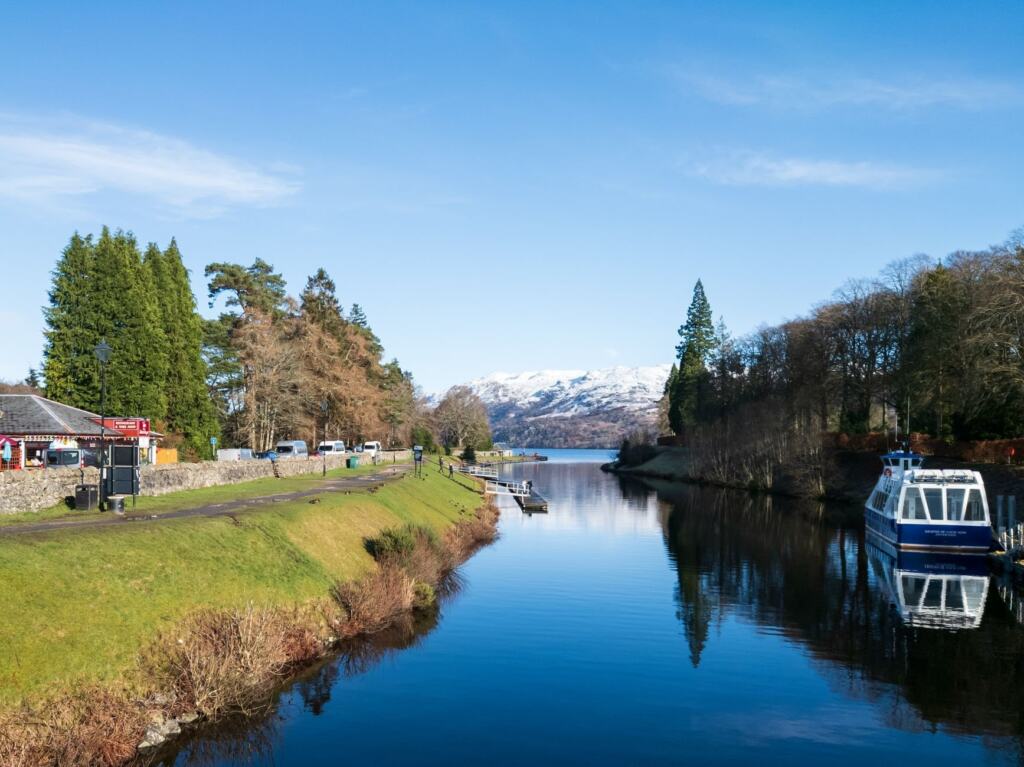
The Great Glen Way runs 79 miles from Fort William to Inverness in 3-4 days, with a highest point of 300m and total ascent of 1,800m. Accommodation is available every 10-15 miles and crowds are moderate, according to the comparison. It starts where the West Highland Way ends, as a walking guide to Scotland’s long-distance trails notes.
West Highland Way or Great Glen Way
The difference is mainly scale and commitment. Use these points to decide:
- Time available: the West Highland Way needs 5-7 days; the Great Glen Way fits into 3-4.
- Effort: the West Highland Way reaches 550m with 3,600m of ascent, while the Great Glen Way tops out at 300m with 1,800m of ascent.
- Company: the West Highland Way is far busier, while the Great Glen Way has moderate crowds.
- Doing both: because one begins where the other ends, the two can be combined into a two-week Glasgow-to-Inverness through-walk.
If you are choosing only one and want the shorter, easier route, take the Great Glen Way. If you want the classic, take the West Highland Way.
Shorter, quieter or tougher options
Speyside Way
The Speyside Way is 66 miles from Buckie to Aviemore and takes 3-4 days, with a highest point of 350m and total ascent of 1,200m, per the Outdoor Scot comparison. Accommodation comes every 10-15 miles and crowds are low. It is the shortest trail compared and the lowest in total ascent, so it suits a first multi-day trip that must fit into a long weekend.
Southern Upland Way
The Southern Upland Way is the long, remote option: 214 miles from Portpatrick to Cockburnspath in 12-16 days. The comparison reports about 1,500 completions per year against 36,000 on the West Highland Way, with very low crowds.
That solitude is the appeal, but it also means more ascent, longer gaps between beds and a bigger time commitment. Treat it as a second or third long trail after you know how you cope with multi-day walking.
How Great Trails work and how to plan
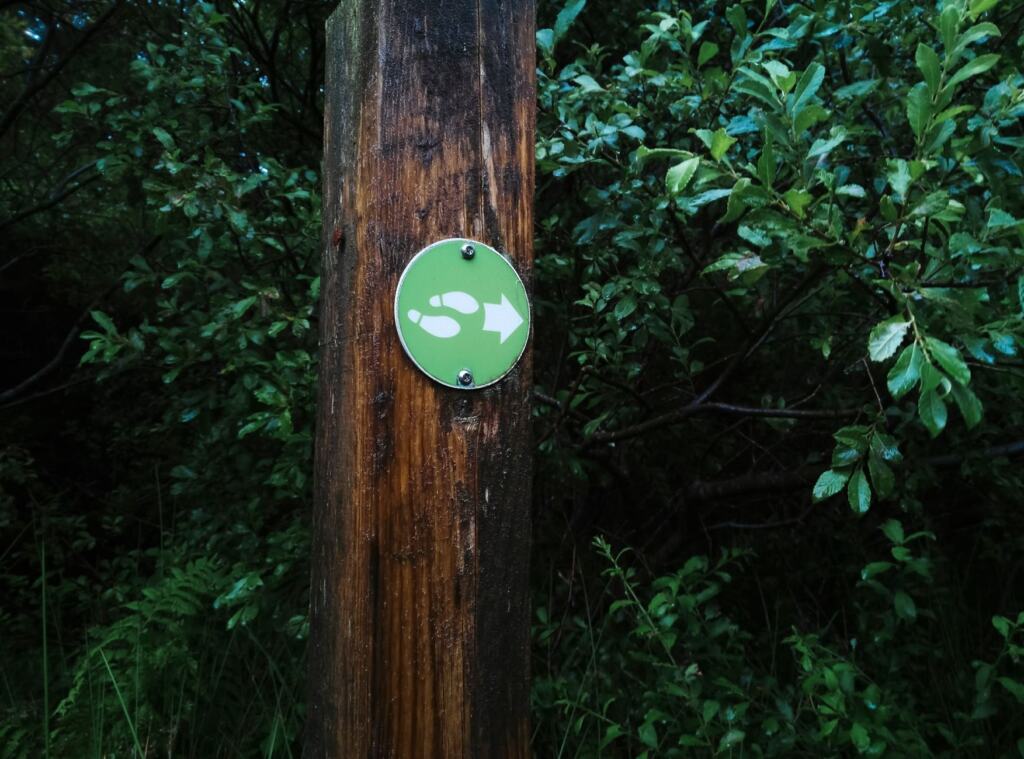
NatureScot maintains the official list of Scotland’s Great Trails and is the custodian of the brand. According to the official Great Trails site, the 29 routes together offer over 1900 miles (3000 km) of managed, clearly waymarked, largely off-road walking. That is why every trail in this guide can be followed from signs rather than from route-finding skills alone.
Use the spacing of accommodation to judge realistic daily distances, because the typical day counts are only a guide. Check your daily mileage against what is actually available before committing to dates.
If you would rather base a trip on protected landscapes than a single linear route, compare the national parks in scotland. Hillwalkers weighing a long trail against summit-bagging can also read what is a munro before deciding which kind of challenge appeals.
Frequently asked questions
| Question | Answer |
|---|---|
| How many Great Trails are there in Scotland? | There are 29 routes on the official list, which NatureScot maintains. |
| Is the Fife Coastal Path a Great Trail? | Yes. It is the Great Trail running through Fife, from Kincardine to Newburgh over 117 miles. |
| Which Great Trail is best for beginners? | For Fife walkers the Fife Coastal Path is the best fit, thanks to its low high point and frequent accommodation. The John Muir Way is the alternative if you want train access at every stage, and the West Highland Way is well waymarked but busy. |
| Can the West Highland Way and Great Glen Way be walked together? | Yes. The Great Glen Way starts where the West Highland Way ends, so the two can be combined into a two-week Glasgow-to-Inverness walk. |