Wildlife on Fife Coastal Path means seals, shoreline birds, gannets and, with luck, dolphins along a 117-mile route from Kincardine to Newburgh. Bring binoculars, keep your distance and treat each sighting as a bonus.
Walkers new to the route can read about Scotland outdoor access rights before setting out. The leave no trace scotland guide covers the habits that keep animals undisturbed along the shore.
Choosing where to look
The Fife Coastal Path is around 117 miles (188 km) long and, according to the Fife Coast and Countryside Trust, runs from Kincardine to Newburgh. Walker guides describe it as Scotland’s longest continuous coastal path, and a St Andrews accommodation guide divides it into 8 sections and notes that the route passes through natural landscapes home to a wide variety of wildlife. That is too much coast to watch evenly, so a few decisions matter more than the species list.
- Pick a stretch, not the whole path. Wildlife watching suits short, slow sections where stopping every few minutes does not wreck the day. A hurried end-to-end schedule leaves little time for scanning the water.
- Use public transport where you can. The Trust encourages walkers to use public transport where possible, which also lets you finish a stretch at a different point from where you started and avoid doubling back.
- Match the animal to the habitat. Rocks and seaweed suit resting seals, mud and shallows suit feeding birds, and open water and headlands suit gannets and dolphins.
- Treat offshore wildlife as the optional extra. Dolphins and diving seabirds are real possibilities, but shoreline wildlife is what you can plan around.
The entries below are not ranked. They move from wildlife the shore offers on almost any stretch to sightings that need luck or a detour.
Wildlife on the path, from shoreline to offshore
Seals on shoreline rocks
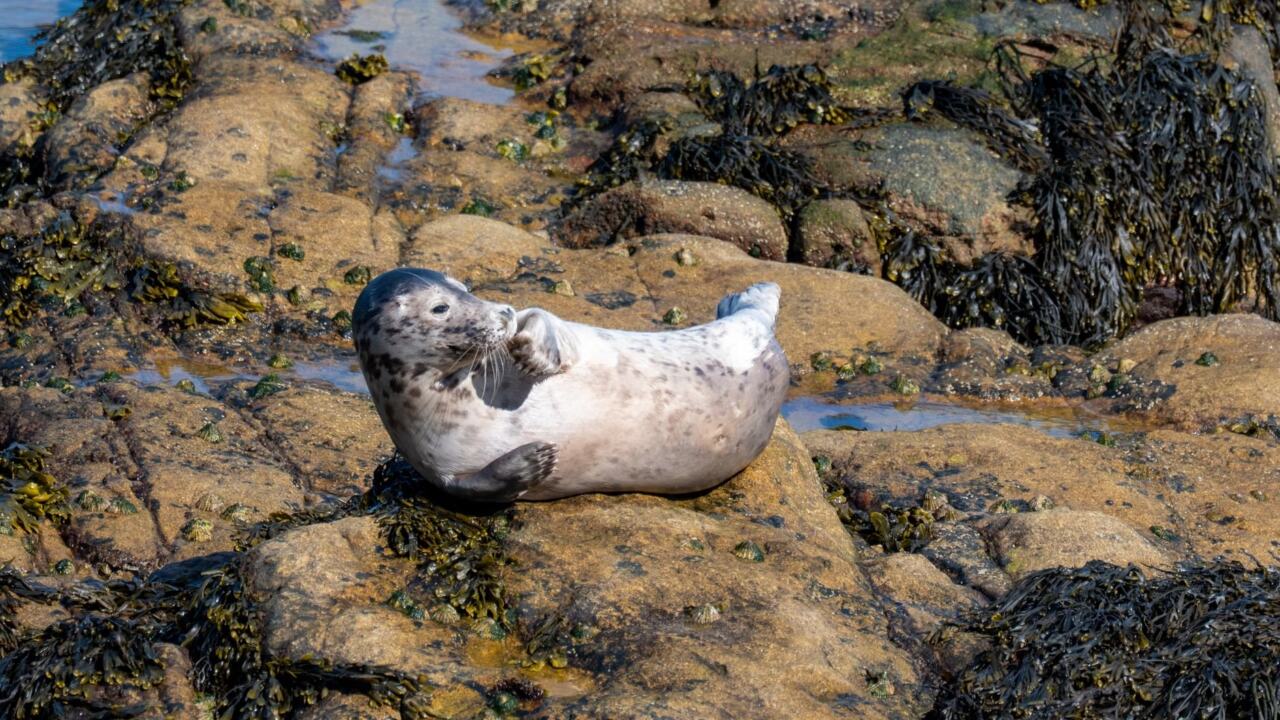
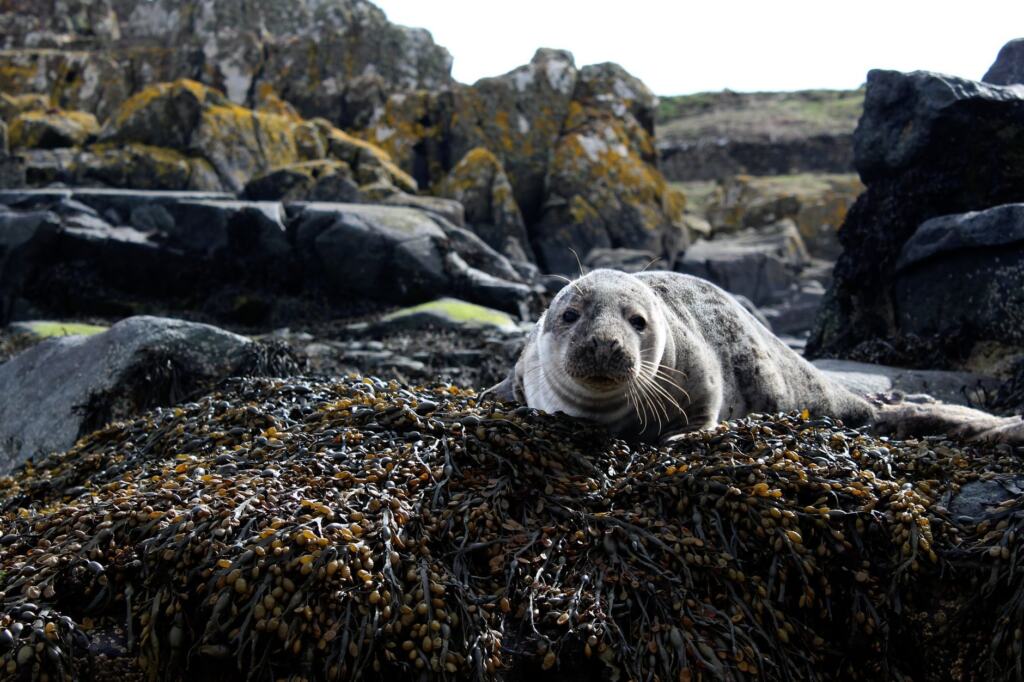
Seals are the animals most walkers hope to find resting on rocks at the water’s edge. They suit anyone who likes a calm, low-effort sighting, because a hauled-out seal does not need to be chased. Look along rocky points and weedy ledges rather than sandy beaches, and scan with binoculars before you walk closer. The limit is that a seal on a rock is only visible if you stay far enough back not to push it into the water. The section on distance below covers how to behave.
Waders and estuary birds
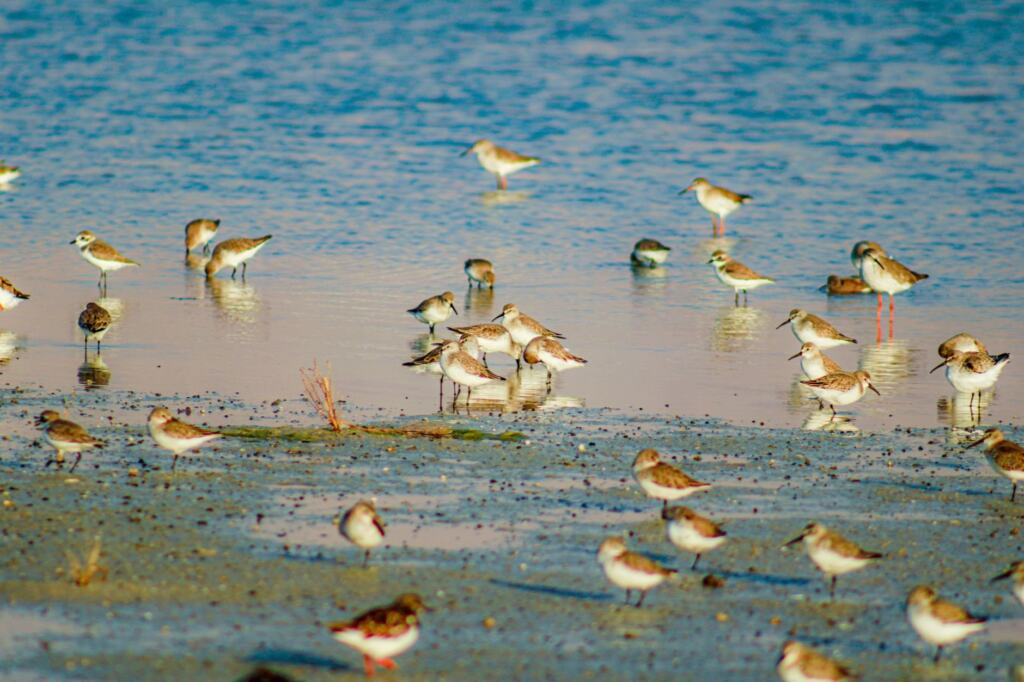
Mudflats and shallow shorelines are where flocks of small wading birds feed. This is the best entry for steady birdwatching along the Fife coast, because you can watch a flock for a long time from the path without moving. Birds feed as the water moves, so a stretch that looks empty on one visit can hold a full flock on the next. Patience and a pair of binoculars matter more than a field guide here.
Gannets and other seabirds offshore
One walker account of the route promises gannets diving from the skies as part of the experience of walking the path. Gannets are a good fit for walkers who do not mind scanning open water, since the show is out over the sea rather than at your feet. Headlands and high points of the path give the widest view. A scope is not essential, but binoculars make a diving bird far easier to follow than the naked eye does.
Dolphins from the headlands
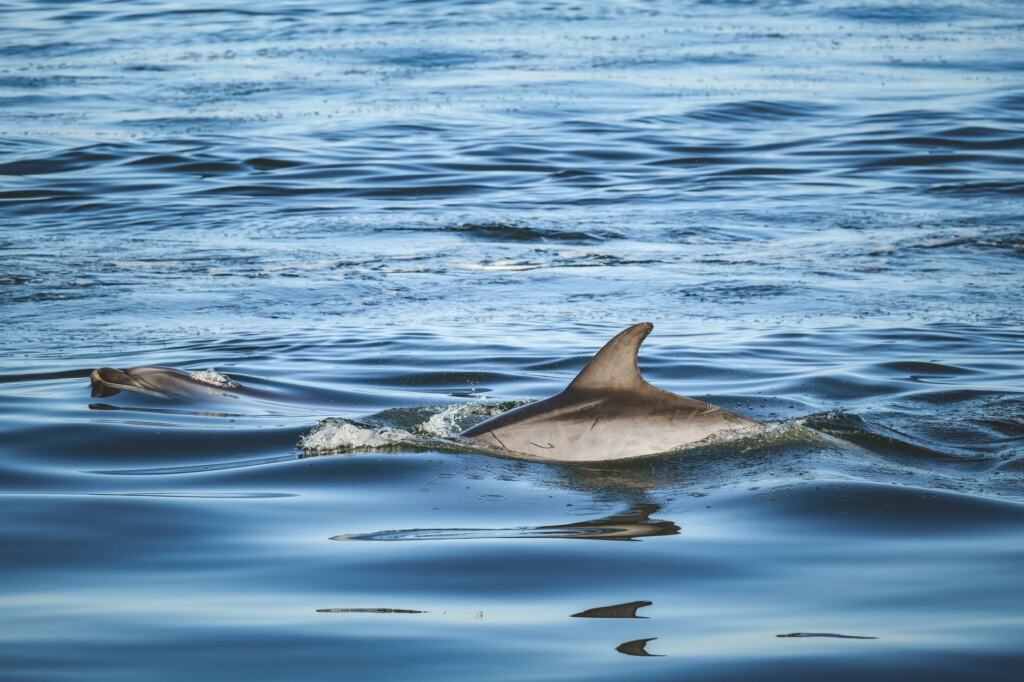
Dolphins are the long shot on this list. The same Wanderlust account describes dolphins leaping from the waves along the path, and the species walkers usually hope for in these waters is the bottlenose dolphin. That account does not tie sightings to a month, so no season can be promised. Plan the walk around something else and treat a dolphin as a reward for stopping at headlands and looking out over the water for a while.
Tentsmuir National Nature Reserve
Walker guides to the route list Tentsmuir National Nature Reserve among the path’s wildlife stops. It suits walkers who prefer a named, managed site to hoping for a chance sighting from the shore. Because it is a reserve, expect to follow its own signs and any local restrictions, and check them before you go.
Puffins and the Isle of May
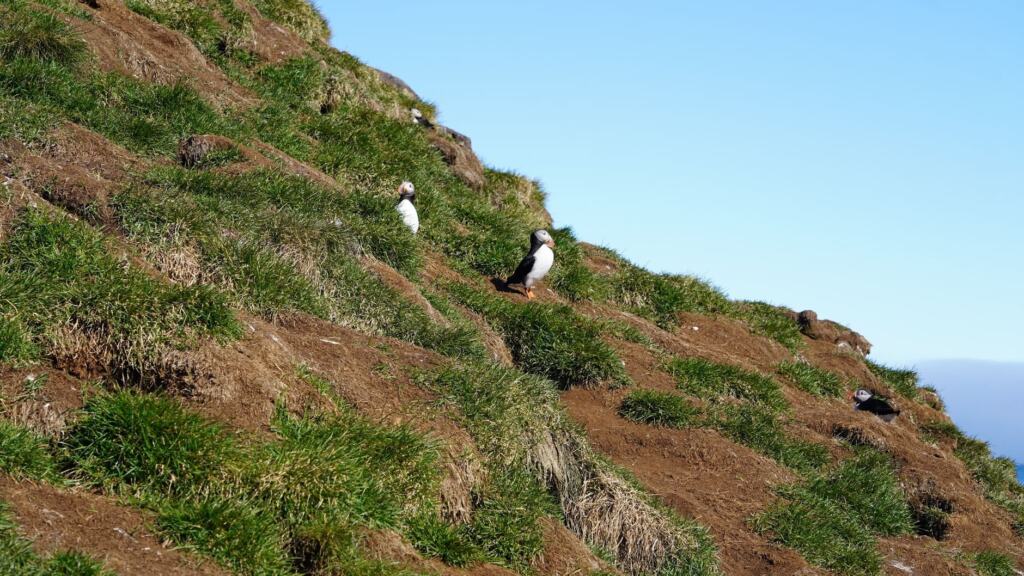
Puffins are not a roadside sighting. The place walkers go for them is offshore, and the Isle of May nature reserve guide covers that trip separately from the coastal path. Include it if puffins are the main reason for your visit, and use the mainland path for seals, waders and sea watching instead.
Planning wildlife time by stretch
The Trust names the route’s stretches in order from west to east: Kincardine to Limekilns, Limekilns to Burntisland, Burntisland to Buckhaven, Buckhaven to Elie, Elie to Cambo Sands, Cambo Sands to Leuchars, Leuchars to Wormit Bay and Wormit Bay to Newburgh. Published walking times exist for the first three, and they show how much room each leaves for stopping to watch.
| Stretch | Distance and time | Planning use |
|---|---|---|
| Kincardine to Limekilns | 11 miles / 4-5 hours | The shortest of the three, so the best fit for a day with long pauses to scan the water. |
| Limekilns to Burntisland | 17 miles / 6-7 hours | A long day. Wildlife stops will cost time, so consider splitting it using public transport. |
| Burntisland to Buckhaven | 14 miles / 4-5 hours | A middle option that leaves time for a longer seal or bird watch if you start early. |
Stretch names come from the Fife Coast and Countryside Trust, and the distances and times from a published walking guide.
Those times are for walking. A day that includes patient bird or sea watching needs extra margin, so favour the shorter stretches when wildlife is the goal.
How close to get to seals and nesting birds
The safest rule is to stay far enough away that the animal carries on exactly as it was. A seal that lifts its head, shuffles towards the water or stares at you has been disturbed, and a nesting bird that circles, calls or leaves the nest has been put at risk. Step back at the first sign, and take your photographs with zoom rather than with your feet.
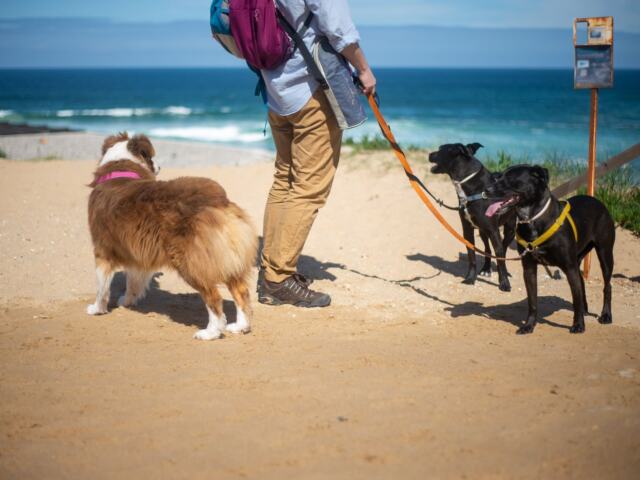
The Trust points walkers to its Outdoor Access page for important information on how to behave responsibly in the Fife countryside. The access and leave-no-trace guides linked above add the general principles, and they apply here with extra force: keep dogs under close control near the shore, do not approach resting animals, and never push for a closer view of a nest.
Frequently asked questions
Do I need to walk the whole path to see wildlife?
No. The route has 8 sections, and most can be reached by public transport, so a single stretch with time to stop and scan is enough for a wildlife outing.
Are puffins found on the path itself?
Puffins belong to the offshore Isle of May rather than the mainland route, so use the Isle of May guide for them and the path for shoreline wildlife.
Where can I find the official rules for behaving responsibly?
The Fife Coast and Countryside Trust directs walkers to its Outdoor Access page for how to behave responsibly in the Fife countryside, which sits alongside the site’s guidance on access rights.