
| Phase | Habit | Planning use |
|---|---|---|
| Before you go | Carry a bag for all litter and repackage food to reduce waste | Pack the bag with your food so rubbish never has to be left behind |
| On the path | Leave gates as you find them (open or closed) and keep a safe distance from farm animals | Expect fields and stock on lower routes and treat every gate as someone’s working boundary |
| At a rest stop | Take home all litter and leftover food, including tea bags and fruit peels | Plan for everything you open to come home with you |
| Toileting outdoors | Dig a hole 15-20 cm deep, at least 30 m from water, campsites and tracks | Choose the spot before you need it and use a public toilet where there is one |
| Camping | Pitch on durable ground at least 30 m from lakes and streams | Settle ground and distance before the tent comes out of the bag |
| Fires | Use established fire rings, barbecues or a mound fire, and keep fires small | Choose a stove over a fire when no established site is available |
These habits come from Wilderness Scotland’s Leave No Trace page and the Leave No Trace article on wilderness.org.
Leave No Trace Scotland is a simple habit: leave the wild places you visit the way you would like to find them. Carry out all litter and leftover food, bag dog waste, stay on durable ground and respect farm animals and other walkers.
For the wider picture of where you can walk and camp, see our guide to Scotland outdoor access rights. This page covers how to behave once you are out there, from the car park to the campsite.
The seven principles
The Leave No Trace principles are seven short rules that cover a whole day outdoors, from packing to fire. Wilderness Scotland lists them in this order:
- Plan ahead and prepare. Decide what you will carry and what will come home with you.
- Be considerate of others. Respect other visitors and protect the quality of their experience.
- Respect farm animals and wildlife. Keep your distance and keep dogs under control.
- Travel and camp on durable ground. Stick to established tracks and sites, rock, gravel, dry grasses or snow.
- Leave what you find. The next walker should meet the place as you did.
- Dispose of waste properly. Litter, food scraps, dog waste and human waste all belong here.
- Minimise the effects of fire. Use established fire rings or a mound fire and keep fires small.
The rest of this guide follows a day out in the order you meet each habit, starting at the car.
Before you set out
Most litter problems are packing problems. If a bag for rubbish is already in your rucksack, leaving something behind becomes the harder choice.
- Put a dedicated litter bag in your pack, large enough for wrappers, peel and used tissues.
- Repackage food before you leave home, because the advice is to repackage food to reduce waste and always pack out trash.
- Pack a spare bag for dog waste if you walk with a dog.
- Decide where you will stop to eat, so you are not choosing a spot on a fragile verge at the last minute.
On the path
Staying on an established track is the simplest way to reduce your impact. Wilderness Scotland counts established tracks as durable ground, so a worn path is a better choice than a fresh line beside it.
The habits are the same on hills, and if you are still working out what is a munro, our explainer is a good place to start before you plan a bigger day.
Livestock, gates and other walkers
Behave around livestock and other walkers by keeping your distance, leaving gates as you found them and giving way courteously. These habits are what the principle of being considerate of others looks like in practice.
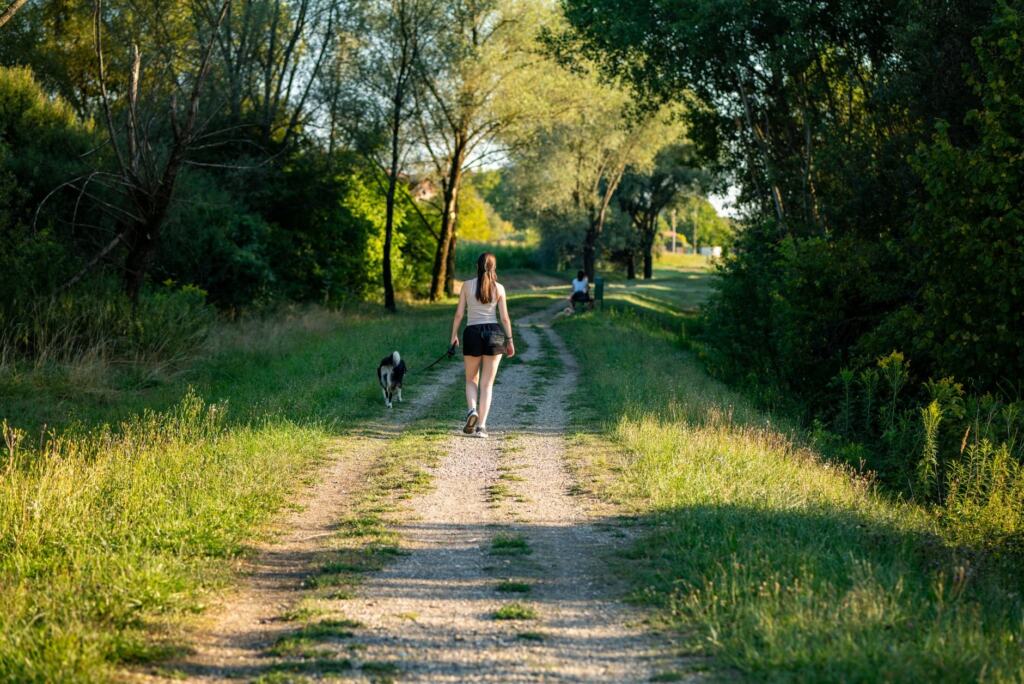
- Livestock. Farm animals are not pets, so remain at a safe distance. Keep a dog under control so it does not harass or scare animals or wildlife.
- Gates. Leave gates as you find them, open or closed. A gate left open can undo a farmer’s work, and one you closed that was meant to be open can be just as awkward.
- Other walkers. Be quiet and let others coming up the trail pass by. Quiet walking helps you respect other visitors and protect the quality of their experience.
Rest stops: litter, food and toileting
No, you should not leave food waste on a hill. Take home all litter and leftover food, including tea bags, fruit peels and other biodegradable foods. A peel looks harmless, but it is still rubbish that the next walker has to look at.
The rule of thumb is pack it in, pack it out. Anything you can carry full, you can carry empty, which is why a bag at the bottom of the rucksack is enough.
Toileting outdoors
Use a public toilet whenever there is one near your route. Where there is none, Wilderness Scotland advises you to dig a hole 15-20 cm deep and at least 30 m from water, campsites and tracks. Work out the direction of the nearest stream before you choose a spot, because the distance is measured from water as well as from paths.
Dog waste
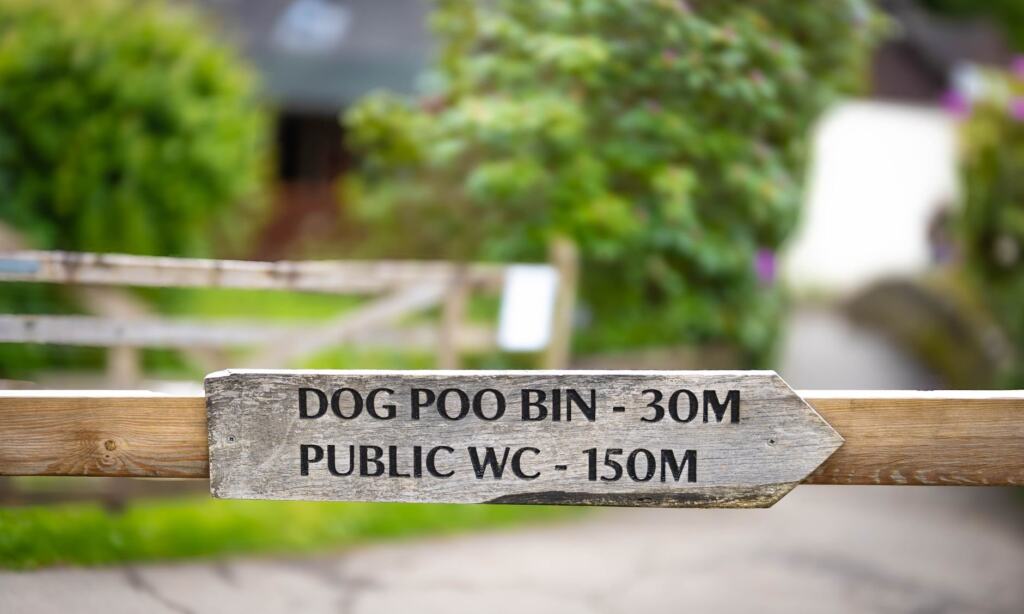
Treat dog waste as waste to be disposed of properly: bag it and carry it to a bin or take it home. A full bag left on a verge or hung on a fence is still litter, so the litter rule applies to it as well.
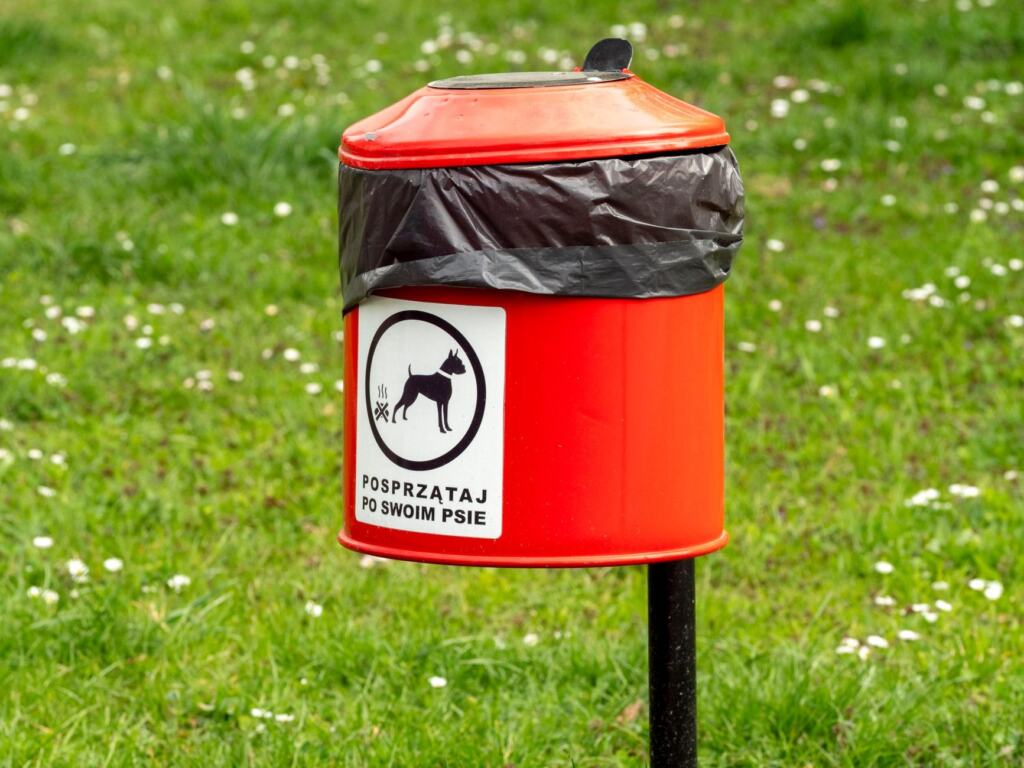
Dog control matters for the same reason. The guidance is to control pets so that they do not harass or scare wildlife, which also helps around farm animals and other walkers.
Wild camping and fires
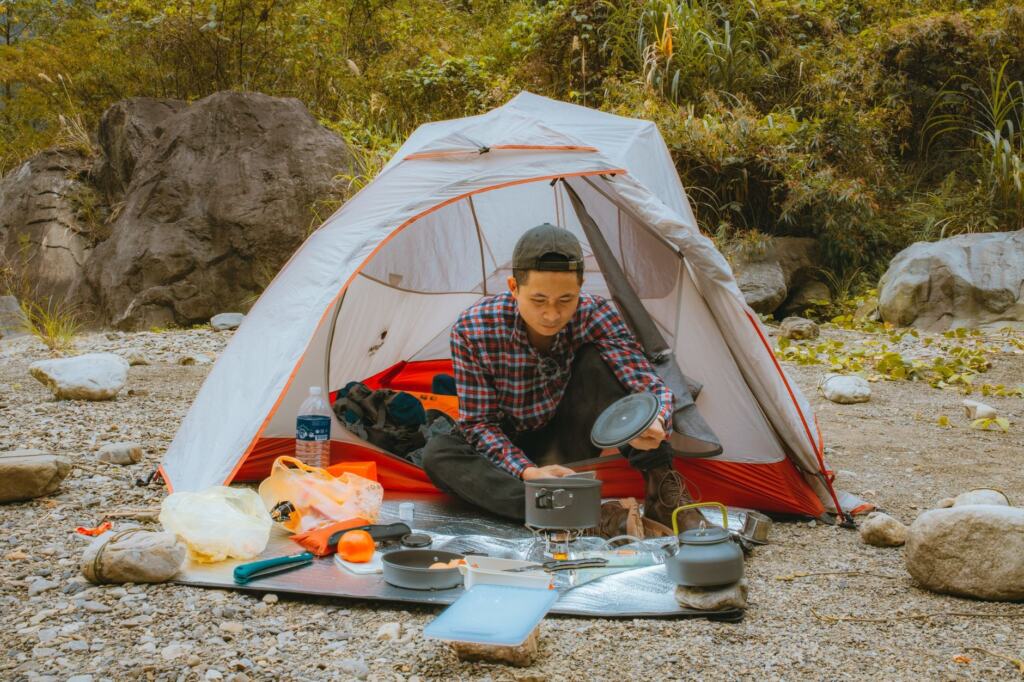
Low-impact wild camping comes down to choosing the ground, the distance and the fire. Wilderness Scotland’s advice is to camp on durable ground and protect water quality by camping at least 30 m from lakes and streams.
- Look for durable ground: established campsites, rock, gravel, dry grasses or snow.
- Measure your distance from water before you unpack, and keep the campsite small.
- Cook on a stove where you can. If you do light a fire, use an established fire ring or barbecue or make a mound fire, and keep it small.
- Take all rubbish and leftover food with you, then check the pitch before you leave.
What the access code adds
Leave No Trace and the access code point the same way. Scottish outdoor guides note that the access code promotes very similar guidelines to those of Leave No Trace, with a Scottish perspective. Wilderness Scotland also ties its own Leave No Trace commitment to the code.
In practice that means the habits above double as your responsibilities on Scottish land: respect other visitors, look after farm animals and wildlife, and leave no rubbish. Our guide to the scottish outdoor access code sets out the code itself in more detail.
If something goes wrong
- The bin is full. Carry your rubbish out in your own bag rather than leaving it beside the bin.
- You are caught short with no toilet. Move away from water, campsites and tracks before you dig, and take your used paper out with you.
- You are unsure which ground to use. Choose established tracks and sites over untouched grass, since that is what durable ground means.
Frequently asked questions
Do the Leave No Trace principles only apply to wild camping?
No. They cover planning, other visitors, animals, ground, waste and fire, so a day walker eating lunch or walking a dog follows the same seven principles as someone carrying a tent.
Is there evidence that Leave No Trace training works?
Leave No Trace’s own site states that people trained in Leave No Trace are 5x more inclined to protect nature. That figure comes from the organisation’s own research.
Why do some guides give a different camping distance from water?
Scottish guidance advises at least 30 m from lakes and streams, as Wilderness Scotland explains. US guidance, summarised on wilderness.org, says at least 200 feet (about 61 m). The longer distance is the more cautious choice if you are unsure.