Heard a friend talk about bagging Munros and wondered what is a Munro? It is any Scottish mountain over 3,000ft (914m), and that height line is the core of the definition.
Most confusion comes from what people add to that line: difficulty, fame or a fixed idea of what a “big” hill looks like. The sections below clear up those misunderstandings, set Munros beside Corbetts and Grahams, and show where Fife’s Lomond Hills fit. Before you head for any summit, read up on Scotland outdoor access rights in our wider Scotland outdoors collection.
The Munro definition and what it leaves out
A Munro is a mountain in Scotland with a height over 3,000ft (914m). The National Trust for Scotland describes Munros as the tallest mountains in Scotland, all with a height of over 914m (3,000ft). The definition is a single measurement. It says nothing about how steep a route is, how long the walk takes or how exposed the summit feels.
That narrowness explains why the label is so often misread. The table below sets the common assumptions against what the definition and the supported figures say.
| Common assumption | What the definition says | Planning use |
|---|---|---|
| A Munro is a hard climb by definition | The test is height only: over 3,000ft (914m) | Judge each hill by its own route and conditions, not by the Munro label. |
| Every Munro is a towering peak | Ben Lomond is 974m (3,193ft); Ben Lawers is 1,214m | Heights above the threshold vary a lot, so a hill nearer the line can make a gentler first Munro. |
| Height is the only thing that matters | A guide to the Munros notes the distinction lies in topographical prominence | Check a hill against the published tables rather than trusting a map height alone. |
Heights and the Ben Lomond and Ben Lawers figures come from the National Trust for Scotland, and the point about prominence from a Munro guide on Mapelio.
Guidebooks and maps often quote feet and metres together, so expect 3,000ft and 914m to appear side by side. Treat them as the same line expressed in two units, not as two different thresholds. Once you hold that line steady, the other hill lists become easier to place.
Munros, Corbetts and Grahams compared
The difference between a Munro and a Corbett is height: Munros stand over 3,000ft (914m), while Corbetts belong to the next list down. Grahams form a lower list again. Each list has its own threshold in the published hill tables, and those thresholds differ from the Munro line, so confirm the current figures before you log a hill. Quoting a Corbett or Graham limit from memory is an easy way to mislabel a walk.
Height and prominence
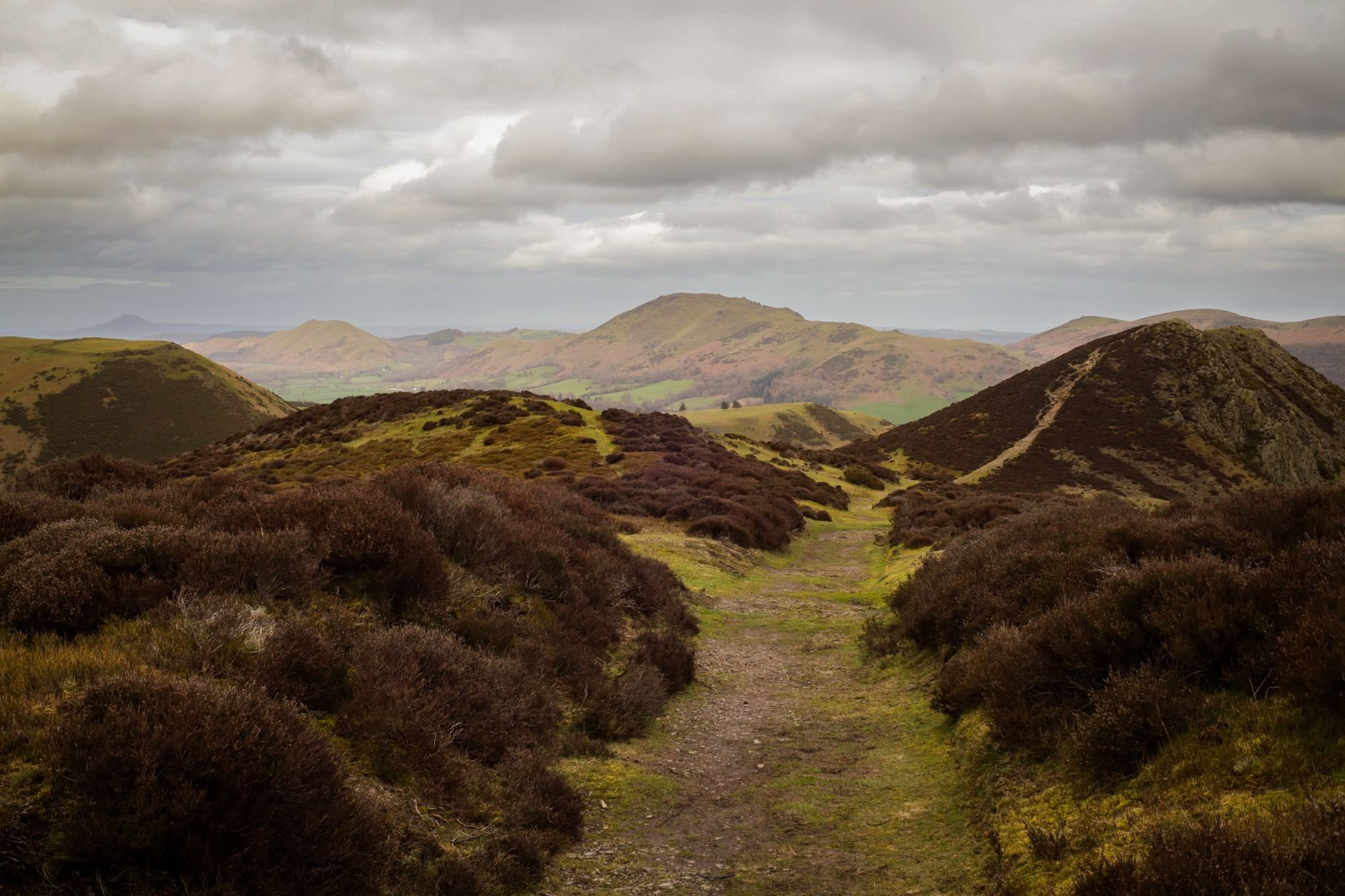
Height decides which list a hill might belong to. Prominence helps explain why neighbouring summits are treated differently. Prominence describes how far a summit rises above the surrounding high ground, and a guide to the Munros notes that the distinction lies in topographical prominence rather than height alone.
The practical lesson is simple. A summit that looks tall enough on a map is not automatically a listed hill, and a hill that sits just above the line is not automatically a minor one. Check the published tables whenever you are unsure.
Where Fife’s Lomond Hills fit
Fife’s Lomond Hills are not Munros, and they sit outside the Munro list altogether. That does not make them a lesser walk. They are a local range where Fife walkers can practise reading a map, pacing an ascent and judging weather before travelling north.

Think of them as part of the same hill-walking world rather than as a rung on a list. If you prefer to follow a waymarked line across the country instead of collecting summits, scotland’s great trails offer the other main style of long walking in Scotland.
Choosing an easier Munro
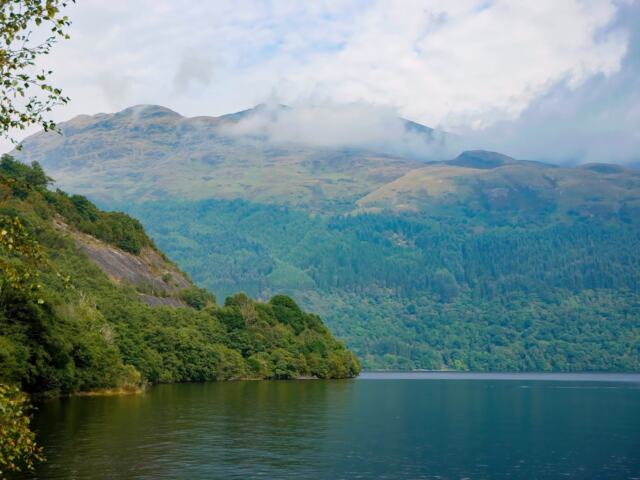
Ben Lomond is the clearest example to start from. The National Trust for Scotland describes it as rising from the east shore of Loch Lomond to a height of 974m (3,193ft), and it is Scotland’s most southerly Munro. Its summit sits closer to the 914m threshold than Ben Lawers at 1,214m, An Stuc at 1,118m or Spidean a’Choire Leith on Liathach at 1,054m.
“Easier” is a judgement, not a listed category, and summit height is only one clue. A lower summit does not guarantee a shorter or gentler day, because the ascent depends on where the path starts and what the ground is like. Use these checks before you commit:
- Summit height against the threshold. A hill closer to 914m has less height to its name, which suits a first Munro better than one far above the line.
- Route length and ascent. Measure both on an Ordnance Survey map for the route you plan, because they decide the day more than the summit figure does.
- Terrain underfoot. Path, rock and bog change the effort required, so look at the ground as well as the contour lines.
- Weather and daylight. Choose a settled day and leave generous time, since a good hill in poor conditions is still a hard day.
A sensible route into the list is to build up on local hills such as the Lomonds, then try a Munro with a modest summit height and a clear path. Wait for a better day rather than push on if the forecast is poor.
Keeping track of hills and treating them well
You do not need special equipment to log hills. A notebook or a printed checklist is enough, and you can record the date, the hill and the conditions on the day. Keeping your own record also helps you compare how different hills felt, which is more useful than counting alone.

Whatever list you follow, the same habits apply on every summit, from a Fife hill to a high Munro. Pack out what you carry in, keep to existing paths and respect the ground you cross. Our leave no trace scotland guide sets out those habits in more detail.
Frequently asked questions
| Question | Answer |
|---|---|
| How many Munros are there? | The total depends on the current edition of the published Munro Tables, so quote it from the latest tables rather than from an older guidebook or from memory. |
| Are Fife’s Lomond Hills Munros? | No. The Lomond Hills are a local range outside the Munro list, and they work well as a place to build hill skills. |
| Why do some sources say 914m and others 914.4 m? | Both describe the same 3,000ft line. The figure 914.4 m is the exact metric conversion, and 914m is the rounded form most guides use. |
| Does a hill need to be famous to be a Munro? | No. The definition rests on height, with prominence also mattering, so a hill qualifies by its measurements and not by its reputation. |