Quick answer: the wild camping Scotland rules allow responsible camping on most unenclosed land under the Land Reform (Scotland) Act 2003. Loch Lomond and The Trossachs National Park is the clearest exception, where camping is limited to campsites or a camping permit.
This guide places the legal basis beside the national park permit zones, so you can choose a first trip with fewer surprises. It sits within our wider look at Scotland outdoor access rights.
The legal basis for wild camping
Wild camping is legal in Scotland, but only if it is done responsibly. The Land Reform (Scotland) Act 2003 gives a right of responsible access to most land and inland water, and in practice that covers camping on most unenclosed land, as this wild camping overview also explains.
The Scottish Outdoor Access Code is the guidance on how to use that right properly. It is not a separate permission. It sets out what “responsible” means in practice, and the fire and clean-up points later in this guide come from that guidance.
The word “responsible” does the heavy lifting. The right is conditional, so your choice of pitch, your fire and your rubbish all decide whether you are inside it. It helps to split the question in two. First, is the ground covered by the access right? Second, are you behaving as the guidance expects while you are there? A pitch can pass the first test and still fail the second, for example if you light an open fire on peaty ground or leave litter behind.
Where you can and cannot camp
The simplest test is whether the land is unenclosed. Open hill and moorland are the usual picture of unenclosed ground, while cultivated fields and enclosed spaces are not. The national park has its own permit system, so it needs a separate check whatever the ground looks like.
| Type of land | What applies | Planning use |
|---|---|---|
| Unenclosed land | Camping is covered by the access right when done responsibly | Your default choice for a first trip; look for open ground away from buildings |
| Cultivated fields and enclosed spaces | Off-limits for wild camping | Rule these out when scanning a map, even if a field looks empty |
| Loch Lomond and The Trossachs National Park | Camping only on campsites or with a camping permit, under bylaws | Book a campsite or secure a permit before travelling, not on arrival |
These points draw on Skyhook Adventure’s wild camping guide and Scottish Tourer’s update.
Read the table as a sequence rather than a menu. Start by checking whether the land is inside the national park, because the bylaws settle that case before the ground does. If it is outside the park, check whether the land is unenclosed. Only then does the access right become the question. Fenced or farmed ground is the usual trap for newcomers, so if your intended pitch is anywhere that is not clearly unenclosed, do not rely on the access right and choose a different pitch.
Loch Lomond camping management zones
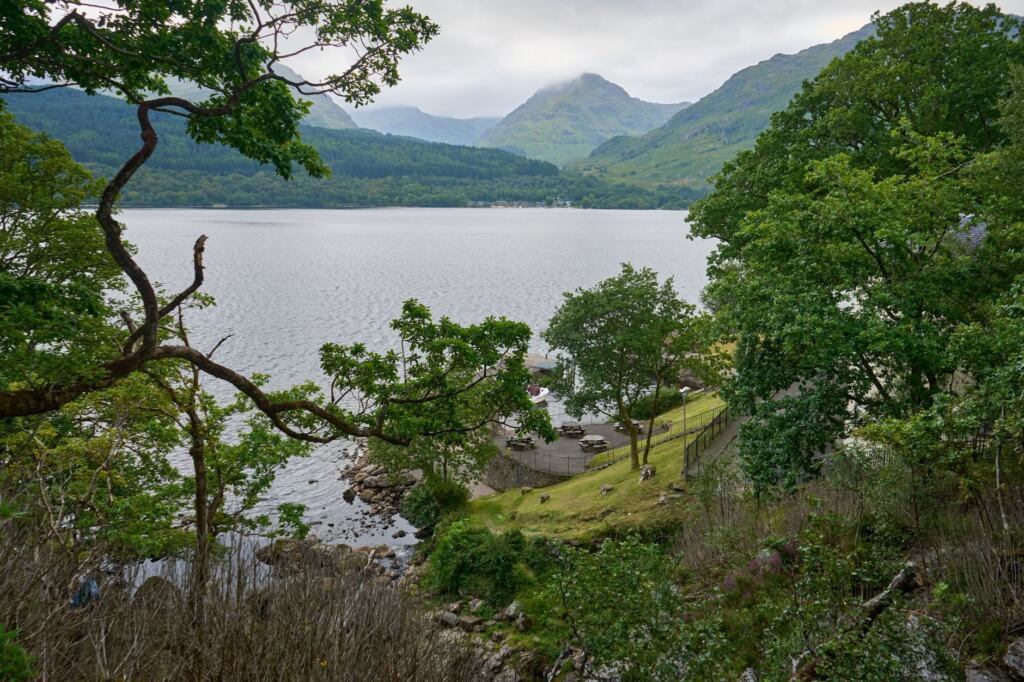
In Loch Lomond and The Trossachs National Park, camping is subject to bylaws and is allowed only on campsites or with a camping permit. Within that framework, the bylaws limit camping in certain areas to permit holders during the peak summer months. Those areas are where a plan can fail without warning, so confirm which area a planned pitch falls in before you commit to it.
A beginner’s guide describes camping in the park as allowed only in designated spots and during certain months. That summary is less formal than the bylaws themselves, so treat the bylaws as the controlling rules and the guide as a rough picture of what to expect.
What this means for your plan
- Do not assume the shore is open. A loch being public water does not make every bank a legal pitch inside a managed area.
- Treat peak summer as the tightest period. Permit-only rules in certain areas apply during the peak summer months, so a trip in those months needs the most advance planning.
- Check the park authority’s current permit information for zone boundaries and booking details before you set a date, since the bylaws define the exact areas.
Fires and stoves
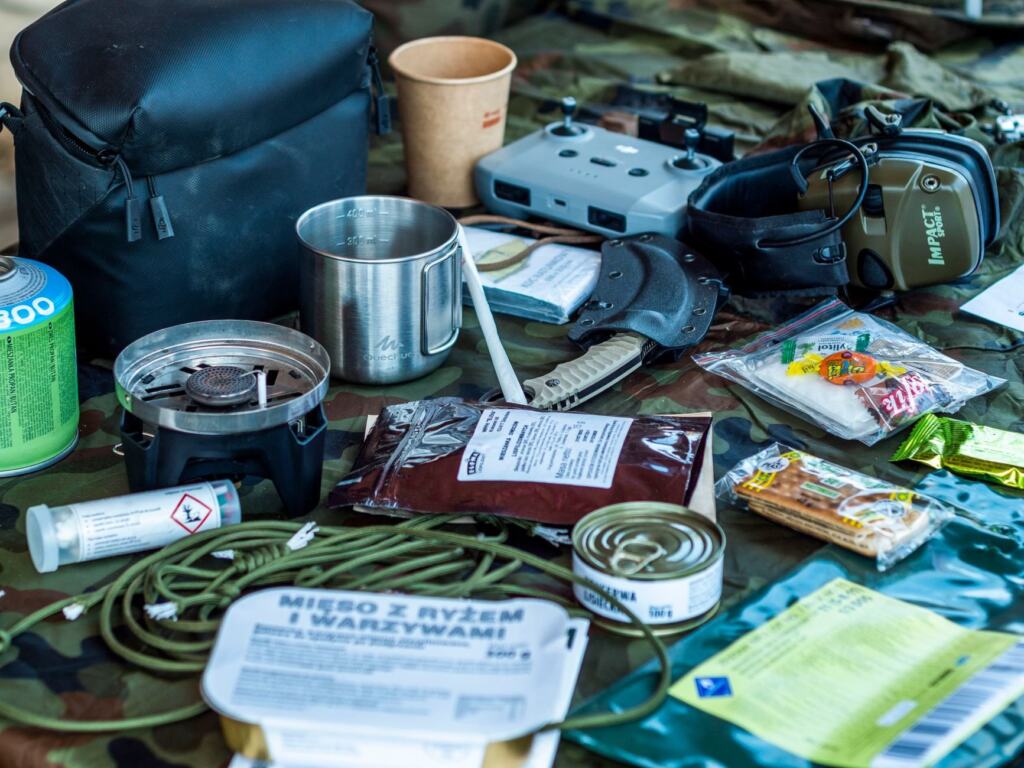
Use a stove, not a fire. Mountaineering Scotland quotes the access code’s view that camping stoves cook food quickly, efficiently and cleanly and are to be preferred to campfires. Choosing a stove at the planning stage also means you do not have to judge on the hill whether a fire site is suitable.
The code’s wording also sets firm limits on open fires. Never light one during prolonged dry periods, and never near woods, farmland or peaty ground. Other guidance calls the prohibition of open fires one of the fundamental rules of wild camping, so a fire is the riskiest habit to bring with you.
When a fire is ruled out
- Prolonged dry periods. Do not light an open fire at all. The code names this as a time never to light one.
- Woods, farmland and peaty ground. Never light an open fire near these. Check the ground around the pitch as well as the pitch itself.
The practical rule is simple. If you are unsure whether the ground, the weather or the surroundings make a fire acceptable, the stove answers the question. Pack it, fuel it and plan your meals around it.
Leave no trace
Leave no trace describes the clean-up standard that the access guidance expects at every pitch. The rule is short: take your rubbish home and leave the site as if you had never been there.
In practice, that means taking back whatever you bring with you, including packaging and any leftover food. Pack the rubbish out with the rest of your kit rather than leaving it for later, and check the pitch before you walk away. Treat the ground as a shared space and leave it as you would want to find it.
Choosing a first trip from Fife
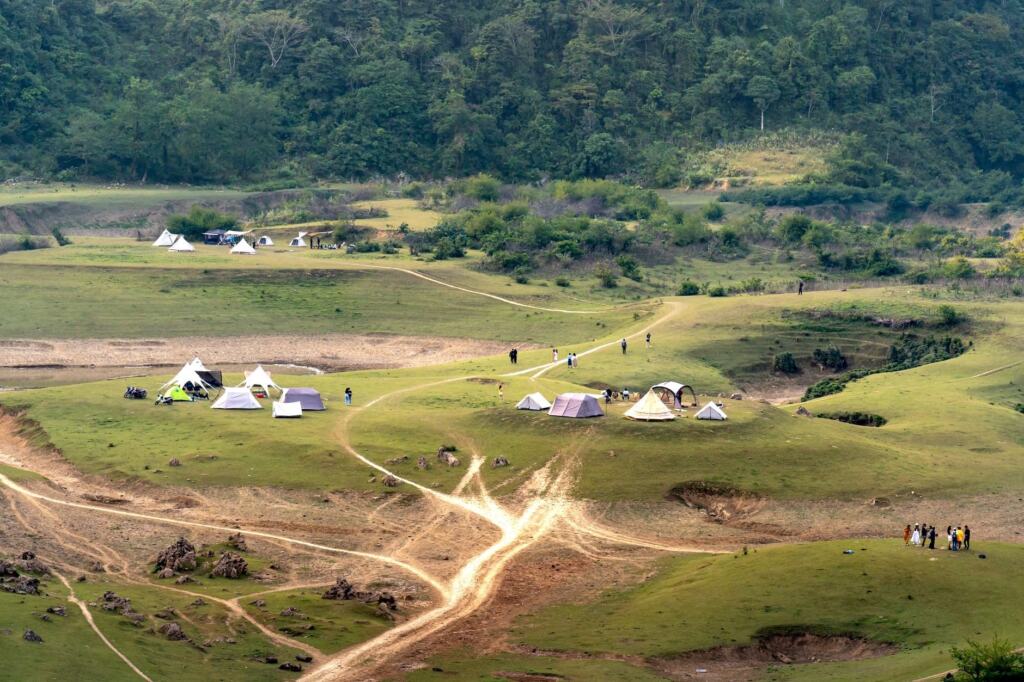
A first trip is easiest when you choose ground that needs no permit. Pick unenclosed land outside the national park zones, keep the kit light and carry a stove. That keeps you inside the access right with the fewest checks.
- If you want the simplest legal footing: choose unenclosed hill or moor outside the national park, and stay a night or two.
- If Loch Lomond is the draw: book a campsite or a camping permit first, and expect permit-only rules in certain areas during peak summer.
- If your route crosses farmland: plan your pitch beyond it, and read our guide to walking through fields with cattle scotland before you set out.
- If you are heading high: weather and navigation matter as much as the rules, so read about hill walking safety scotland beforehand.
Troubleshooting common problems
- The land might be enclosed. Pitch elsewhere. Cultivated fields and enclosed spaces are not open to wild camping.
- It has been dry for days. Skip the open fire entirely and cook on your stove. Prolonged dry periods are named in the guidance as a time never to light one.
- You planned a lochside pitch in the national park. Switch to a campsite or confirm you hold a permit, since managed areas allow only those options.
- Your pitch looks worn after a night. Move on rather than extend your stay.
Frequently asked questions
Can I wild camp at the roadside?
Yes. Roadside camping is still lawful when done responsibly and considerately, and the Scottish Outdoor Access Code camping guidance still applies to it.
How many nights can I stay in one place?
Guidance suggests no more than three nights in a single spot. Treat that as a ceiling, not a target, and move on sooner if the ground shows wear.
Do I need landowner permission?
Land outside the unenclosed category needs the landowner’s permission before you pitch there. Unenclosed land falls under the access right when you camp responsibly.