Quick answer: for winter hill walking Scotland calls for a forecast check, winter skills and a route planned inside the daylight. Treat it as a different activity from summer walking, not a colder version of it.
The decisions below run in order: how serious the day is, which forecasts to read, what kit and training to build up, and how to plan around short days. Background on responsible hill access, including Scotland outdoor access rights, sits in the wider Scotland outdoors section.
Winter hill walking or mountaineering?
The line between the two is a matter of judgement rather than a fixed rule, and winter pushes many walks towards the serious end. Mountaineering Scotland states plainly that climbing and mountaineering are activities with a danger of personal injury or death. A snow-covered hill does not turn a walk into a climb, but it does bring in some of the same risks.
Self-reliance is described by Abacus Mountain Guides as a fundamental principle of mountaineering. For a winter walker, that means the plan, the navigation and the decision to turn back all belong to the party, not to a path or a waymark that was easy to follow in July.
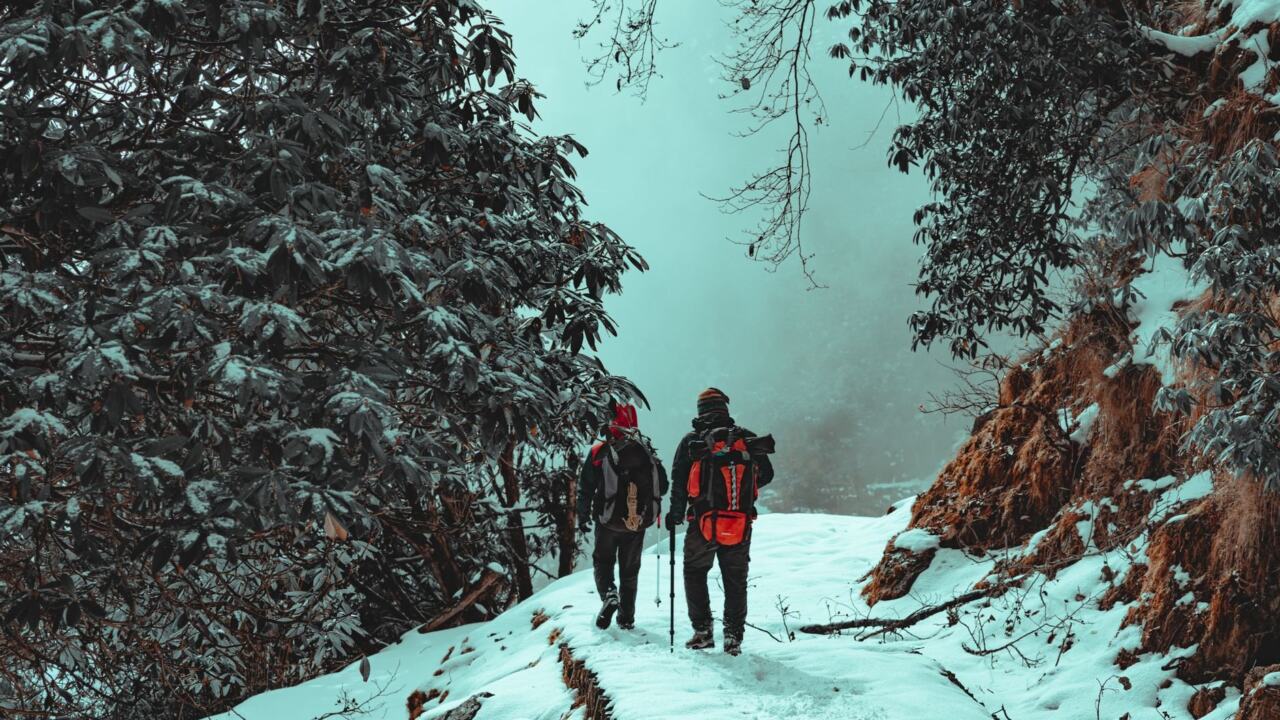
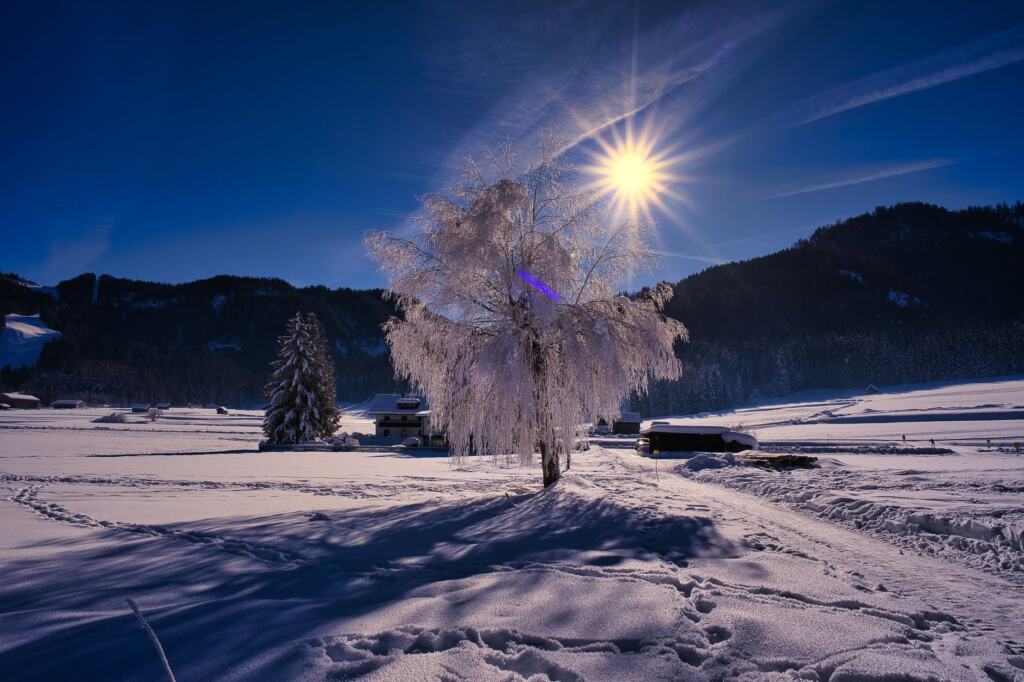
Conditions on a single hill can also change quickly with height and exposure. Abacus describes ground that is scoured by wind, with only a thin cover of snow where it is exposed. The same account describes very strong westerly winds and regular heavy snow showers depositing snow in sheltered locations above about 400 m. That contrast is the main reason winter days feel unlike summer ones. A ridge can look clear while the gully beside it holds deep wind-loaded snow.
Who this guide suits
- Confident summer walkers: the sections below show which habits need to change before a first winter day on the hill.
- Walkers considering steeper ground: if a route involves gullies or steep snow, treat it as mountaineering and plan accordingly.
- Anyone without winter experience: start with a course or a guided day rather than learning on the hill.
Checking avalanche risk and mountain forecasts
Mountaineering Scotland says it is vital to consult the avalanche forecast before venturing into the mountains in winter, and that mountain weather forecasts should be an essential part of planning hill activities. Both are checks made before leaving home, not on the summit.
The Scottish Avalanche Information Service (SAIS) publishes the forecast, and the table sets out what each check offers and how to use it. For the weather side, the separate guide to the mountain weather forecast scotland covers reading the forecast in more depth.
| Check | What it provides | Planning use |
|---|---|---|
| SAIS avalanche forecast | Daily forecasts of avalanche, snow and climbing conditions for six climbing areas, generally mid-December to early April depending on snow cover | Find the area nearest your hill and read it before choosing a route. Early or late in winter, snow cover decides whether a forecast is being issued. |
| Mountain weather forecast | Issued twice a day and covering daylight hours | Use the most recent issue on the day. It describes the hours you will actually be out, so plan to finish within them. |
| Be Avalanche Aware planning tool | A free digital training resource for hillwalkers, climbers, mountaineers and skiers | Work through it before the season, so the forecast wording makes sense on the day. |
Figures are as described by Mountaineering Scotland.
The order of decisions matters. Abacus notes that the Be Avalanche Aware approach says most decisions should be made before setting foot on the mountain. The forecast should therefore shape the route, the group and the turn-back plan, rather than being something to glance at in the car park.

A gear and skills ladder
Build winter capability in steps and do not jump straight to technical kit. Each rung should be comfortable before the next one is added.
- Read the forecasts and plan. The avalanche and mountain weather checks above come first, because they decide whether the hill is a sensible choice at all.
- Learn the skills. Guiding companies such as Abacus list Winter Skills Courses and Guided Winter Walking. Mountaineering Scotland’s safety and skills pages are a sensible place to begin looking for training.
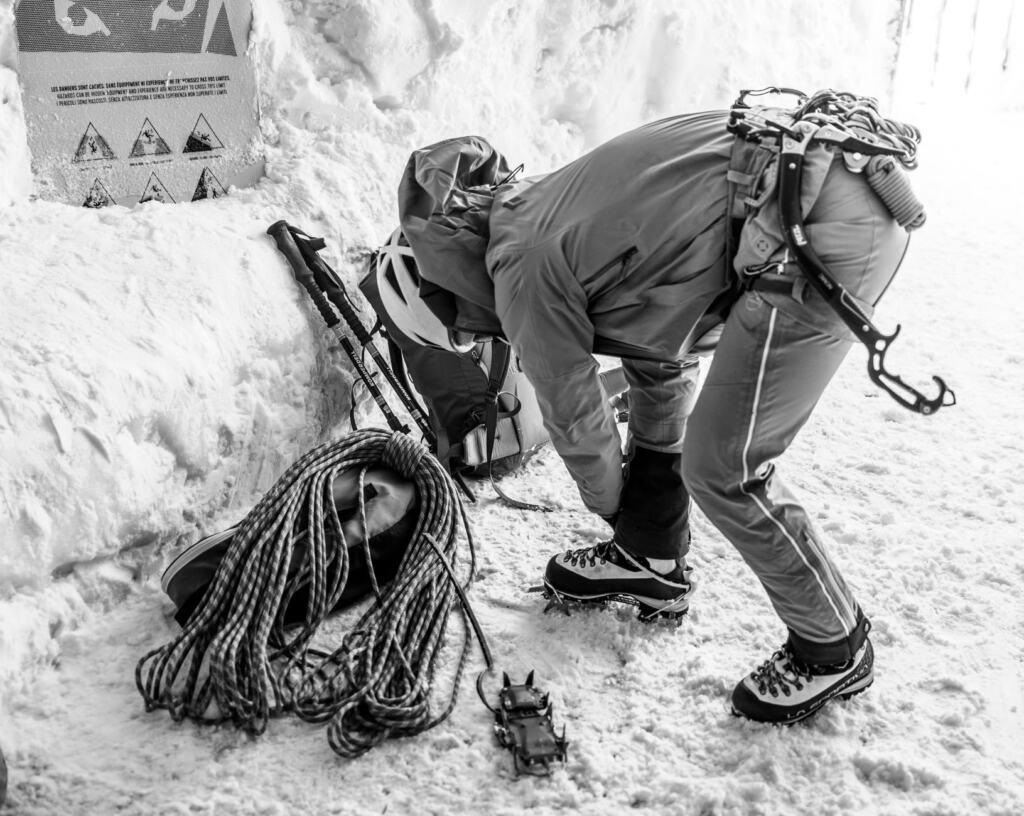
- Add the equipment you have been taught to use. Ice axe and crampons only help if their use is practised in advance.
- Extend your range. Move to more committing routes only when the earlier steps feel routine.
Do you need crampons?
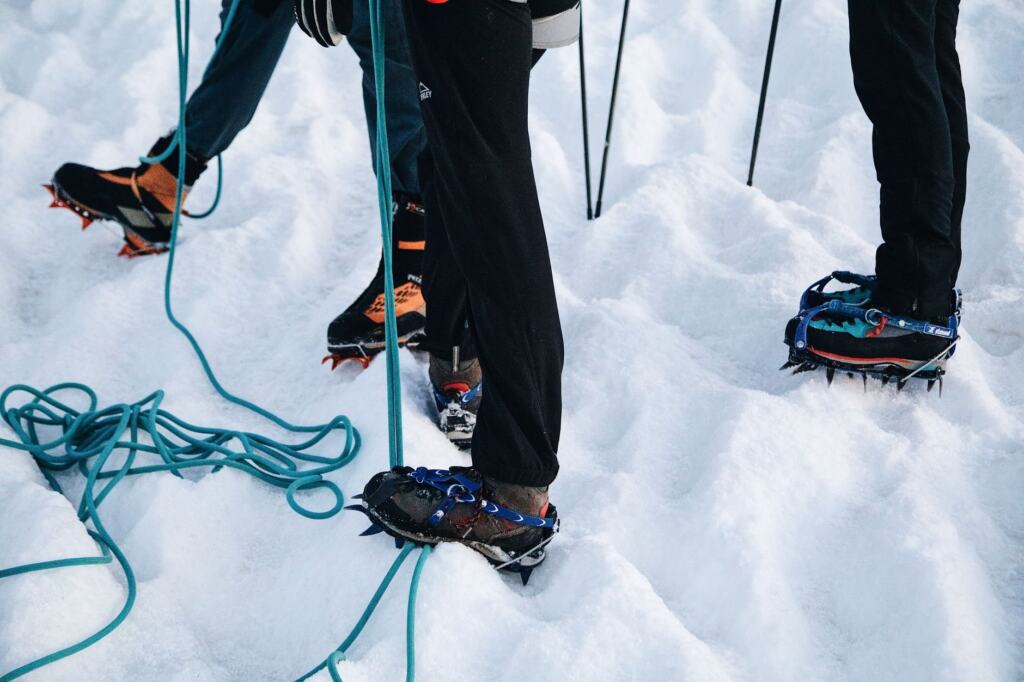
It depends on the conditions on the day, and no single rule settles it. Conditions can differ across one hill, from scoured ground with thin snow cover to deep wind slab in sheltered spots, so the forecast and the hill itself decide. A winter skills course is the practical way to learn when crampons are called for and how to use them safely. For a first winter outing, a guided walk lets a leader make those calls while the skills are being learned.
Planning around winter daylight
Daylight is the tightest constraint on a winter walk. Abacus points out that the official start of winter falls on the shortest day of the year, so the days are shortest right as winter begins. A route that is comfortable in summer may not fit into the available light.
Use the mountain forecast as a time guide, because it covers daylight hours and is issued twice a day. A sensible routine is to choose a route that finishes comfortably inside daylight, set a turn-back time before leaving, and treat a late start as a reason to pick a shorter option. A shorter, well-chosen route in good conditions is usually a better winter day than an ambitious one that finishes in the dark.
When plans go wrong
- The forecast looks serious: change the route or postpone. Mountaineering Scotland describes forecasts as an essential part of planning, and the decision is easiest to make at home.
- You are walking early or late in winter: the avalanche forecast depends on snow cover and generally runs from mid-December to early April, so a forecast may not be available outside that period.
- Conditions differ from the forecast: exposed ground can be scoured while sheltered ground holds deep snow. Turn back rather than commit to ground you cannot read.
- Someone is hurt or you are lost: read how to call mountain rescue scotland before you need it, so the steps are familiar.
Frequently asked questions
Is a snow pit enough to judge avalanche risk?
No. Abacus describes a snow pit as a pretty poor system on its own, because it does not represent the threat in the gully above. It does not replace the forecast.
Is there free avalanche training for hillwalkers?
Yes. Mountaineering Scotland points to a free digital training resource, the Be Avalanche Aware planning tool, to help hillwalkers, climbers, mountaineers and skiers understand and avoid avalanche dangers.
Do I need to check the avalanche forecast for every winter walk?
Mountaineering Scotland says it is vital to consult the avalanche forecast before venturing into the mountains in winter. The forecast covers six climbing areas, so find the one nearest your hill.