Quick answer: for ticks, Scotland walking routines come down to covered legs, trousers tucked into socks, repellent and a thorough skin check afterwards. Remove any tick you find quickly, using a proper removal tool.
The routine matters most on grassy and wooded ground, and it is the same whether the walk is a short local path or a longer day out. Broader guidance on Scotland outdoor access rights sits alongside this advice for anyone planning routes across the country.
Choosing your tick routine
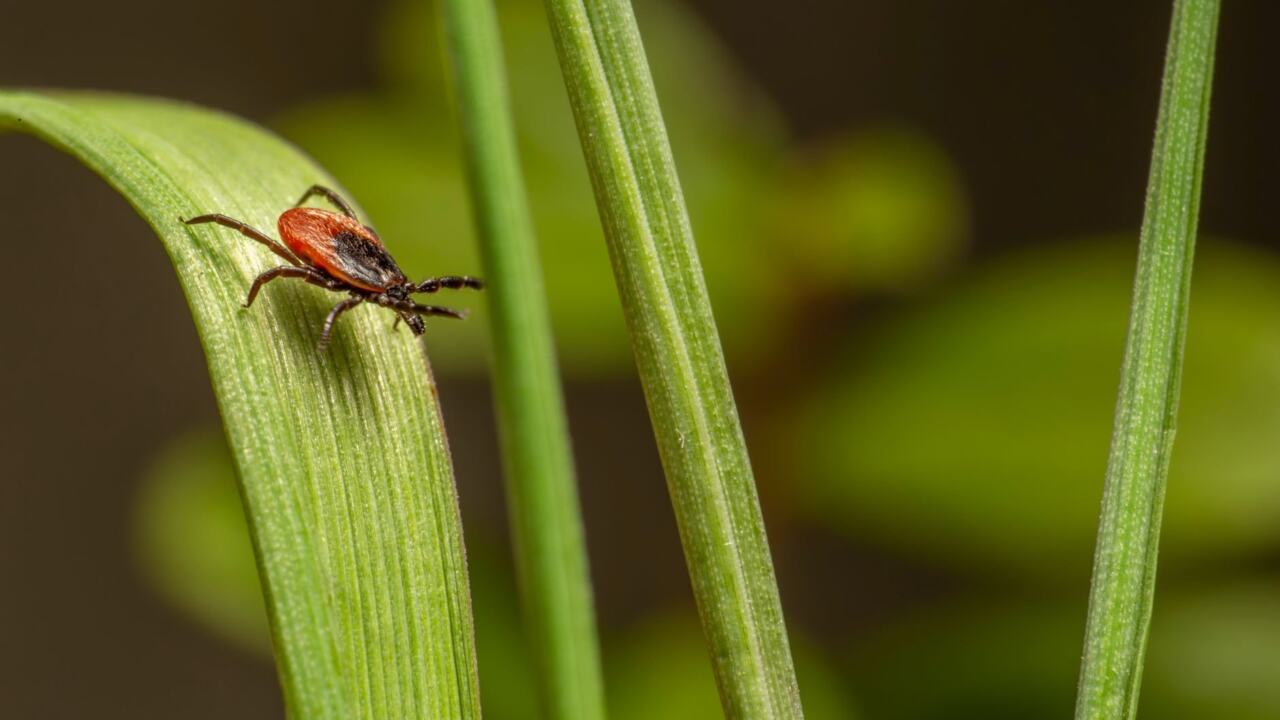
No single measure stops every bite, so the sensible approach is to stack several small habits. Public Health Scotland describes ticks as small, spider-like creatures that live in outdoor green spaces. That description covers most of what walkers enjoy, so the question is how much effort each outing needs rather than whether to bother.
The table compares the main habits so you can decide how far to go on a given walk.
| Habit | What it does | Planning use |
|---|---|---|
| Long sleeves and trousers, tucked into socks | Covers bare skin where ticks could attach | Best default for any walk through grass, bracken or woodland edges |
| Sticking to main paths | Keeps you away from the vegetation ticks live in | Suits families, short outings and anyone who wants the lowest-effort option |
| Insect repellent | Adds a layer of protection on top of clothing | Useful when you cannot avoid brushing against vegetation |
| Thorough skin check afterwards | Finds ticks early so they can be removed quickly | Do it after every walk in grassy or wooded areas, whatever else you did |
These measures come from Public Health Scotland’s guidance on what to do if you get bitten.
If you only adopt one habit, make it the skin check. Clothing and repellent lower the odds of attachment, but the check is what gets a tick off quickly when one does get through, and speed of removal is what lowers the chance of becoming unwell.
Tick season in Scotland
Ticks are active from spring through to autumn, according to Public Health Scotland. That covers most of the main walking calendar, so there is no safe middle of summer to relax in. The practical decision is to treat any walk between spring and autumn as a tick-aware walk, and to keep the checking habit going into the colder months of the season rather than dropping it once the weather turns.
May is also Lyme Disease Awareness Month, which is a handy reminder to dust off your routine at the start of the season. Check that your tick remover is still in your first aid kit or rucksack pocket, and that your walking trousers and socks work together.
Where ticks are found on a walk
The guidance points to grassy areas and woodlands as the places to be most careful, which is why a check matters after walks in those settings. Ticks live in green spaces across the country, and Public Health Scotland does not single out particular areas as safe. A habitat-based approach works better than a map-based one.
Bracken, long grass and woodland edges
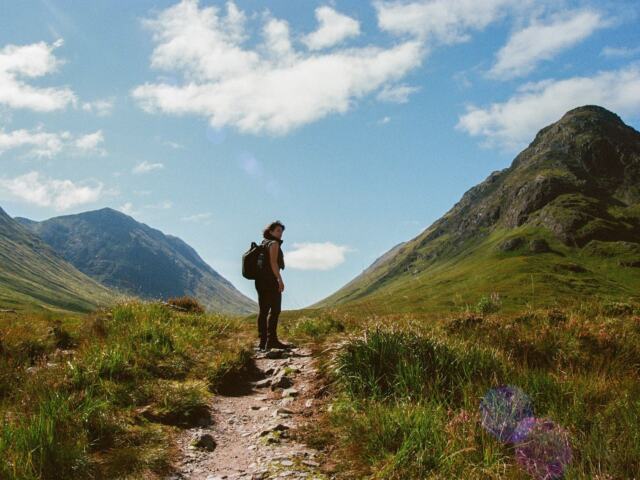
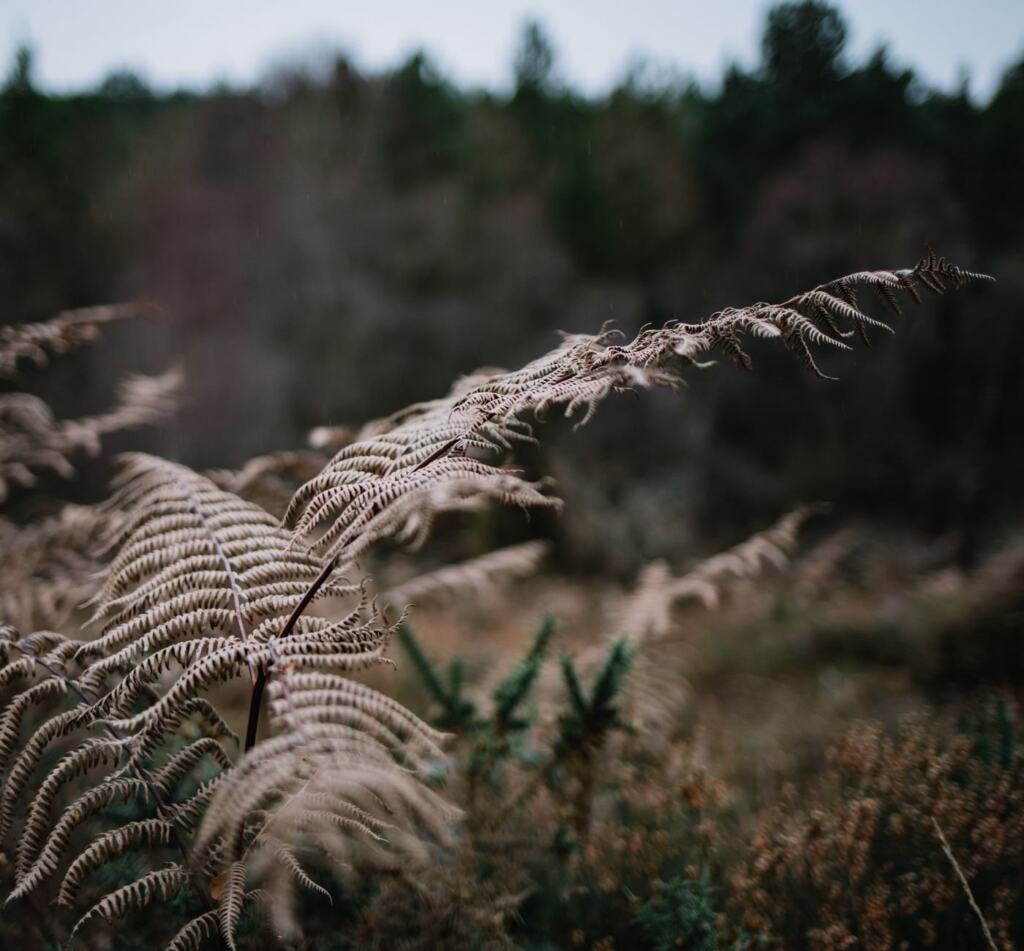
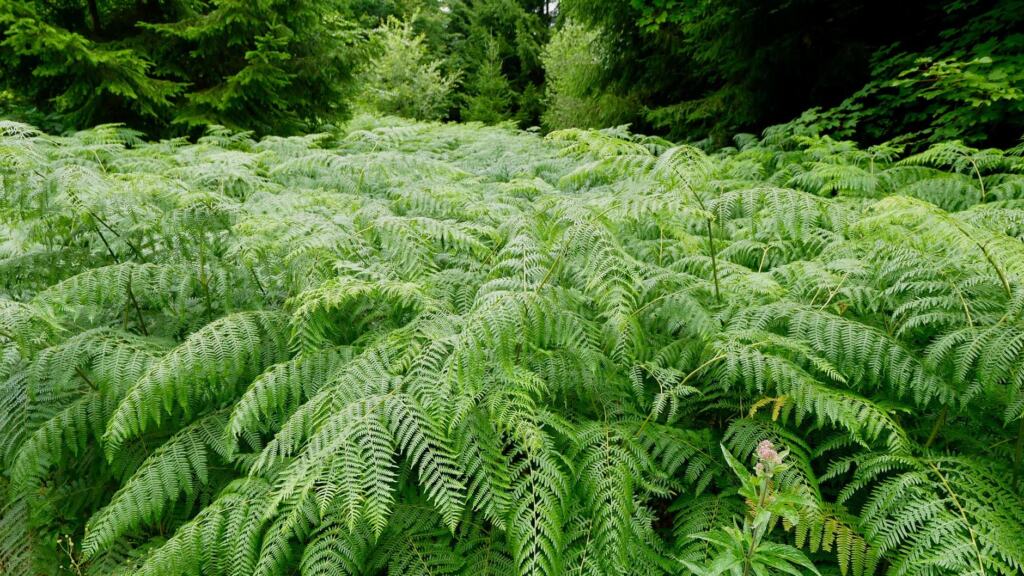
Bracken-lined paths and long grass beside woodland tracks fall squarely within the grassy and wooded ground the guidance flags. Such vegetation often grows right up to the edge of a path, so brushing against it is hard to avoid. Fife woodland paths and Highland tracks both offer plenty of this kind of edge, and the clothing routine below is designed for exactly that.
Open, well-used paths
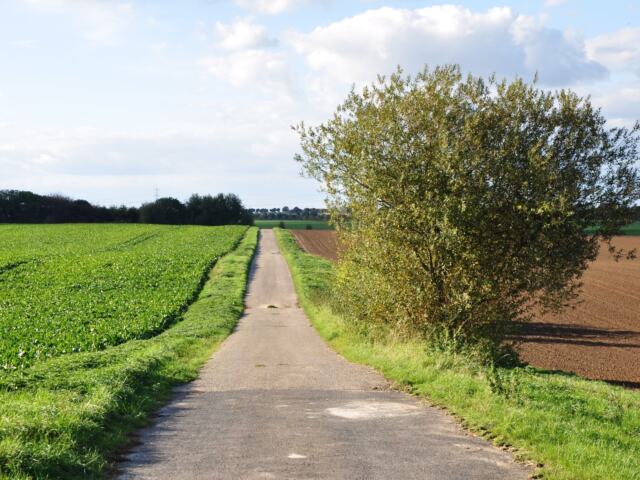
Public Health Scotland advises sticking to the main paths. A wide, well-trodden track keeps you away from the vegetation where ticks sit, so it suits walkers who would rather reduce the risk by route choice than by gear. Planning that kind of route is easier with a good grasp of how to navigate hill walking scotland, because knowing where the main path runs makes it easier to stay on it.
Clothing and preparation before you set off
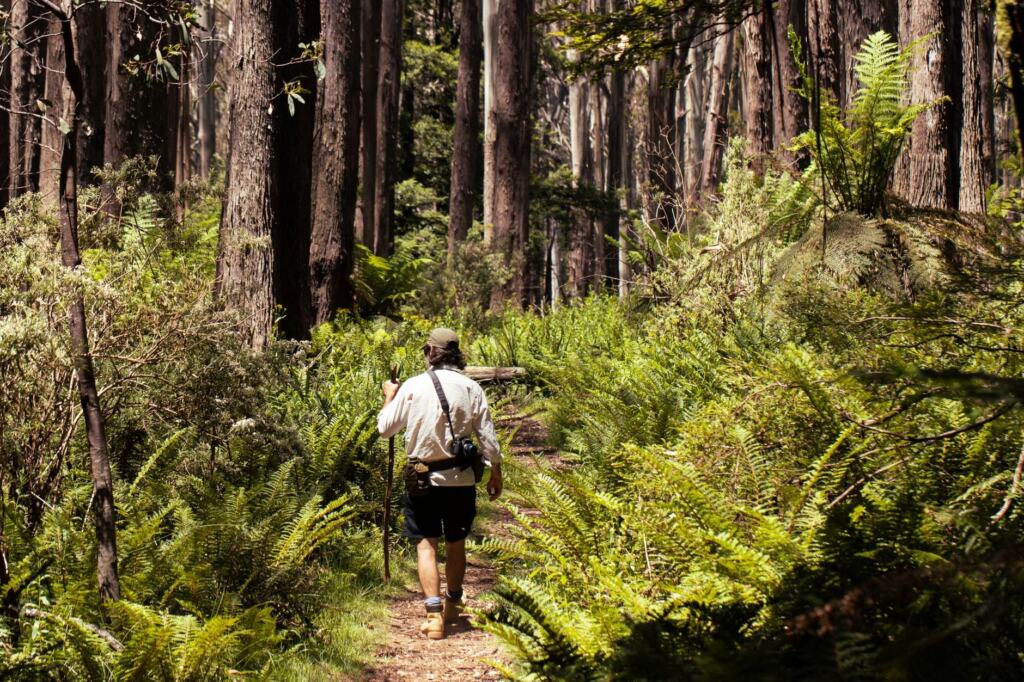
The core clothing advice is simple. Public Health Scotland recommends long sleeves and trousers, with the trousers tucked into your socks, so that ticks have less exposed skin to reach. The tucked trousers look a little odd, but they close the gap at the ankle where vegetation brushes against you.
A short pre-walk routine is enough:
- Dress for the vegetation. Put on long sleeves and trousers rather than shorts, even on a warm day when the path runs through grass or woodland.
- Tuck trousers into socks. Do this before you reach the trailhead so the habit is already in place when you start walking.
- Apply insect repellent. Public Health Scotland recommends repellent without specifying a type, so follow the instructions on the product you choose.
- Pack a tick remover. Keep it somewhere you can reach it without emptying the rucksack.
Who does this suit? Anyone walking through bracken, long grass or woodland edges should do all four. For a short stroll on a surfaced main path, the clothing and repellent steps can reasonably be lighter, but the post-walk check still applies if the route touched any grass or trees. The same routine travels well, whether the outing is in Fife or in one of the national parks in scotland.
Checking your skin after a walk
Public Health Scotland asks people to check their skin thoroughly after being outdoors, particularly after time in grassy areas or woodlands. The check is the step that most directly affects outcomes, because the quicker you find and remove a tick, the lower your chances are of getting unwell.
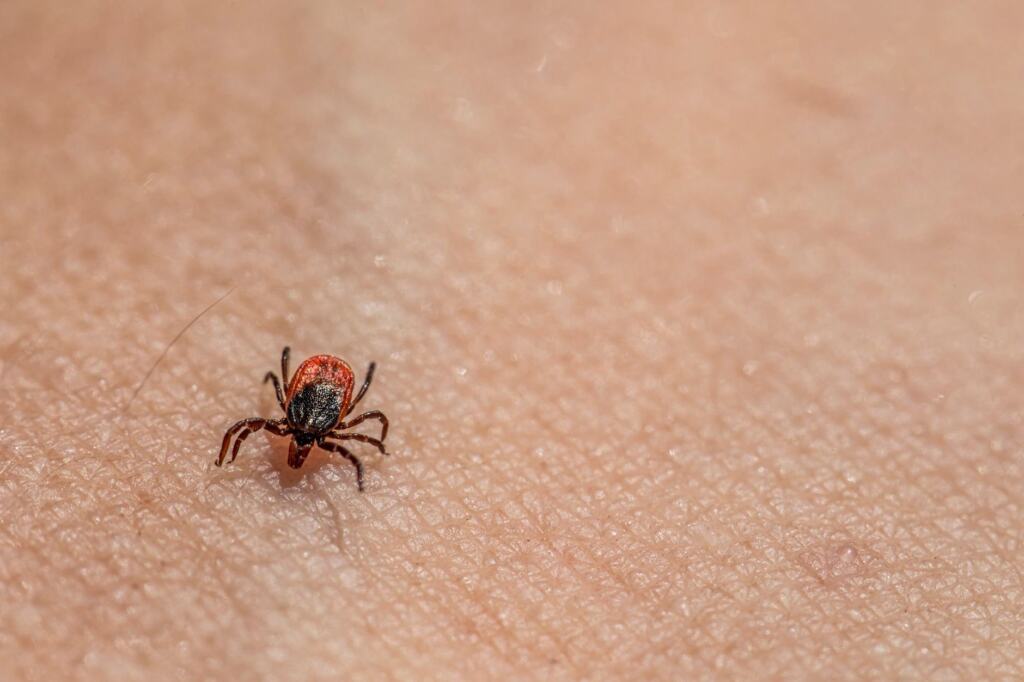
Build the check into the end of the walk so it does not depend on remembering later. Do it as soon as you are home, or at the car if you are changing out of walking kit. Look over your whole body, and ask someone else to look at places you cannot see. A second pair of eyes is worth having because ticks are small and can be hard to spot on your own.
Removing a tick safely
Use a removal tool or fine-tipped tweezers, and act as soon as you find the tick. Public Health Scotland says removal tools shaped like a little claw hammer (tick twisters) or a credit card (tick cards) are generally the easiest to use, so those are the ones to carry if you walk regularly in tick country.
Step by step
- Choose your tool. Take the tick twister or tick card from your kit. If you do not have one, use fine-tipped tweezers.
- Lift the tick away. With tweezers, lift the tick up and off the skin. With a removal tool, follow the instructions that come with it.
- Avoid squeezing the body. Public Health Scotland stresses that it is important not to squeeze the tick’s body while removing it.
- Dispose of the tick. Crush the removed tick and dispose of it safely so that it cannot reattach.
A dedicated tool is the better choice for regular walkers because it is designed for the job and is easy to keep in a pocket. Tweezers are a fair fallback, but they need fine tips and a steady hand so the body is not squeezed.
Lyme disease: symptoms and when to see a GP
Lyme disease is a bacterial infection spread to humans by infected ticks. Public Health Scotland reports that cases are on the rise across Scotland, though its guidance gives no case counts to quote. That trend is a good reason to keep a routine rather than a reason for alarm.
What to look for
- A red, circular rash. This is the most common early sign. It is worth photographing so you can show a doctor how it changes.
- Flu-like symptoms. Tiredness, headaches and muscle and joint pain can appear as a cold or flu-like illness.
The symptoms of Lyme disease tend to be mild, and when detected early they respond very well to a course of antibiotics. If early symptoms are missed or ignored, longer-term symptoms are more likely to develop. The condition is treatable but can sometimes become serious if it is not caught early.
Deciding when to call
The practical rule follows from that: if you have been bitten and then develop a rash or flu-like symptoms, contact your GP and mention the tick bite. Early treatment is the point, so waiting to see whether things improve gives up the advantage. The guidance supplies no fixed timing for when symptoms appear, so watch for changes after any bite rather than waiting for a particular date. The details are set out in Public Health Scotland’s tick guidance.
Troubleshooting common situations
- You have no removal tool. Use fine-tipped tweezers to lift the tick up and off the skin, and avoid squeezing its body.
- You find a tick at the end of the day. Remove it straight away. The quicker a tick is removed, the lower the chance of becoming unwell.
- You squeezed the tick by accident. Public Health Scotland warns against squeezing the body, so take more care with the next one. If you develop a rash or flu-like symptoms afterwards, contact your GP.
- The route is overgrown. Switch to a main path if you can. If the only route runs through bracken or long grass, rely on the full clothing and repellent routine and check carefully afterwards.
- A rash appears after a walk you do not remember a bite from. A red, circular rash is the most common early sign of Lyme disease, so speak to your GP even if you never noticed the tick.
Frequently asked questions
When is tick season in Scotland?
Ticks are active from spring through to autumn, so any walk in that period in grassy or wooded areas warrants the full routine.
How do I remove a tick safely?
Use a tick twister, a tick card or fine-tipped tweezers, lift the tick up and off the skin without squeezing its body, then crush it and dispose of it safely.
What are the symptoms of Lyme disease?
The most common early sign is a red, circular rash. Some people have cold or flu-like symptoms such as tiredness, headaches and muscle and joint pain.
How can I avoid tick bites while walking?
Wear long sleeves and trousers tucked into your socks, use insect repellent, stick to main paths and check your skin thoroughly after being outdoors.
Where in Scotland are ticks most common?
Ticks live in outdoor green spaces. Public Health Scotland highlights grassy areas and woodlands as the places where a post-walk check matters most.