
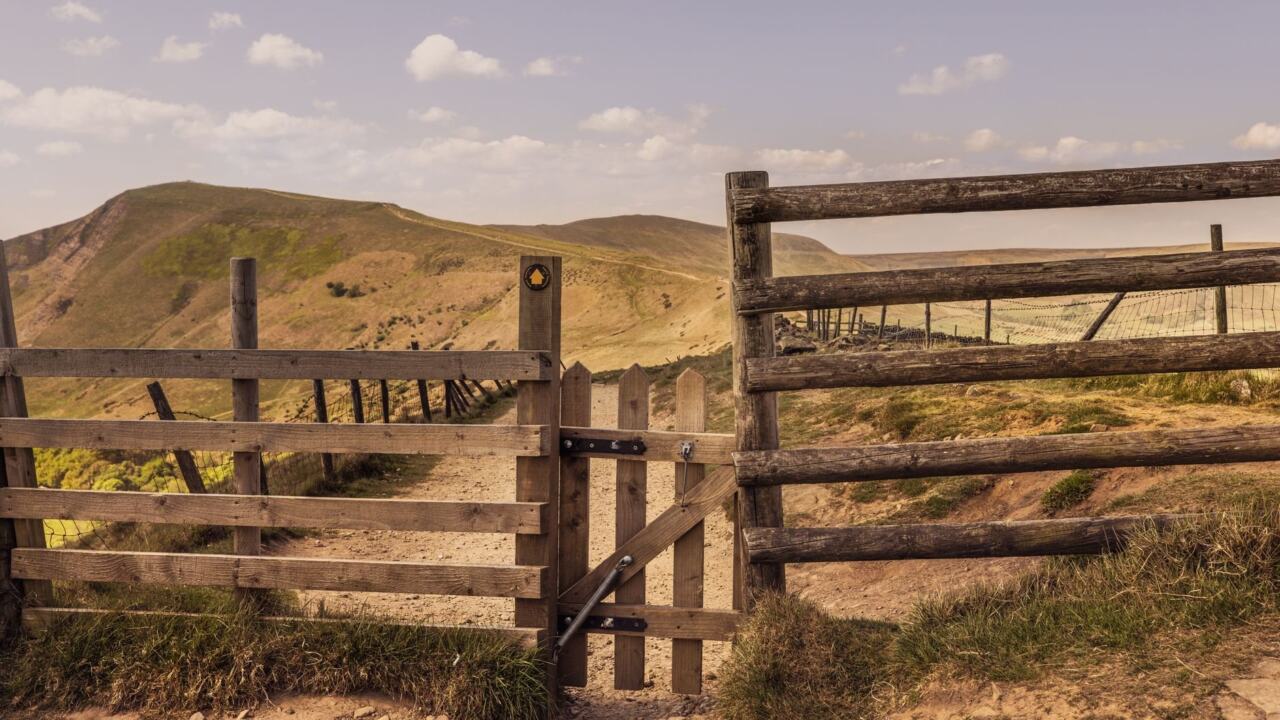
Quick answer: The Scottish Outdoor Access Code explains how to use your access rights responsibly. It rests on respecting other people, caring for the environment and taking responsibility for your own actions. Walkers in Fife apply it at gates, field edges and coastal paths.
This guide turns each principle into practical behaviour, then explains who is responsible when a route is blocked. For the wider picture, start with Scotland outdoor access rights.
What the code is and where the law fits
The Scottish Outdoor Access Code is the everyday guide to behaving well when you use Scotland’s access rights. It is promoted by NatureScot, which, for example, created Activity Guides for schools in 2007, according to a Glow Scotland schools blog. That same page describes the code as key to enjoying the outdoors while respecting nature and the interests of others.
The legal rights themselves come from the Land Reform (Scotland) Act 2003, an Act of the Scottish Parliament (asp 2). Its access provisions sit in Part 1, Chapter 5 on legislation.gov.uk. In plain terms, the Act gives everyone the right to access most land and inland water in Scotland, as long as that right is used responsibly, as Live Breathe Scotland summarises it.
So the question “is the code law?” has a two-part answer. The right of access is set in the Act. The code is where you learn what responsible use looks like. If you want the rights side in more depth, the guide to the right to roam scotland covers it.
The three principles as on-the-ground behaviour
The code is easiest to use as three questions you ask yourself on any path. Each one changes what you do at a gate, a field edge or a beach.
Respect the interests of other people
This principle is about the people who live, work and walk where you do. On a farm track that means remembering the land is somebody’s workplace as well as your route. Treat a gate with care, and leave it as you found it unless it is clearly meant to be open.
- Gates: a gate left wrongly can let livestock out, so fasten it again after you pass.
- Other users: on a narrow path, give walkers, runners and farm vehicles room to pass.
- Privacy: keep a sensible distance from houses and gardens as you pass.
Care for the environment
Caring for the environment means leaving the ground, plants and wildlife as undisturbed as the route allows. Where a path exists, stay on it, and avoid widening it by stepping round mud or puddles. The Act itself reflects this balance: access is for those who use it responsibly, and the code is how you show that.
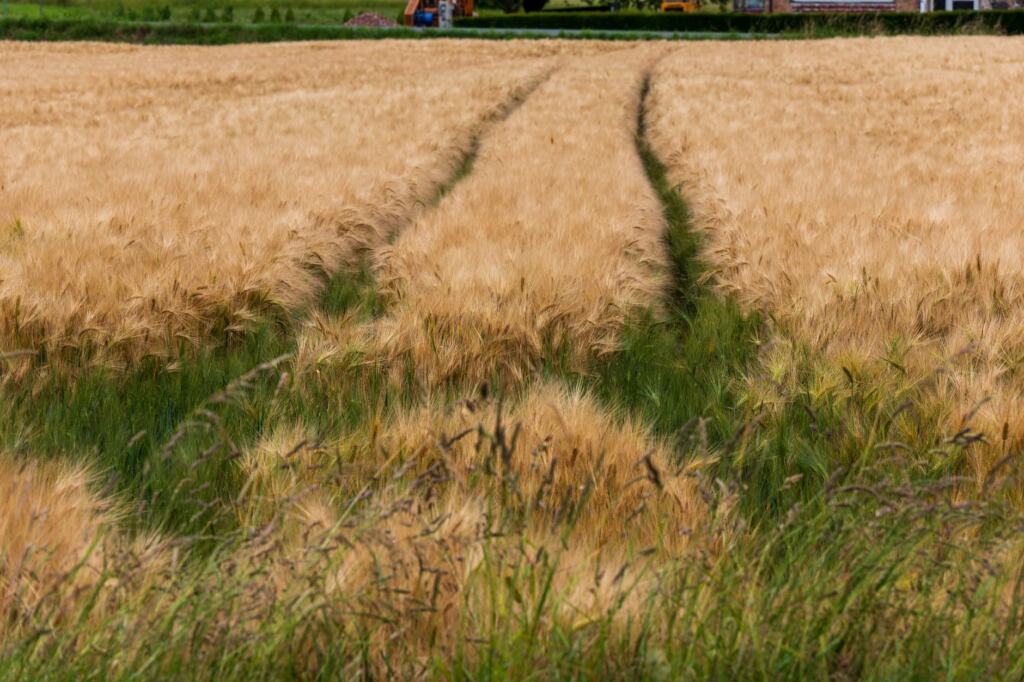
Tracks through a growing crop show why this matters. Flattened ground does not recover quickly, and a crop trampled by walkers is a lost harvest for the farmer.
The leave no trace scotland guide goes further on minimising your footprint, and it pairs well with this principle.
Take responsibility for your own actions
This principle puts the decision-making on you. You choose the route, judge the conditions and decide what to carry. A practical rule: whatever you bring out with you, take back, including your own rubbish.
- Plan for the route: pick a walk that suits your fitness, footwear and the weather on the day.
- Carry a bag: a small rubbish bag means you can take litter home rather than leave it for others.
- Take care of yourself: on coastal and farm paths, you are the one who judges the ground underfoot.
Applying the code on Fife paths
Fife offers two path situations where the principles meet most often: coastal paths and farm edges. The same three questions work on both, but the emphasis shifts.
Coastal paths
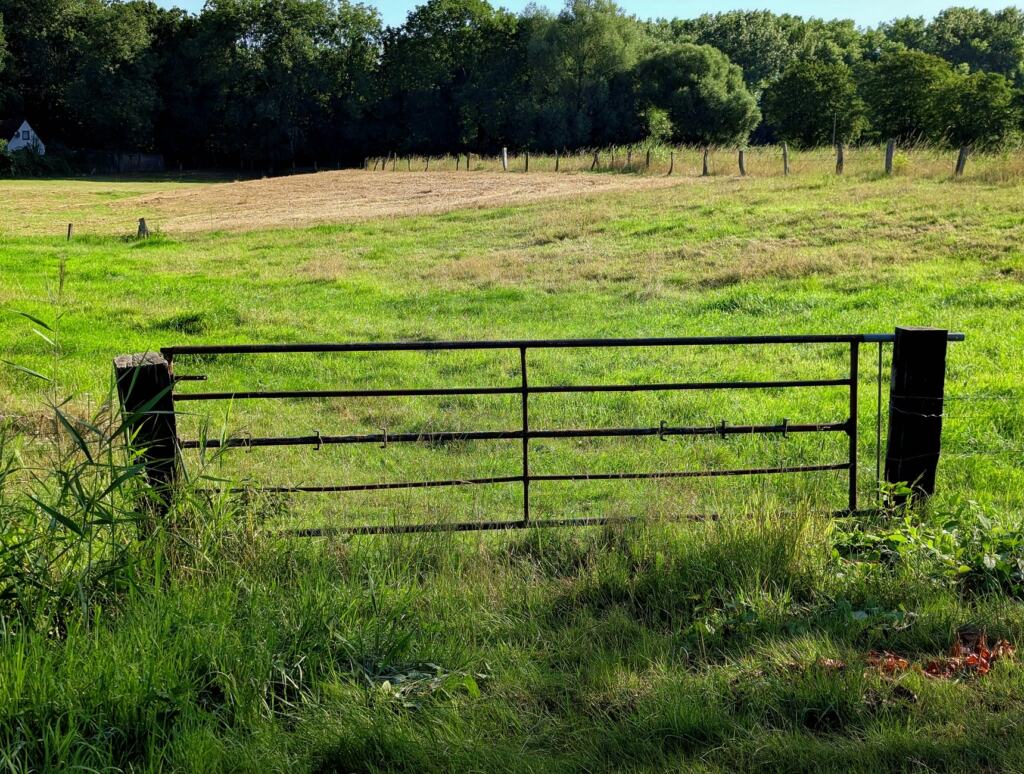
Coastal routes tend to be shared with other walkers, so the emphasis falls on respecting others and sharing the path. Stay on the established line, pass other users courteously and take any litter with you. If a gate or stile is part of the route, use it as intended; local authorities can install gates, stiles and similar means of making access easier under section 15(4) of the 2003 Act.
Farm edges
Where a path runs along cultivated land, keep to the edge rather than cutting across the crop. Walking in single file along the margin is a simple way to respect the farmer’s interests and look after the ground in one step.
Learning more locally
If you prefer to learn in person, The Ecology Centre in Burntisland lists an Introduction to the Scottish Outdoor Access Code workshop on 16 November 2026, from 17:00 to 19:00. It covers access rights in Scotland and how to respect nature while you are out and about.

When access is blocked: who does what
If a route you expected to use is obstructed, the first step is to identify who is responsible for resolving it. In Fife, that is the local authority, Fife Council, which has an access officer role for this work. Start by noting where the problem is and what is blocking the way, then report it to the council.
The Act sets out each party’s position clearly, as the table shows.
| Party | What the Act says | Planning use |
|---|---|---|
| Local authority | Has a duty to assert, protect and keep open access routes free from obstruction or encroachment (section 13(1)) | The right body to report a blocked route to |
| Local authority | May institute and defend legal proceedings for that purpose (section 13(3)) | Shows the council can act, not just advise |
| Landowner | Must not put up signs or obstructions to prevent or deter access (section 14(1)) | A sign or barrier meant to deter you is not the end of the matter |
| Landowner | May appeal a local authority notice by summary application to the sheriff (section 14(4)) | Resolution can take time if an owner challenges a notice |
These duties and powers are set out in Part 1, Chapter 5 of the Land Reform (Scotland) Act 2003.
Choosing your next step
- Obstruction or deterrent sign: photograph it and report the location to the council’s access officer, since the duty to keep routes open sits with the local authority.
- Unclear whether you have access: use the principles first. If you are acting responsibly, you are working within the spirit of the rights.
- Dispute with a landowner on the spot: keep calm, step away and take it up with the council afterwards rather than arguing at the gate.
Frequently asked questions
What is the Scottish Outdoor Access Code?
It is the guide to using Scotland’s access rights responsibly, built on respecting others, caring for the environment and taking responsibility for your own actions. NatureScot promotes it.
Is the code law, and how does it relate to the 2003 Act?
The right of access comes from the Land Reform (Scotland) Act 2003. The code explains how to use that right responsibly.
How does the code apply to walkers in Fife?
You apply the same principles on Fife paths as anywhere in Scotland. On coastal paths that means sharing the route and taking litter home. At farm edges it means keeping to the margin of the crop and closing gates.
Who do I contact if access is blocked?
Contact the local authority. Under the 2003 Act it has a duty to keep access routes open and free from obstruction, and it may take legal proceedings to do so.