Standing at a farm gate with a hill beyond? Right to roam Scotland rules let you cross most land and inland water for recreation, but not gardens, houses, growing crops or building sites, and only responsibly.
The right comes from statute, not just custom, so its limits matter as much as its freedoms. For the wider picture, start with our guide to Scotland outdoor access rights, then use this page for the legal basis, the excluded land and the comparison with England.
The legal basis in the 2003 Act
Statutory access rights are set out in Section 1 of the Land Reform (Scotland) Act 2003, which says that everyone in Scotland has the right to be on land for recreational purposes, as the Herald’s summary of the rules and exceptions explains. The Act received Royal Assent in 2003, and access rights came into operation on 9 February 2005, according to the Scotways right to roam timeline. In practical terms the right grants the public broad access to most land and inland water across the country.
That wording answers the most common question. You cannot walk absolutely anywhere in Scotland, but you can walk almost anywhere that is not specifically excluded, provided you behave responsibly. The rest of this page shows where the exclusions fall and what conditions travel with the right.
Common assumptions against the legal position
Most confusion comes from reading “roam” literally. The table sets the usual assumptions beside what the rules actually provide, and what that means for planning a walk.
| Common assumption | Legal position | Planning use |
|---|---|---|
| The right lets me go anywhere. | It covers most land and inland water, not all land. | Expect exceptions on any route, especially near buildings. |
| A garden is fair game if I stay quiet. | Private gardens and houses are excluded, as is land adjacent to dwellings, farm buildings, compounds, schools and similar man-made features. | Keep well clear of land beside buildings, and look for a way round. |
| Farmland is either all open or all closed. | Unenclosed farmland is included, with care not to damage crops. Land with growing crops is listed among the exclusions. | Choose a line that avoids crops altogether. |
| Off-road driving counts as access. | Motorised activities such as off-road driving fall outside the right, and landowner permission is required. | Ask the landowner before taking any motor vehicle off the road. |
| It works like England’s right to roam. | In England the right applies only to open access land. | Do not carry English assumptions into Scotland, or the reverse. |
These contrasts draw on the Herald’s rules and exceptions summary and Rambling Scotland’s guide to the right to roam.
Where access rights do not apply
The excluded land is mostly land that is lived in, worked or built on. Thinking in those terms is more reliable than trying to memorise a list.
Homes, gardens and their surroundings
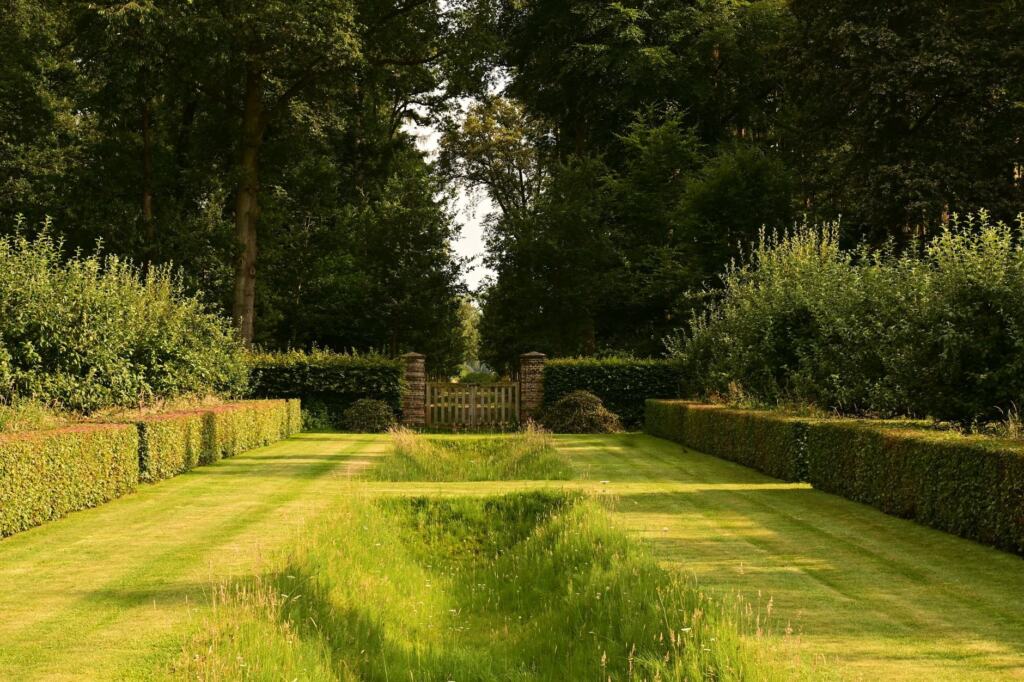
Access rights do not apply to private gardens or houses. The exclusion also reaches beyond the garden itself: the right does not extend to land adjacent to dwellings, farm buildings, compounds, schools and similar man-made features, as the Herald’s account of the exceptions puts it. A path that squeezes between a house and a field therefore needs more care than open hill, because the land beside the building may fall outside the right.
Crops and farmland
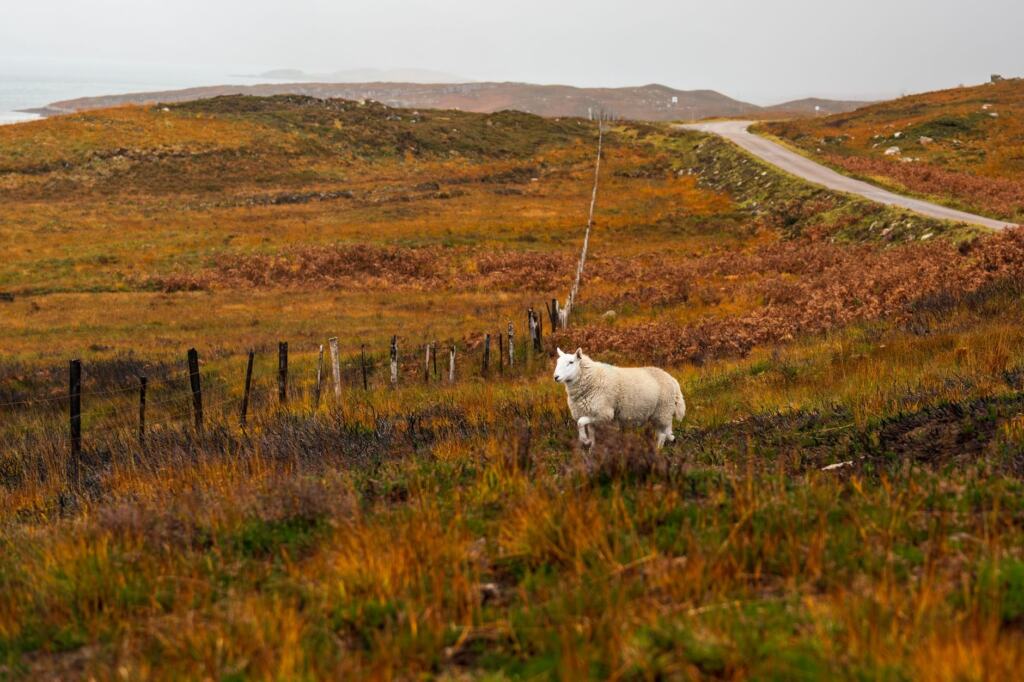
Farmland is where the right asks the most judgement. Unenclosed farmland is included, but you must take care not to damage crops, while land with growing crops is among the places the right does not cover. The sensible reading is to stay off fields that are in crop and use field margins, tracks or open ground nearby instead.
Works sites, school grounds and airfields
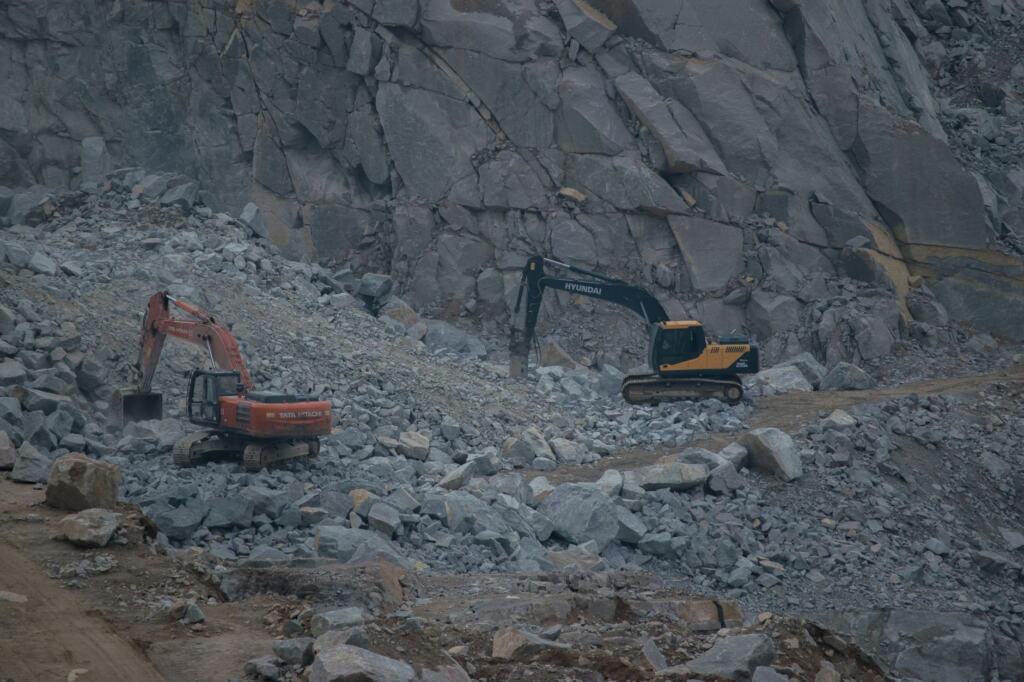
School grounds, airfields and construction sites are also excluded, according to Rambling Scotland. These are places with their own hazards and security needs, so a fence or warning sign is a cue to find another route rather than a puzzle to argue with.
Golf courses and other managed ground
Golf courses are managed, intensively used ground, so do not assume you may go wherever you like on one. Follow any signs and the guidance in the Scottish Outdoor Access Code, and keep to the edges and recognised paths where there is a choice. Coastal links in Fife are a good example of ground where paths and play sit side by side.

Activities and conditions that come with the right
The right is not limited to walking, and it is not unconditional. Rambling Scotland lists the covered activities and several practical conditions.
- On foot, bike or horse: walking, cycling, running and horse riding all count as access rights.
- On the water: canoeing, swimming and paddleboarding are covered too, which is why the right is described as applying to inland water as well as land.
- Wild camping: it is part of the right, but you should camp well away from roads and buildings. Seasonal byelaws restrict camping in certain busy areas of Loch Lomond and the Trossachs to protect the environment, so check local restrictions before pitching there.
- Responsible conduct: the right must be exercised sensibly and responsibly, and the Herald points readers to the guidance in the Code. That guidance is the scottish outdoor access code, which was created in 2004, according to the Scotways timeline, the year before access rights began operating.
Walkers with dogs face further practical questions, which our guide to walking dogs scotland access rules covers separately.
How Scotland differs from England and Wales
The sharpest contrast is in what the right attaches to. In England the right to roam applies only to open access land, so outside mapped areas you rely on rights of way, the Herald notes. The 2000 Countryside and Rights of Way Act gave walkers in England and Wales the right to roam over mountain, moor, heath and down, as the Scotways timeline records. Scotland’s right starts from the opposite premise: most land and inland water is open unless an exclusion applies.
Camping shows the difference in practice. In England camping is restricted to campsites, unlike in Scotland, where wild camping is possible under the conditions above. For a walker, this means Scottish planning begins with checking exclusions and local byelaws, while English planning begins with checking whether a path or an area of open access land exists.
Frequently asked questions
| Question | Answer |
|---|---|
| Are rights of way and access rights the same thing? | No. The 1894 Local Government (Scotland) Act made rights of way the direct responsibility of local authorities, according to the Scotways timeline. The right to be on land for recreation is a separate statutory right under Section 1 of the 2003 Act. |
| Did walkers have any legal access before the 2003 Act? | Access existed as a tradition, and the Land Reform legislation of 2003 turned it into a legal right, as Wilderness Scotland describes. Elsewhere in the UK, the Law of Property Act 1925 created the first right of access to land, covering Central and Southern Lakeland fells. |
| Does the right only apply along paths? | No. It is a right to be on land for recreation, so it covers open ground, including unenclosed farmland, as well as routes. Land listed among the exclusions stays off limits whether or not a path runs near it. |