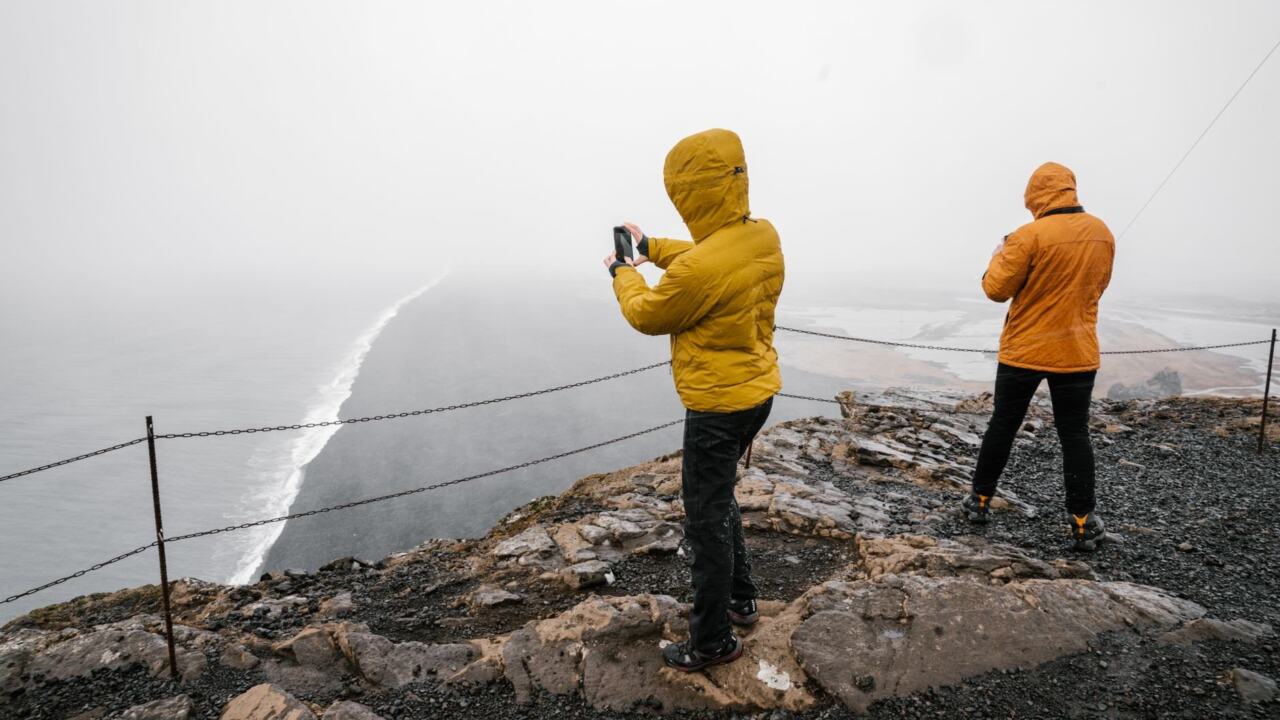
On a Fife coastal path in wind-driven rain, the best waterproof jacket for walking in Scotland is a fully taped membrane shell with a hood that allows free head movement and a water-repellent finish that still beads.
Construction decides most of that, so the shortlist below sorts jackets by build and by the walk they suit. The wider walking gear reviews cover the rest of the kit, and the checklist near the end turns the options into a buying order.
Shortlist at a glance
Jackets split into broad types by how many layers they use, and that choice sets how well they cope with a long wet day on open ground. The table compares the main types on build and the walks they suit.
| Option | Construction | Planning use |
|---|---|---|
| Fully taped 3-layer membrane shell | Outer fabric, waterproof membrane and an inner mesh or PU film lining | The default for hill days and sustained rain, because 3-layer is the build recommended for hiking |
| Lightweight shell | 2.5-layer jackets carry a protective print; the smallest hood is the weight-saving choice | Less extreme conditions, or days when every gram counts |
| 2-layer jacket | No inner lining | The weaker pick for hill days, since hiking advice points to a 3-layer jacket |
Layer descriptions follow the waterproof ratings and breathability guide, and the hood sizing follows Outdoor Action’s buying guide.
3-layer membrane shell, with or without Gore-Tex
A 3-layer jacket adds an inner mesh or PU film lining that stops the waterproof layer sitting directly against the skin. The ratings guide says anyone hiking will want this construction for adequate protection. It suits walkers who spend long spells on exposed ground in sustained rain.
The membrane is what makes the jacket both waterproof and wearable. Its pores are too small to let water in but large enough to let vapour out. Gore-Tex is the best-known membrane name, and Outdoor Action’s buying guide describes it as the world’s leading waterproof fabric technology.
Whether Gore-Tex is worth paying for depends on what the label adds. The brand matters less than the construction, so compare a Gore-Tex jacket with a non-Gore-Tex membrane jacket on layers, seam taping and published ratings before paying for the name. The label also does not replace upkeep, because every membrane jacket still depends on a water-repellent finish on the outside.
Lightweight and 2-layer options
Lightweight packable shell
The best lightweight waterproof jacket for hiking is a shell that saves grams without giving up its waterproof rating or seam taping. Outdoor Action’s guide describes the smallest hood size, the Mountain Hood, as ideal for less extreme conditions or when every gram counts. A 2.5-layer jacket carries a protective print, as the ratings guide explains.
Weight and packed size vary from model to model, so compare the figures each maker lists rather than assuming a category is light. This option suits day walkers who carry a shell as insurance and wear it only when the weather turns. It is a poorer fit for exposed ridges in a downpour, where a bigger hood earns its weight. Legs need the same weight-versus-cover decision, covered in the guide to the best waterproof walking trousers.
2-layer jacket
A 2-layer jacket has no inner lining. Because the hiking advice is a 3-layer build, a 2-layer jacket is the weaker choice for hill days and best treated as a lower-demand option.
Waterproof and breathability ratings explained
Hydrostatic head is a way of measuring how waterproof a fabric is, stated as a rating in metres or millimetres of water column before leakage, according to Outdoor Action’s guide. A jacket rated at 10,000mm can withstand pressure equivalent to a 100 m column of water, as the ratings guide puts it.
How waterproof a walking jacket should be
For hiking, treat 10,000mm as the floor, not the target, and look for 15,000mm or above if serious downpours are likely. Even the most powerful wind-blown rain rarely exceeds the equivalent of 500mm, so the ratings of 10,000mm or even 20,000mm that many fabrics advertise leave a margin. That margin helps when kneeling or sitting on wet ground raises the pressure on the fabric. A jacket far above the floor is therefore a sensible buy for long wet days, but a higher figure alone does not make a better jacket.
Reading breathability figures
Breathability ratings are based on how much sweat and moisture passes through a square metre of fabric in 24 hours, so a bigger gram figure means a more breathable jacket. The RET scale runs the opposite way: an RET of 5 is highly breathable, while an RET of 20 is not very breathable at all.
Makers often publish matched figures. Bushbuck’s Stowlite jacket, for example, is listed at 20,000mm waterproof and 20,000g breathability. Look for jackets whose maker states both numbers, since a waterproof rating alone says nothing about how clammy the jacket will feel on a climb.
DWR finish and why jackets wet out
The durable water repellent finish is the coating on the outer face fabric that makes water bead up and roll off, preventing it from getting through the first layer. It is the first line of defence on any shell, membrane or not.
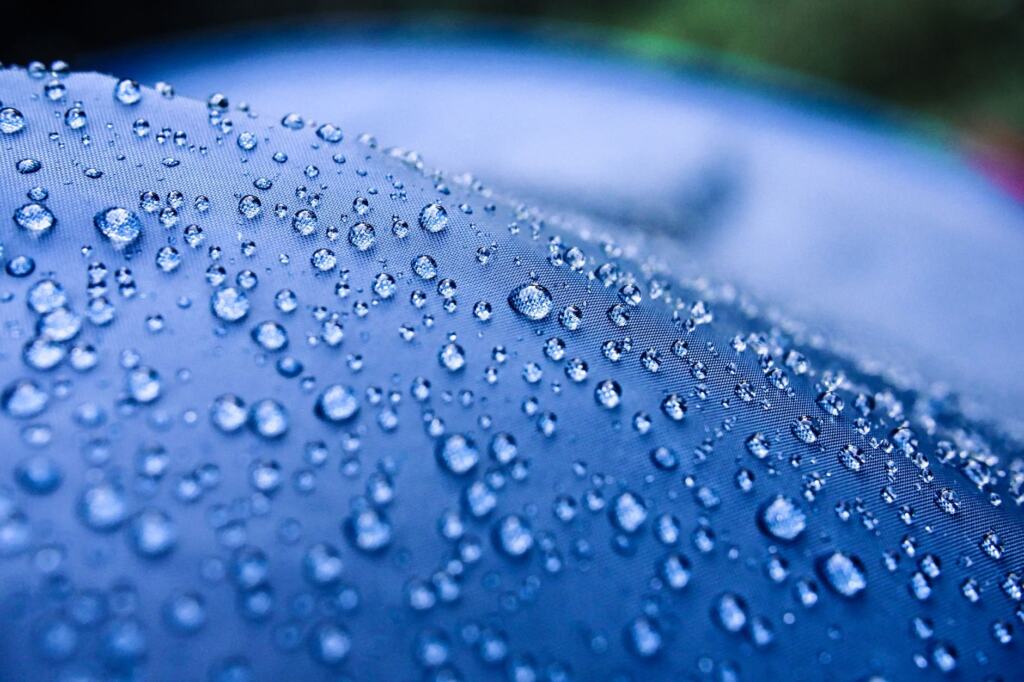
DWR does not last forever and needs to be revitalised or renewed regularly. The ratings guide recommends applying a new layer as soon as water is no longer beading on the jacket. That makes beading the practical test for a jacket that has started to wet out: if the outer fabric no longer sheds water, the finish has worn and needs reproofing. The maker’s care label is the place to check how to wash and reproof a particular jacket.
Seams, zips and hood for wind and rain
Taped seams
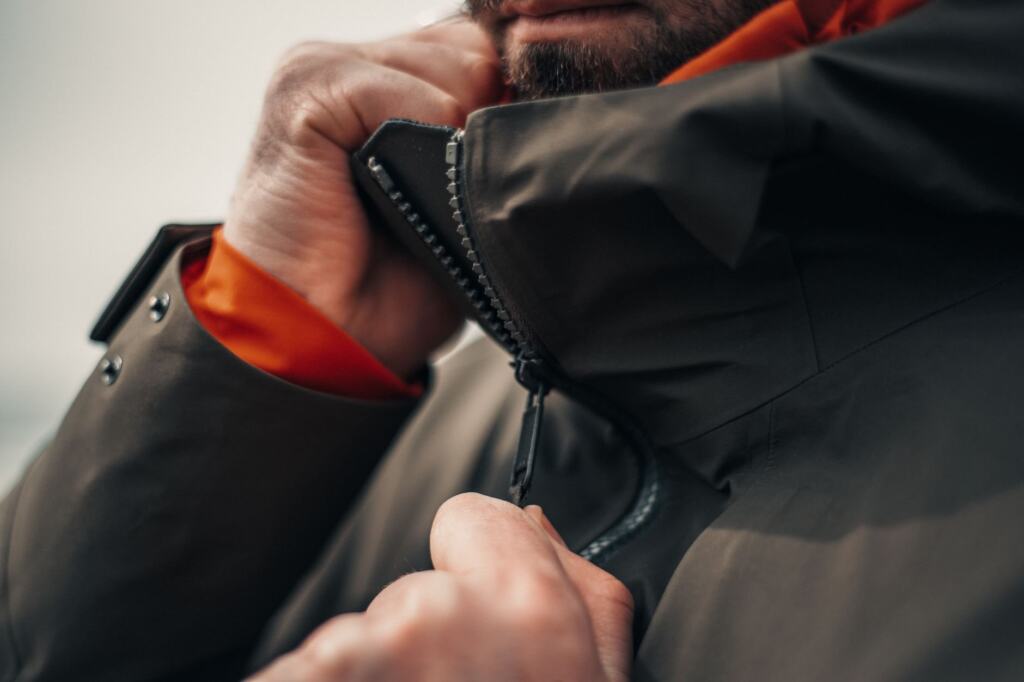
Seam taping decides whether the stitching lets water through. Jackets that are critically taped only have sealing tape in exposed areas such as the shoulders, neck, back and chest, while fully taped jackets have every seam sealed, as the ratings guide explains. For sustained Scottish rain, fully taped is the safer pick. Critically taped is a reasonable compromise only for shorter or less exposed outings.
Hood design
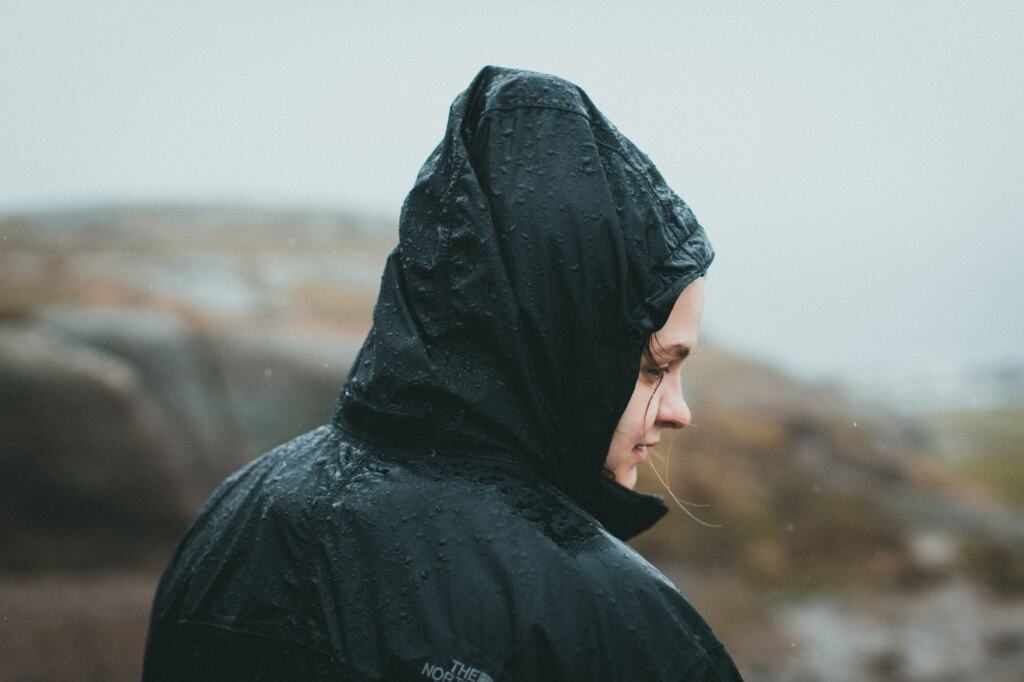
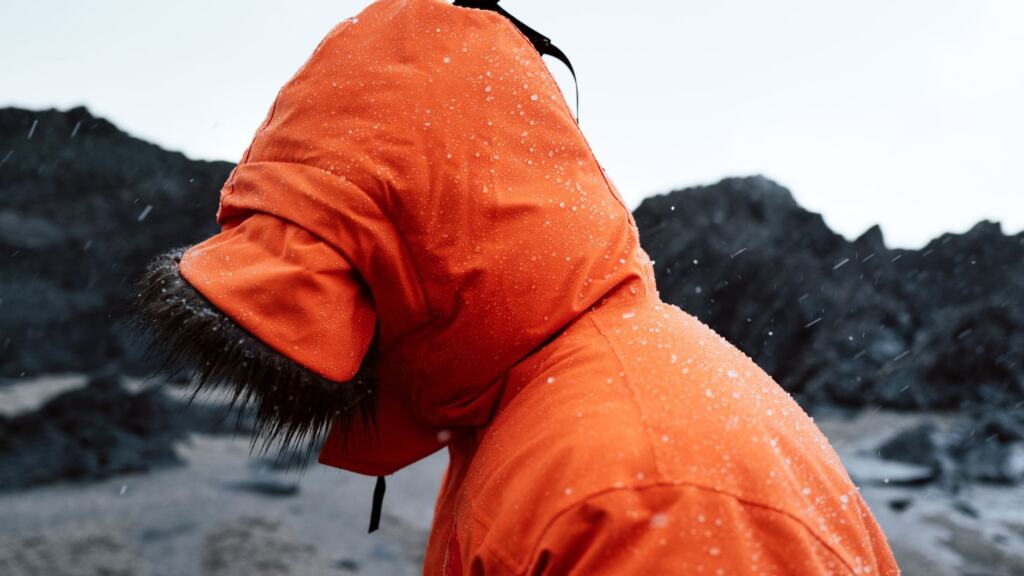
In wind the hood does most of the work, and the main test is that it allows the wearer to look all around without restriction, according to Outdoor Action’s guide. A hood that blocks the view or sits loose in a gust is a poor fit however good the fabric. Try it on with the hood up and turn the head side to side before buying. Hood size is also where protection trades against weight, which is why the smallest hood suits lighter shells.
Decision checklist
- Shortlist by build. Keep only jackets whose construction and published ratings meet the thresholds above.
- Check the seams. Choose fully taped over critically taped for long wet days.
- Test the hood. Wear it up and turn the head fully before committing.
- Compare weight and packed size. Use each maker’s own listed figures, not the category.
- Plan the upkeep. Outdoor Action’s guide advises choosing a jacket that is durable, can be maintained and will not be quickly outgrown.
- Finish the system. A jacket only covers the upper body, so pair it with the best walking boots for Scotland.
Frequently asked questions
Does Gore-Tex come with a guarantee?
Outdoor Action’s buying guide cites the Gore-Tex ‘Guaranteed to Keep You Dry’ promise and describes it as one of the best warranties in the industry. That warranty is a reasonable extra reason to choose the brand.
Are pit zips worth having on a walking jacket?
Pit zips add weight and some people find them uncomfortable, according to the buying guide. They suit walkers who run hot and accept the weight, and they are an easy feature to skip on a lightweight shell.
Can breathability ratings from different brands be compared?
Only with care. There is a huge number of different standards and methods used to determine breathability, so results can contradict each other. Compare figures that use the same method, or the same scale such as RET.
Does a PFC-free water repellent finish perform differently?
Yes. The buying guide says PFC-free finishes repel oil and dirt less well and require more regular reproofing to maintain performance, so they suit owners willing to keep up with the upkeep.
Does a higher denier mean a tougher jacket?
Usually, yes. A greater denier, such as 40D or 80D, means greater fibre diameter and typically indicates a more durable fabric, according to Outdoor Action’s guide.