Quick answer: Do walking gaiters work in mud and bog? Yes, for keeping mud off boots and legs, but they are not watertight, so water still gets in if the leg is submerged.
The wider kit comparisons sit in the walking gear reviews. This guide covers lower-leg protection on wet, muddy ground: what gaiters handle, where they fail, which specifications matter and when they are worth carrying.
What gaiters do in mud and bog
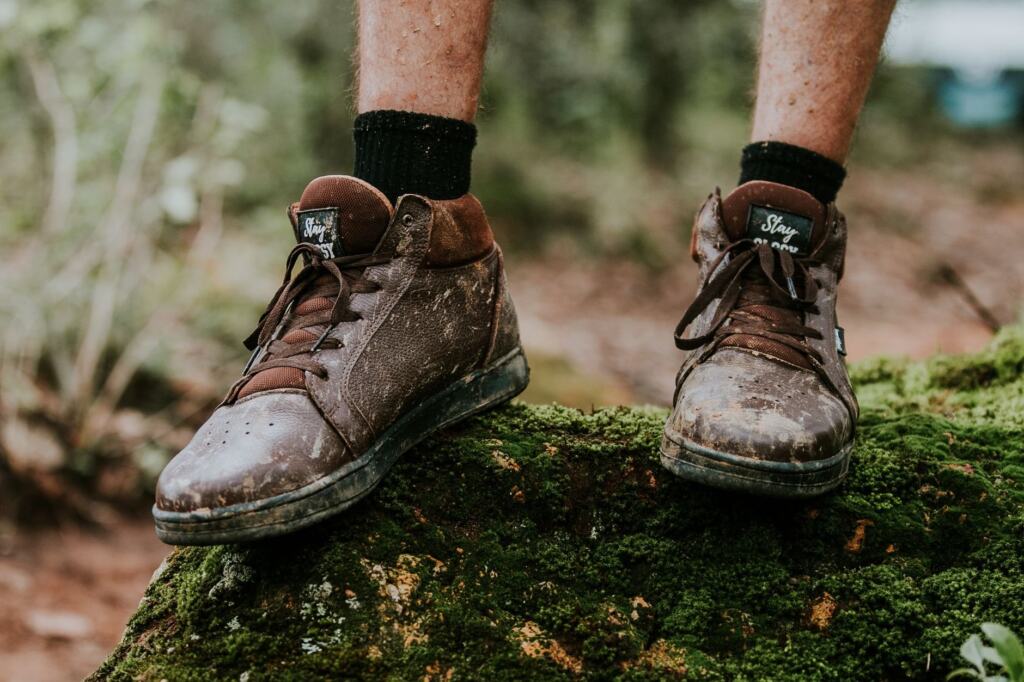
Gaiters protect boots and lower legs and keep trail debris out of footwear, according to Wilderness magazine’s gaiter buyers’ guide. In mud, that means the gaiter takes the splashes. Those splashes would otherwise reach the boot upper, the sock cuff and the trouser leg.
Mud on ordinary paths
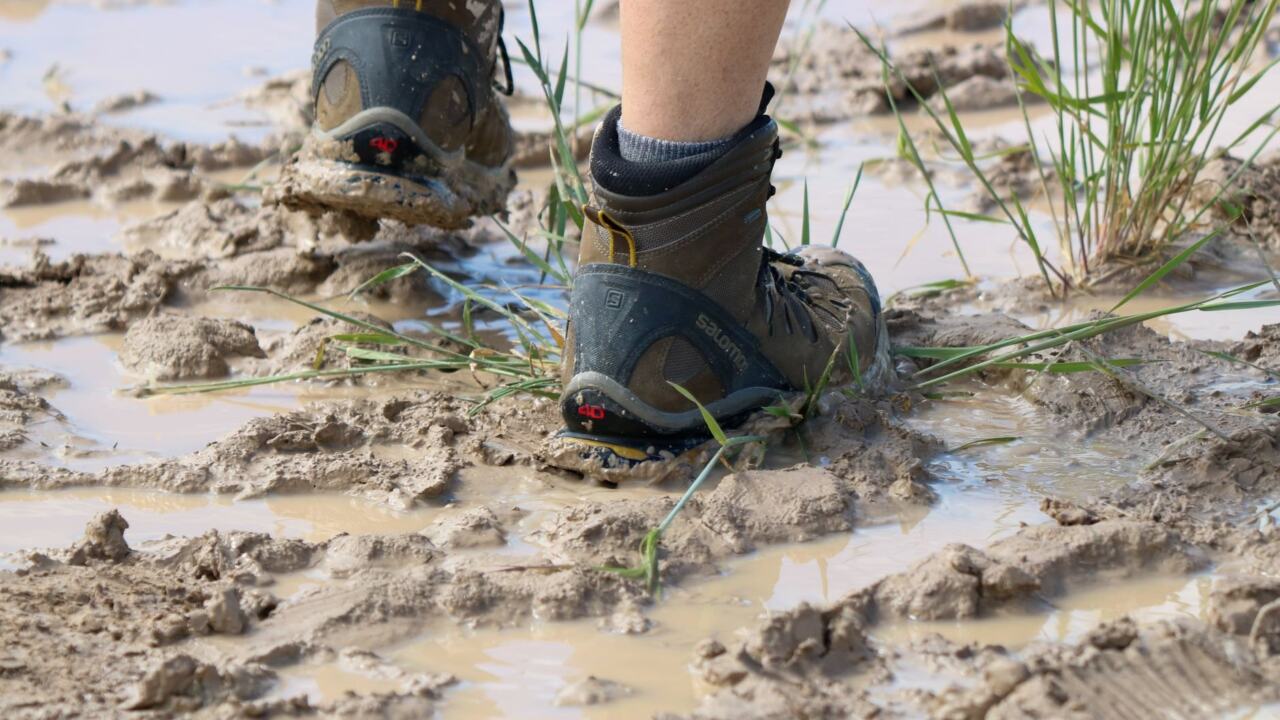
A hiking writer at We Are Explorers reports that most of the mud ends up on the gaiters rather than on boots, trousers or legs. A gaiter is also easy to rinse or dry-brush clean. That makes gaiters a tidy answer to churned path surfaces. They suit walkers who want to finish a muddy walk without caked boot tops or soaked cuffs.
Standing water and bog depth
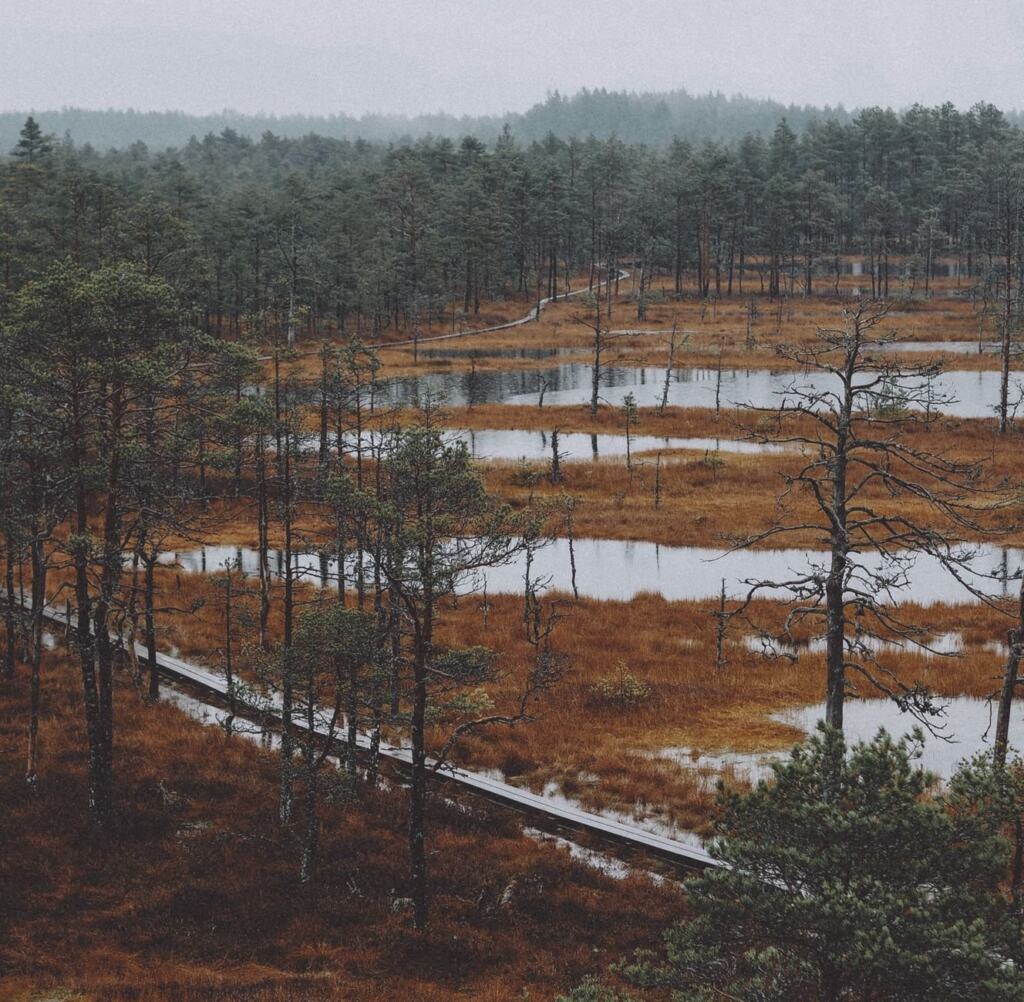
The firm limit is that gaiters are not watertight, so water will get in if the leg is submerged, as the same We Are Explorers piece states. That limit shapes what to expect in peat bog. Contributors to a UKClimbing forum thread about gaiters on the Coast to Coast described bog at the top of Dent where a walker would sink to ankle depth in short boots. Another contributor felt there was nowhere likely to swallow normal boots.
Those two views are compatible. Ankle-deep ground sits within a gaiter’s coverage, but water that rises above the gaiter top will still enter. Treat gaiters as protection against splash, spray and brushing through wet ground. They are not a substitute for wading gear, and a deep, standing-water crossing is better avoided than tested.
Overtrousers and boot tops
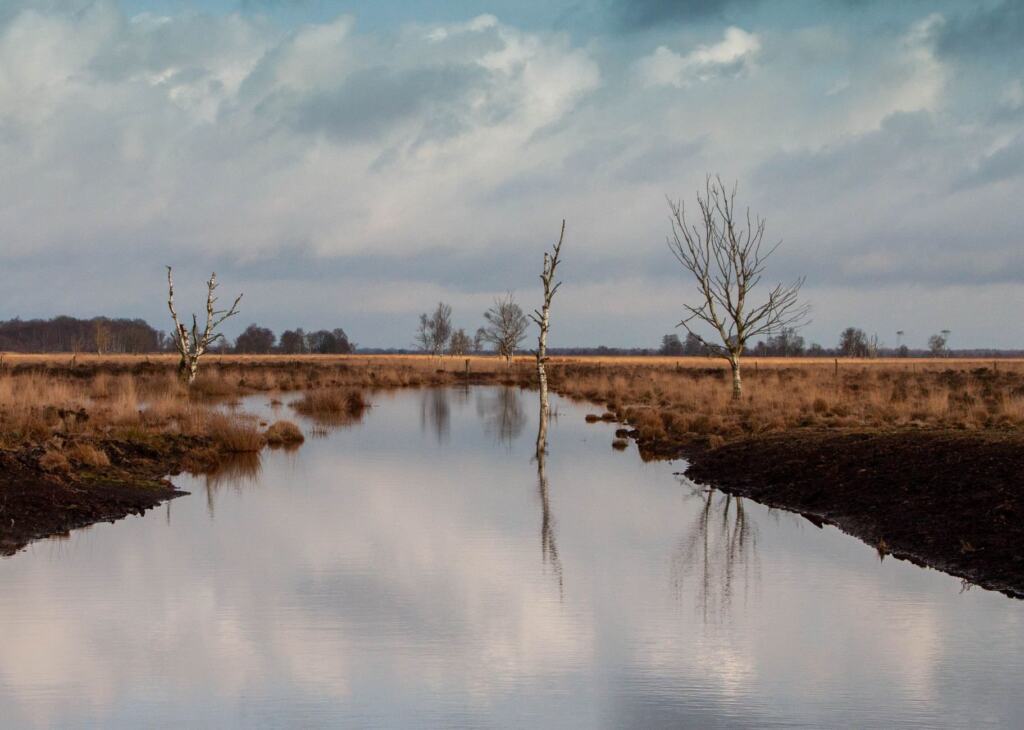
Gaiters also solve a problem that waterproof trousers create. A UKClimbing contributor noted that overtrousers are great but tend to funnel water into the tops of boots when there are no gaiters underneath. If overtrousers are part of the wet-weather kit, a gaiter at the boot top counters that. The waterproof overtrousers review for hill walking covers the trouser side of that pairing.
Choosing height, fabric and closure
Three specifications decide most gaiter choices: fabric, front closure and height. The table sets out what the evidence supports and how to use it when choosing.
| Feature | What to expect | Planning use |
|---|---|---|
| Fabric | Most gaiters use waterproof and breathable ripstop nylon or canvas | A sound baseline for wet grass and mud. Treat the breathable label as a help rather than a cure for sweat. |
| Zip front closure | More secure and tidy | Suits rough, boggy ground and long days when the gaiter must stay in place. |
| Velcro front closure | Simpler to remove | Suits walkers who take gaiters on and off as conditions change. |
| Height | Taller gaiters protect better against taller vegetation | When undecided, go taller for long wet grass and scrub. |
| Watertightness | Not watertight; water enters if the leg is submerged | Keep out of deep standing water rather than relying on the fabric. |
Fabric and closure details come from Wilderness magazine, while the height advice and the watertightness limit come from We Are Explorers.
Closure is the easiest choice to get wrong. A zip rewards the walker who sets the gaiters once and forgets them. Velcro rewards the walker who expects to strip them off between bog and dry path. Height is the choice with the clearest rule: more height means more cover, and the more overgrown the ground, the more that matters.
Hillwalking: carry them or leave them
For ordinary hillwalking, gaiters are conditional kit rather than essential kit. One UKClimbing contributor found them handy in long wet grass but mostly did not bother with them. Another called them essential for one of the wettest parts of the UK. The We Are Explorers writer settles the matter by assessing whether either the terrain or the weather makes them a must before setting out.
- Wear them for: bog, long wet grass and very wet weather. These are the conditions where the forum views above agree gaiters earn their place.
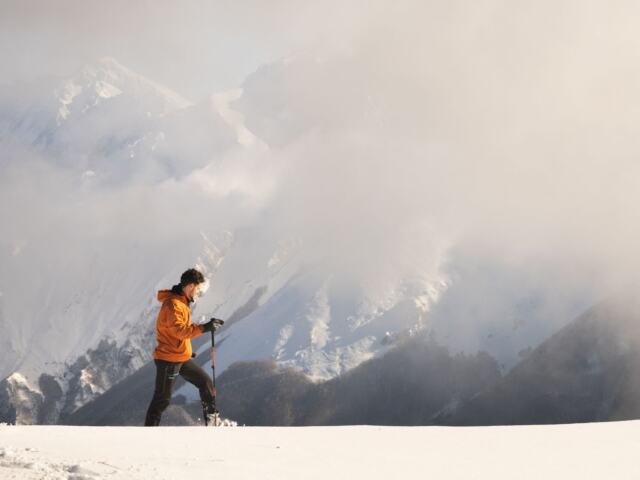
- Add them for snow: boots do not soak as quickly while wading through snow when gaiters are fitted, according to We Are Explorers.
- Leave them behind when: neither the route nor the forecast calls for them. The cost is a little extra kit and a fiddle at the boot top, which only pays off if the ground is wet.
- Decide at the planning stage: a quick look at the route and the forecast before leaving is a better guide than the habit of always wearing them or never wearing them.
Coastal path walking
On coastal paths the case for gaiters rests mainly on wet grass rather than bog. The UKClimbing contributor who found gaiters handy in long wet grass is the closest match for a grassy clifftop or dune-edge path after rain. Taller gaiters suit taller vegetation, so a taller pair is the safer pick for overgrown stretches.
The practical approach is to carry gaiters on days with a wet forecast and put them on when the grass is long and dripping. Short, dry-surfaced sections do not need them, and a gaiter with a quick Velcro front makes that on-and-off routine easier.

Heat, sweat and warmth
Gaiters can make legs sweaty, and the evidence points to season as the deciding factor. A UKClimbing contributor reported that in summer gaiters just lead to sweaty legs. The fabric is described as waterproof and breathable, yet that did not prevent the complaint.
Cold weather reverses the picture. The We Are Explorers writer finds shorts with gaiters definitely feel a bit warmer on cold early spring and autumn mornings, and says gaiters keep ankles warm in freezing temperatures, which can make the difference between comfort and cold. The sensible rule is to wear them in summer only when the ground demands it, and to treat the extra warmth as a bonus in cold months.
Fitting walking gaiters
A gaiter does its job only if it sits over the top of the boot, where debris would otherwise enter. Fit it before reaching the wet section rather than halfway into it.
- Lace the boots first. Fasten them as normal so the boot top is settled before anything goes over it.
- Open the front closure and wrap the gaiter around the lower leg, over the boot top.
- Close the zip or Velcro along its full length so no gap is left at the front.
- Secure any strap or fastening the particular model uses at the boot, following its instructions.
- Check the boot top once while walking, then adjust before the next wet stretch.
Troubleshooting
- Mud still reaching the boot top: check the front closure is fully shut, then consider a taller pair if the ground is overgrown.
- Gaiters awkward to remove: Velcro is simpler to remove than a zip, which suits changeable conditions.
- Everything else getting wet: gaiters only cover the lower leg. Pack protection is a separate decision, compared in rucksack rain cover vs dry bag liner.
Frequently asked questions
Do gaiters help in snow?
Yes. We Are Explorers notes that gaiters slow how quickly boots fill with water when you wade through snow.
Do gaiters protect against crampons?
They protect trousers from crampon catches. Some mountaineering boots come with built-in gaiters, but that, according to the same source, makes for pretty hot feet.
Do Gore-Tex boots make gaiters unnecessary?
Not necessarily. One UKClimbing contributor called Gore-Tex-lined boots the worst choice for the temperate, very wet UK climate because they stay wet once soaked. That is a personal view, but it shows why a gaiter, which covers the boot opening, still has a role.