| Situation | Sock build to look for | Planning use |
|---|---|---|
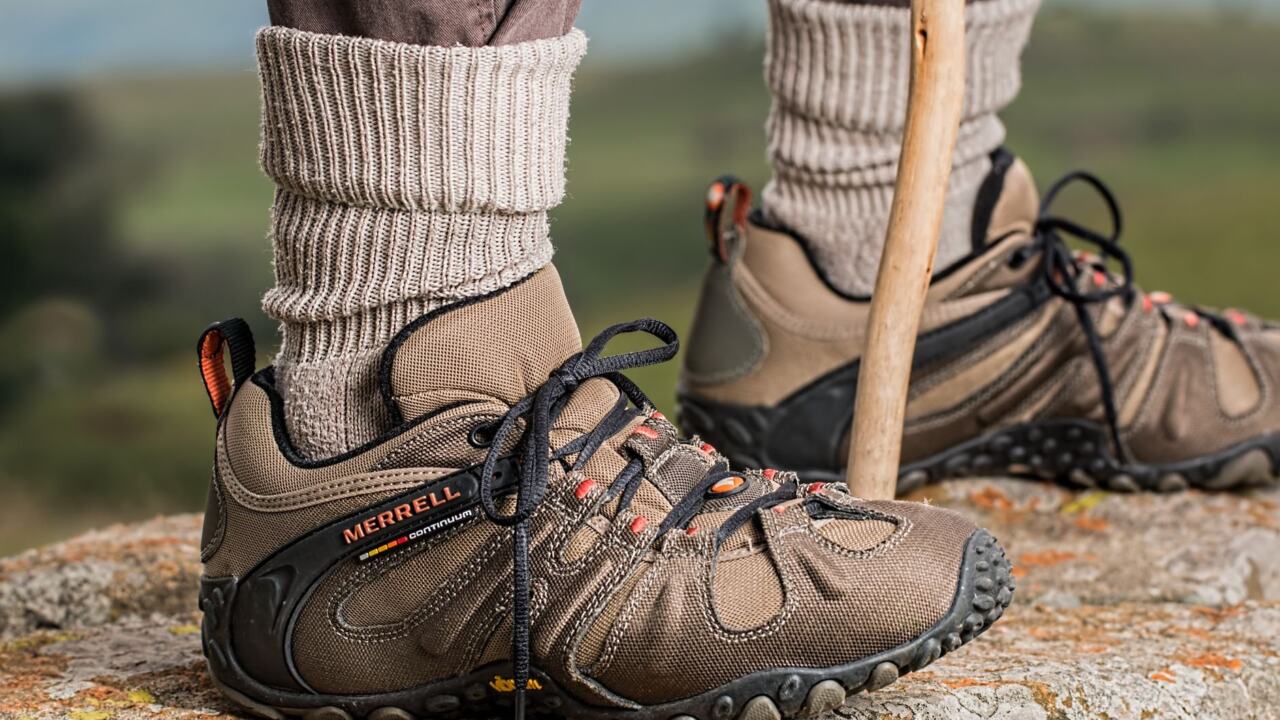
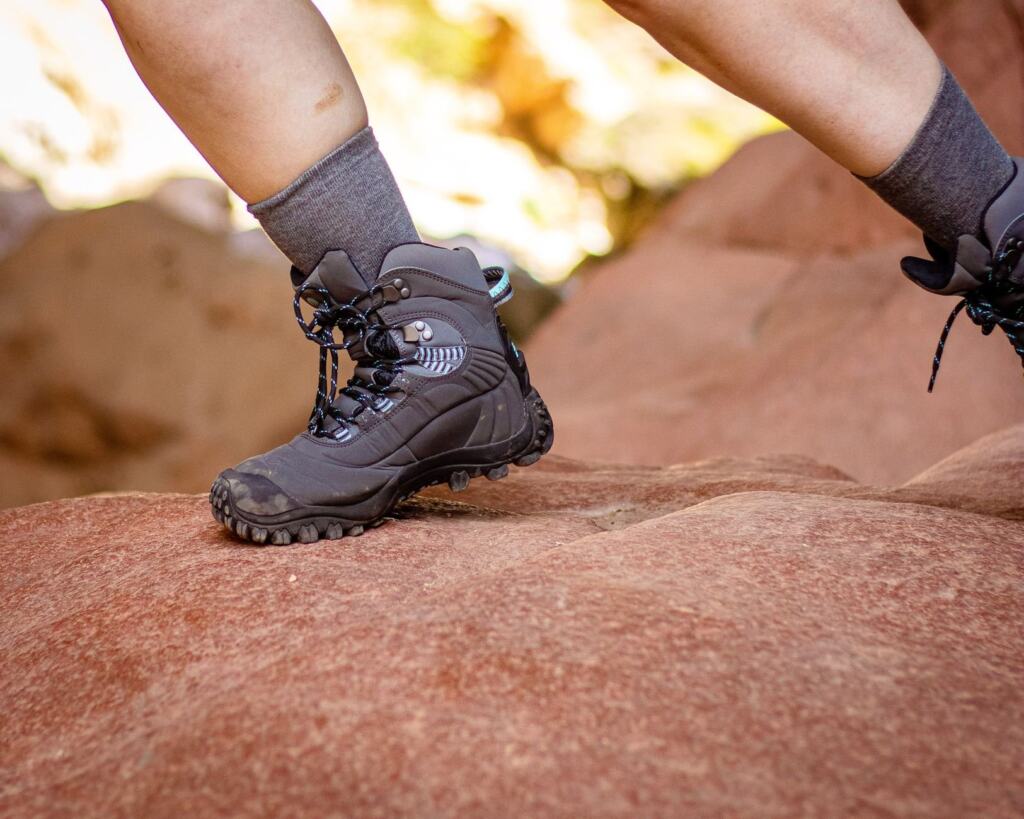
| Everyday boot walking | Merino-synthetic blend with padding at the heel and ball of the foot, crew height | The default choice. The cuff should sit several inches above the boot. |
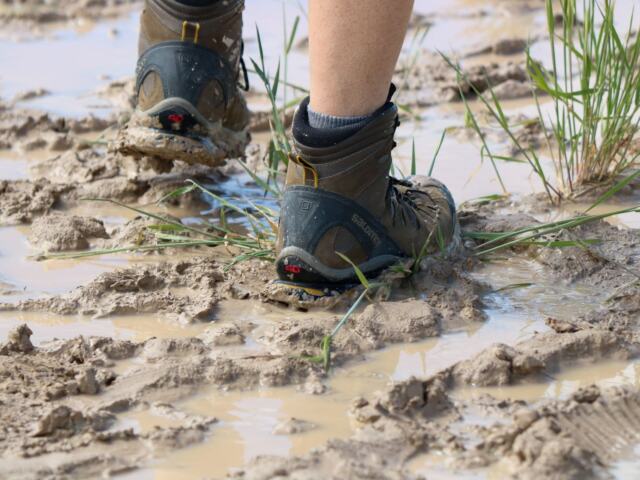
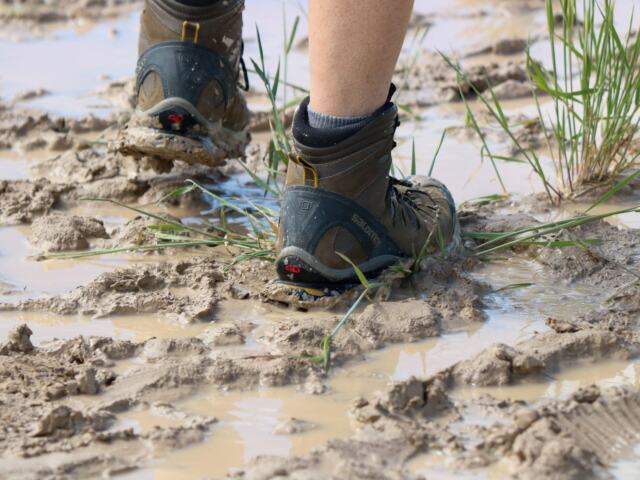
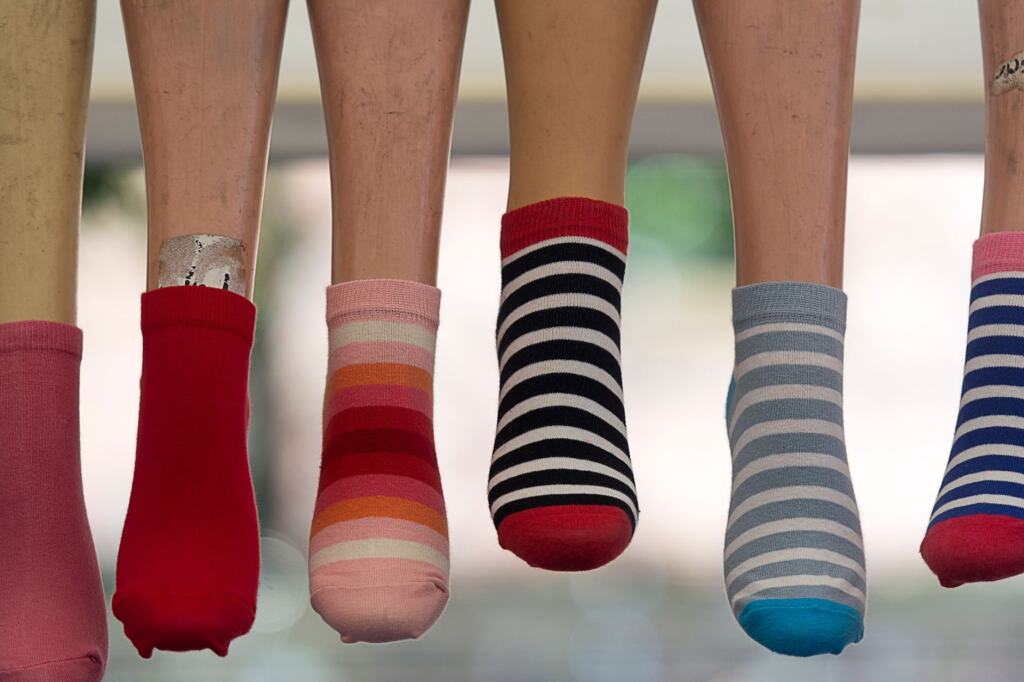
| Wet, muddy days | Merino blend or fully synthetic, never cotton | Cotton absorbs water and dries slowly, so leave it at home. |
| Blister-prone feet | Thin liner under a medium-weight merino blend outer, flat or seamless toe | The layers move against each other instead of against your skin. |
| Snug, lightweight footwear | Thin socks | Thick socks compress the foot in a boot designed for a thin sock. |
| Tight budget | Synthetic or wool blend | Synthetic is generally cheaper, and a wool blend boot sock is listed at £8.95 per pair. |
For trekking socks, see the trekking sock guide, and for boot-specific fit, see the boot sock guide. A Gemjar wool blend boot sock is listed at £8.95 per pair.
The best walking socks for most boot walkers are a merino-synthetic blend with padding at the heel and ball of the foot. Skip cotton on wet days, and match thickness to how snugly your boots fit.
Choosing socks is one of the cheaper decisions in our walking gear reviews, but it shapes how a whole day feels. The sections below are grouped by the situation you are likely to be in, so jump to the one that matches your walk.
Everyday boot walking
For ordinary walks in boots, a blend of merino and synthetic fibre is the safest starting point. It balances comfort against durability and cost better than either fibre alone.
Merino-synthetic blends
Blend labels show what you are paying for. One listed Lasting Sport merino trekking sock is 80% merino wool, 13% polyamide and 7% Lycra, and it was priced at CAD 18.99 per pair at the time of writing. A trekking guide gives 60% merino wool, 30% nylon and 10% spandex as an example of a typical premium blend.
Both examples are majority merino with a synthetic share. That matters because the same guide credits merino with temperature regulation, while synthetic fibre is credited with quick drying, high abrasion resistance and a lower price. A blend takes some of each. It suits walkers who do a mix of dry and damp days and do not want to replace socks every season.
Padding where boots rub
Real walking socks put their cushioning in zones. The trekking guide describes extra dense padding knit into the heel and ball of the foot, the areas that take the most impact. Its heaviest category, heavy cushion, is the thickest with the highest insulation and padding.
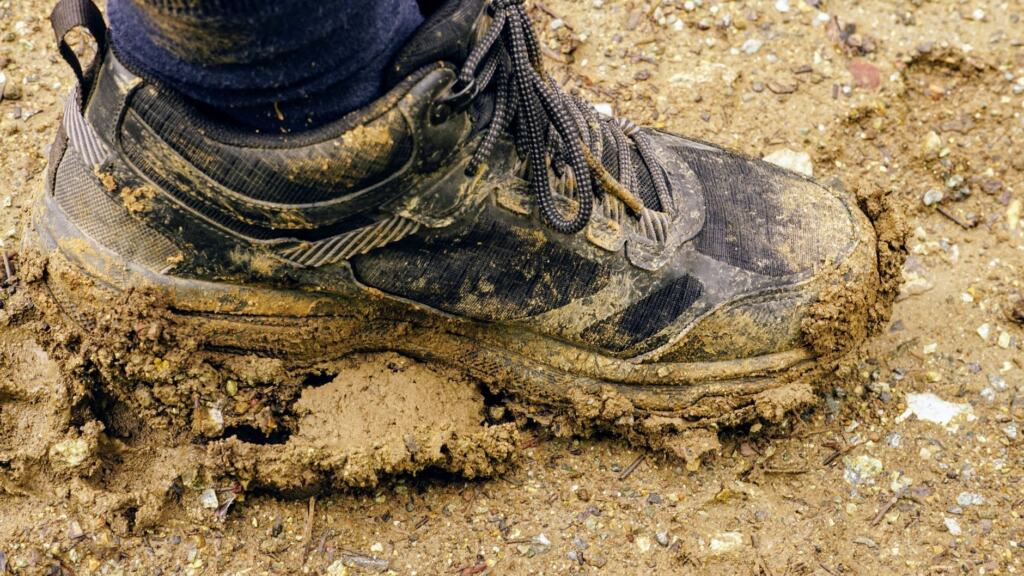
Look at where the padding is before you judge a sock by thickness alone. A sock with padded heel and forefoot zones keeps the rest of the foot less bulky, which helps in boots that are already close-fitting.
Wet and muddy days
Wet ground is the main reason sock fabric matters. The choice comes down to avoiding cotton and then deciding between merino and synthetic.
Why cotton fails
Cotton is the fabric to rule out. The trekking guide calls it hydrophilic, absorbing sweat or water like a sponge, and slow to dry. It also loses nearly all of its insulating properties when wet. A wet cotton sock in a wet boot has little left to offer in warmth or comfort.
Merino or synthetic when conditions are damp
Merino is better as an all-rounder, and synthetic is better where drying speed, abrasion and cost matter most. Merino brings temperature regulation, which is useful when you warm up on a climb and cool down on an exposed ridge. Synthetic socks dry quickly and resist abrasion, which suits muddy, gritty walking and frequent washing.
If you walk in changeable weather, a merino-led blend is the better bet. If you mostly want a cheap, hard-wearing sock for short wet outings, a fully synthetic one is reasonable. The same logic carries over to the layers above your socks, which we cover in our guide to the best base layers for walking.
Waterproof socks
Waterproof socks are a separate product type from the fabric builds ranked here, so this list does not recommend a particular waterproof model. For wet days, the choices this list does back are a quick-drying synthetic or a merino blend, never cotton. Add a liner layer if your feet rub, as explained below.
- Choose merino blend if your days swing between effort and standing around, because it regulates temperature.
- Choose synthetic if you want fast drying, abrasion resistance and a lower price.
- Avoid cotton in every wet-weather situation.
Blister-prone feet
Blisters come from friction and pressure, so the fix is a sock system that reduces both. Fibre choice helps, but layering and seam placement do more here.
Liner plus outer sock
A two-sock system suits walkers who blister despite well-fitted boots. The trekking guide describes a liner sock worn directly against the skin to wick moisture, with a medium-weight merino blend outer worn over it. The two layers move against each other, reducing the friction that occurs against your skin.
The trade-off is volume. A liner adds bulk inside the boot, so test the combination on a short walk before a long day, and check it against the thickness guidance below.
Toe seams and pressure points
Look at the toe. A seamless toe box has a flat or non-existent toe seam to prevent rubbing and pressure points. If your blisters tend to appear on the toes, this is a cheap feature to check on the label before you buy.
Matching thickness to your boots
Sock thickness should suit the boot rather than the weather alone. A sock that is too thick squeezes the foot, and one that is too thin lets it move.
Snug, flexible footwear
A boot guide states that the right thickness is the one that fills your boot’s internal volume without compressing your foot. It adds that a flexible trail runner or lightweight hiker runs snug and is designed to be worn with a thin sock. If you walk in that kind of footwear, a thin sock is the right match, even in cool weather.
Stiffer, roomier boots
Fuller boots have more internal volume to fill, so a more cushioned sock makes sense there. The trekking guide places heavy cushion at the top of its range for insulation and padding. Choose that level only if the boot still closes comfortably over it.
Walking socks versus normal socks
Walking socks are worth it for boot walking, because they add features ordinary socks are not built around. The padding sits at the heel and ball of the foot, the toe seam is flat or absent, and the fibres cope with moisture.
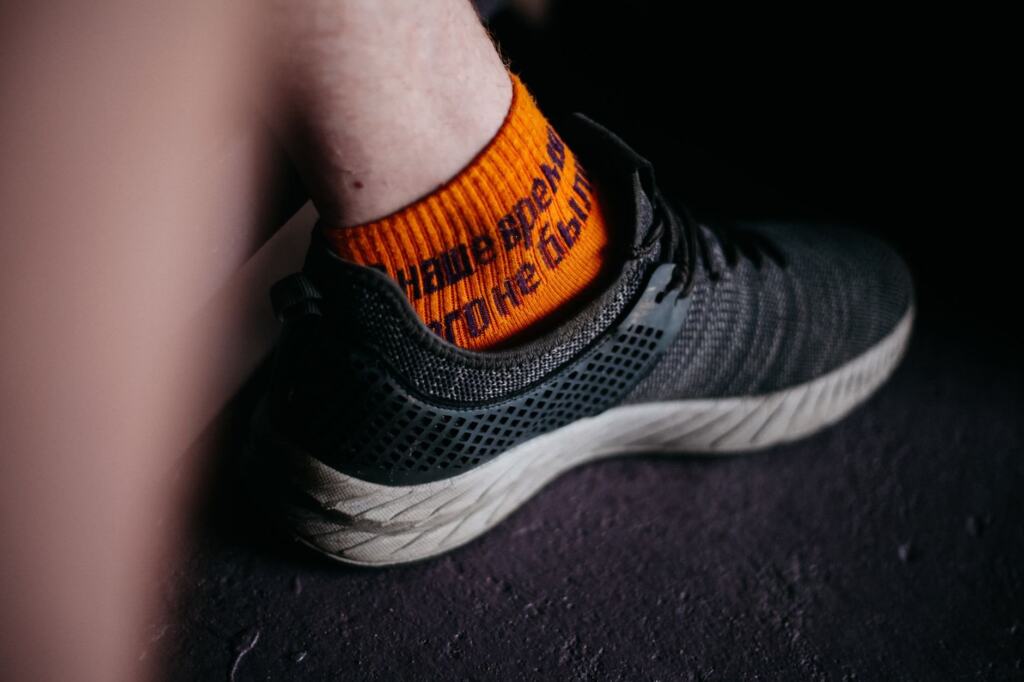
If you walk regularly in boots, switching is a small cost for a noticeable change in comfort. If you are choosing between several walking socks, the earlier sections give the order of priorities. Fibre first, then padding location, then thickness against your boot.
Budget and price
You do not need to spend much to get a sensible walking sock. A wool blend boot sock is listed at £8.95 per pair, while the merino trekking sock mentioned earlier was listed at CAD 18.99 per pair at the time of writing. These prices are in different currencies and from different retailers, so compare within one shop rather than across them.
On cost alone, synthetic is generally cheaper than merino. A pragmatic approach is to buy a synthetic or wool blend pair first and move to a higher merino content once you know which boot and thickness combination works for you.
Pairing socks with other kit
Socks are one part of a comfortable walking setup. Once your feet are sorted, our guide to the best walking poles covers another piece of kit worth considering.
Frequently asked questions
| Question | Answer |
|---|---|
| How can I tell a sock is too thin for my boots? | Walk downhill and watch your heel. A boot guide says that if your heel lifts more than a few millimetres, the sock is too thin for that boot. |
| How high should a walking sock sit? | Crew height socks must be several inches higher than your trekking boots, so the cuff stays clear of the boot collar. |
| Does merino really reduce odour? | A retailer listing for a merino trekking sock says wool has excellent antibacterial properties and reduces unpleasant odors. A trekking guide also lists odour resistance among merino’s strengths, which is a reason to prefer it on multi-day walks. |