For the rucksack rain cover vs dry bag liner choice on a daypack, the liner is the safer pick. It keeps contents dry in rain, stream crossings and wet set-downs. A cover only shields the pack’s outside, so it works best as a backup.
The table below compares them on the points that decide wet-weather walks. More testing of other gear is collected in our walking gear reviews.
Side-by-side comparison
| Criterion | Rain cover | Dry bag liner | Planning use |
|---|---|---|---|
| What it protects | The outside of the pack, usually only the front, leaving shoulder straps and hip belt uncovered | The gear inside, whatever happens to the outside of the pack | Choose a liner when contents matter more than the pack fabric |
| Wind-driven rain | Rain can get up underneath at the back panel | Unaffected as long as the closure is sealed | Exposed, blustery routes favour the liner |
| Stream crossings and standing water | Does nothing once the pack is forded or set down in water | Contents stay dry through crossings or a wet set-down | Any route with fords needs a liner |
| Putting it on | Pulled over the pack with an elastic hem; fit matters | Packed inside; closure must be used as directed | A cover is faster to deploy mid-walk; a liner is set up at home |
| Cost | Dedicated product | Dedicated product, or a sturdy bin liner at close to no cost | A bin liner is the cheapest start |
Comparisons draw on Section Hiker’s cover review and Compact Camping Collection’s cover-or-liner guide.
Where a rain cover fails
A rain cover goes wrong in three ways: it comes loose, it leaves part of the pack exposed, and it does nothing when the pack is wet from below or from long exposure.
Why a rucksack rain cover blows off
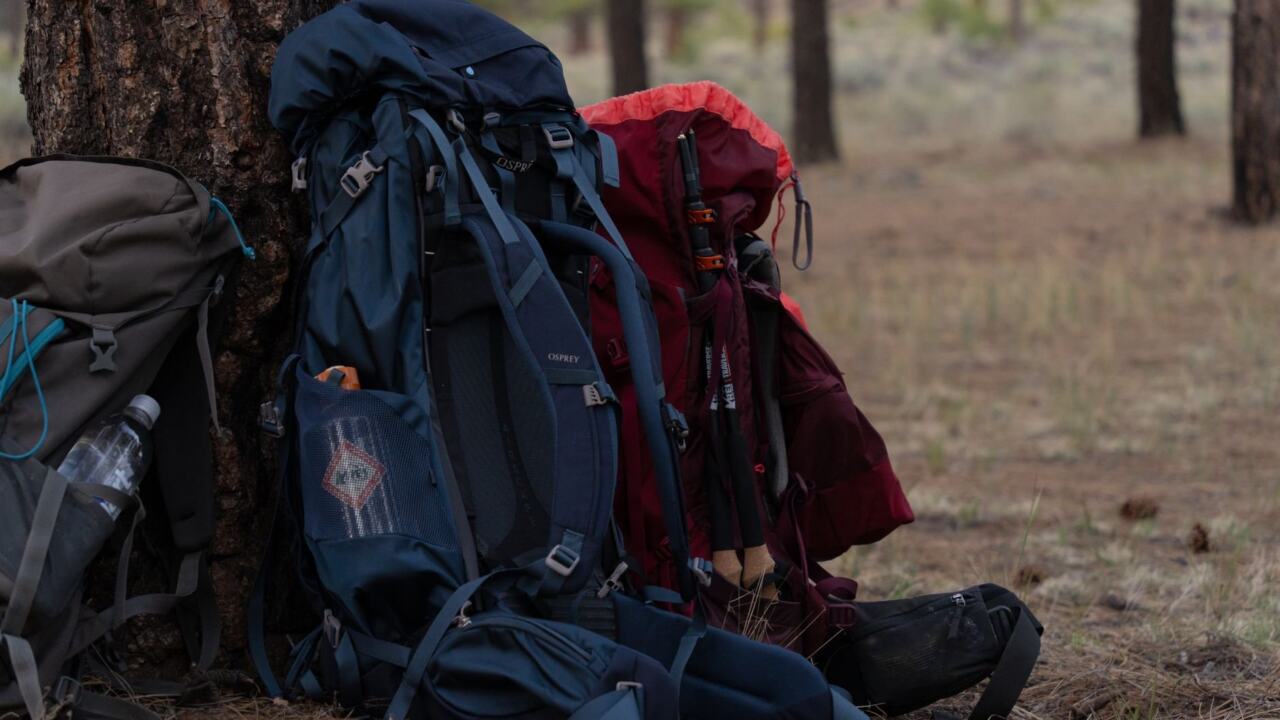
Covers stay on by way of an elastic hem that cinches underneath. When that hold is poor, wind gets underneath and the cover works loose. The main avoidable cause is size. A cover that is too large will flap loose and may snag. Rain covers are generally sized by pack volume in litres, so match the cover to the pack’s stated capacity rather than buying one size up for safety.
On a daypack, check that the elastic hem, or any cord or clip adjustment, pulls tight under the base. A cover that sits snug at home will usually behave better on an open headland. If a cover keeps lifting, treat it as the wrong size or a worn hem rather than a gust problem.
Water still getting in at the back panel
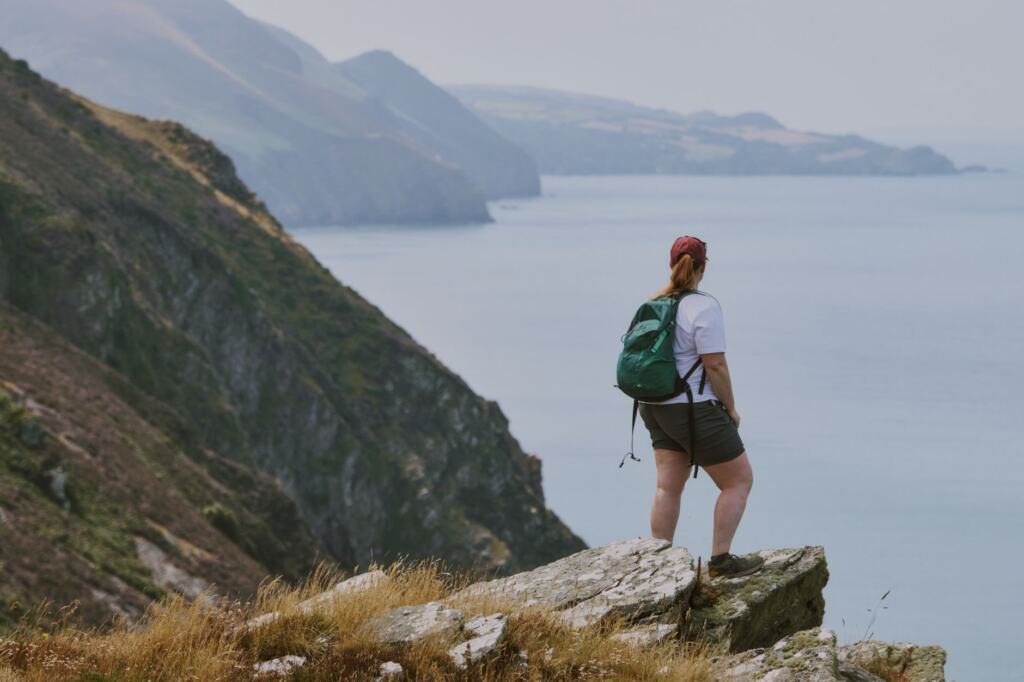
Yes, water can still get in. Most covers shield the front of the pack and leave the shoulder straps and hip belt uncovered. The gap for those straps and the belt is where wind-driven rain can get up underneath the cover at the back panel.
Seams add a second route. The seams of an ordinary pack create needle holes that can leak if the outside of the pack gets wet, and one reader reported that bag and gear were still wet after rain that went on for a while. A cover on its own is therefore weakest in exactly the long, wind-blown downpours it is bought for.
How a dry bag liner works
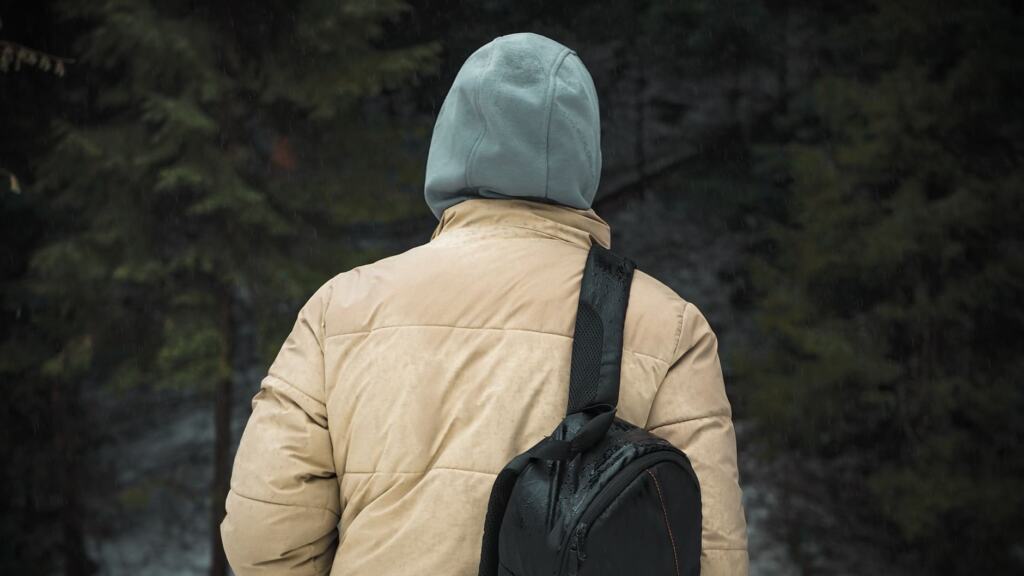
A dry bag liner is a waterproof bag sitting inside the pack, so it does not depend on the outside staying dry. The gear inside stays dry through rain, stream crossings, or a pack set down in the wet, which a cover cannot match. A cover will also not keep contents dry if you slip or stumble during a stream ford.
The condition is the closure. A dry bag resists water only when its closure is used as directed. For a roll-top closure that means rolling it fully and fastening it, not folding the top over loosely. A liner packed carelessly gives false confidence, so seal it at the start of a wet walk and re-seal after each time it is opened.
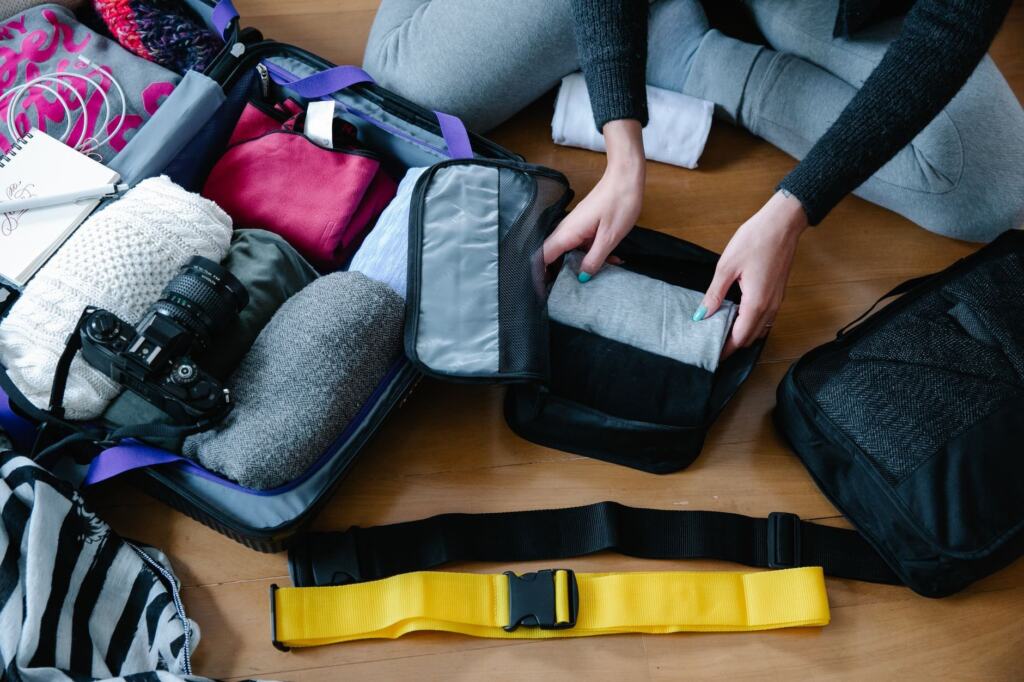
The usual workaround for leaking packs is the one many walkers already use. Gear goes in waterproof stuff sacks, or the pack interior is lined. A single liner suits a daypack with a simple main compartment. Several smaller dry bags suit anyone who wants to keep dry spare layers apart from damp items.
Dry bags for walking
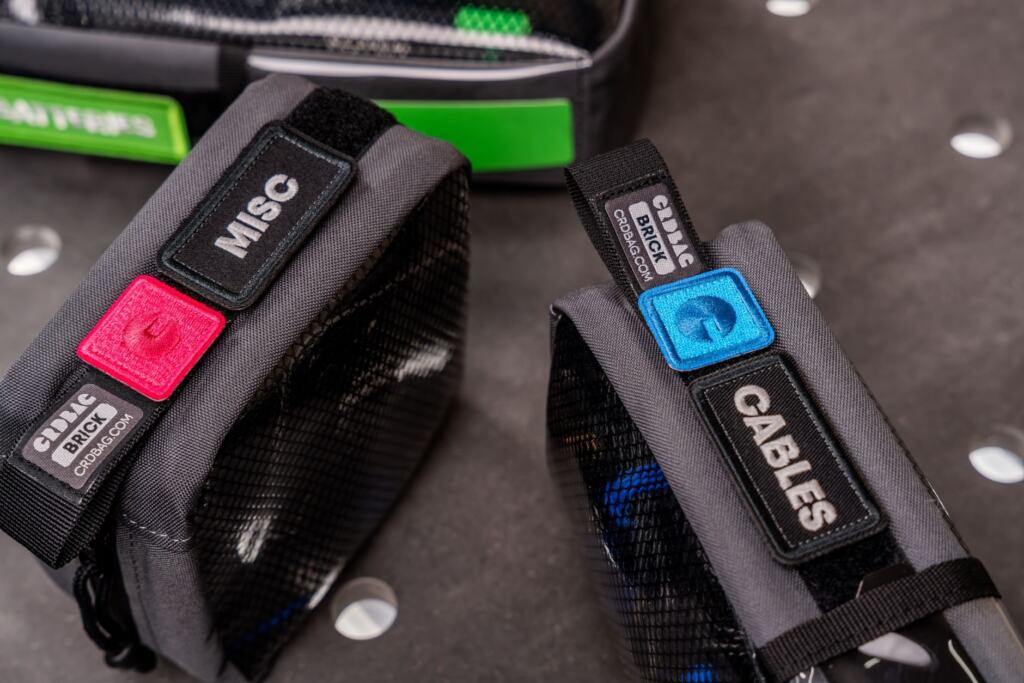
For a walking daypack, the most useful dry bags are roll-top bags sized to the kit they hold. Individual roll-top bags separate wet and dry items and make particular gear easier to retrieve. A full-pack liner protects everything at once but means unrolling the whole bag to reach a map or snack.
- One large liner: suits short walks where the pack is opened rarely and everything must stay dry together.
- A few small bags: suit longer days, because spare clothing, food and electronics can be pulled out without exposing the rest.
- A mix of both: a liner for bulk kit, plus a small roll-top bag for phone and keys that need to be reached quickly.
Fabric, seams and sizes
Covers and liners differ in fabric as well as design. Polyester covers tend to be lighter and dry faster, while nylon often offers slightly better abrasion resistance. Neither fabric is waterproof alone. A PU or silicone coating is what makes either one waterproof. Choose nylon where the cover will rub against rock or brambles, and polyester where weight and drying speed matter more.
Some packs are waterproof in their own right, using fabrics that do not absorb water and have been seam-taped so seams do not leak.
| Cover | Volume range | Weight | Planning use |
|---|---|---|---|
| Granite Gear Cloud Cover (XS) | 30-41 L | 3 oz | The closest fit here for a typical daypack |
| Zpacks Pack Cover (L) | Up to 70 L | 1.7 oz | Lightest listed, but sized for a much larger pack |
| REI Ducks Back Rain Cover (XL) | 90-100 L | 7 oz | Expedition-scale; far too big for a daypack |
Figures come from the Section Hiker cover comparison.
The weights show that a cover adds very little to a pack, so weight is not a reason to skip one. The size column matters more, because an oversized cover is the one most likely to flap and come off.
On cost, a liner can be nearly free if you use a sturdy bin liner instead of a dedicated product. Dedicated liners and dry bags are the step up when a more durable closure is wanted.
Which to choose for a daypack
- Choose a liner if the route involves stream crossings, exposed wind-driven rain, or the pack being set down on wet ground. Contents stay protected in every one of those cases.
- Add a cover if you want the outside of the pack to stay drier. Seam leaks happen when the outside gets saturated, so a cover reduces how much water reaches the seams.
- Use a cover alone only for short, light showers where the pack is not opened and a small leak would not matter.
- Skip the liner only if the rucksack itself is waterproof with taped seams. Even then, zippers can let water in, as the FAQ below notes.
Rain is only part of a wet day. Dry feet and legs are a separate problem, and the question of do walking gaiters work in mud and bog is covered in a separate review. The best walking socks for wet conditions review covers the other end of the leg.
Frequently asked questions
Can a cover and a liner be used together?
Yes, and the pairing covers each other’s weak points. The liner protects contents if water reaches the seams or back panel, while the cover keeps the outer fabric from becoming saturated.
Do I need a liner if my rucksack is waterproof?
A seam-taped, non-absorbent pack resists rain well. Even so, rain can find its way through seams and zippers even when the outer fabric is water resistant. A liner remains a sensible extra for electronics and spare layers.
What cover size fits a small daypack?
Match the cover to the pack’s volume in litres. One brand, VAUDE, sells covers from 6-15 L up to 55-80 L, so small packs have dedicated options. Avoid sizing up, because a loose cover will flap and may snag.
Is a bin liner good enough as a pack liner?
A sturdy bin liner is a low-cost way to line a pack and works as a first step. Its weakness is that it has no roll-top closure, so a dedicated dry bag is the upgrade for frequent wet walks.