
| Supplier | Background | Range | Planning use |
|---|---|---|---|
| New Forest Clothing | Family-run business in the New Forest with over 50 years’ experience in the clothing industry | UK outdoor clothing | Suits walkers who prefer an established UK business and want to compare jacket specifications directly with the maker |
| Canvas & Cotton | Outdoor clothing brought to the UK from France | Vibrant, colourful outdoor range | Suits walkers who want a brighter, more distinctive jacket and are happy to look beyond the usual outdoor brands |
Both suppliers are listed in the GrowMad outdoor clothing directory, which is the basis for the descriptions above.
The best lightweight rain jacket for hiking is the one that balances low carry weight with a hood and cuffs that cope with wind. Compare weight, packed size and price before choosing.
The right jacket depends on where it will be worn, so the sections below work through typical walking situations. More kit comparisons are collected in walking gear reviews.
Windy coastal paths
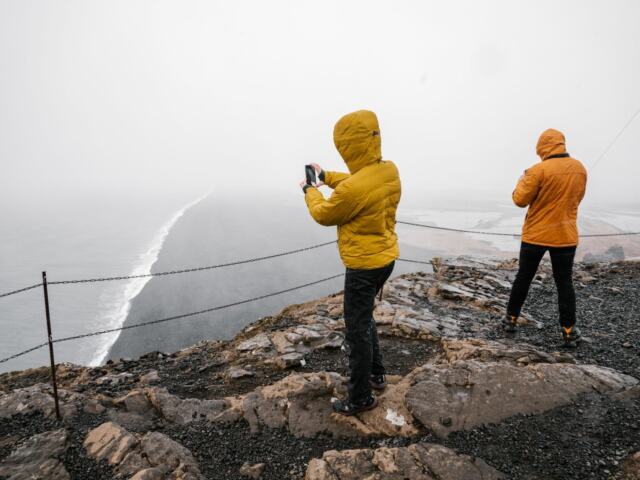
On an exposed coastal path, wind is usually a bigger problem than rain alone. Spray and sideways showers push water at the hood, collar and cuffs, so fit matters more than a headline waterproof claim. A jacket that looks ideal on a hanger can flap and let water in at the neck once the wind picks up.
Judge a coastal jacket by how it behaves when the gusts arrive, not by how light it feels in the hand. The trade-offs are worth weighing honestly:
- Adjustable hood: a hood that tightens around the face stays put in a crosswind, but extra cords and toggles add a little bulk and can rattle.
- Close-fitting cut: a trim jacket flaps less and packs smaller, but leaves less room for a warm layer underneath on a cold day.
- Bright colour: easier to spot on an open headland if the weather closes in, though it may not suit everyone’s taste.
Hill walking and exposed ridges
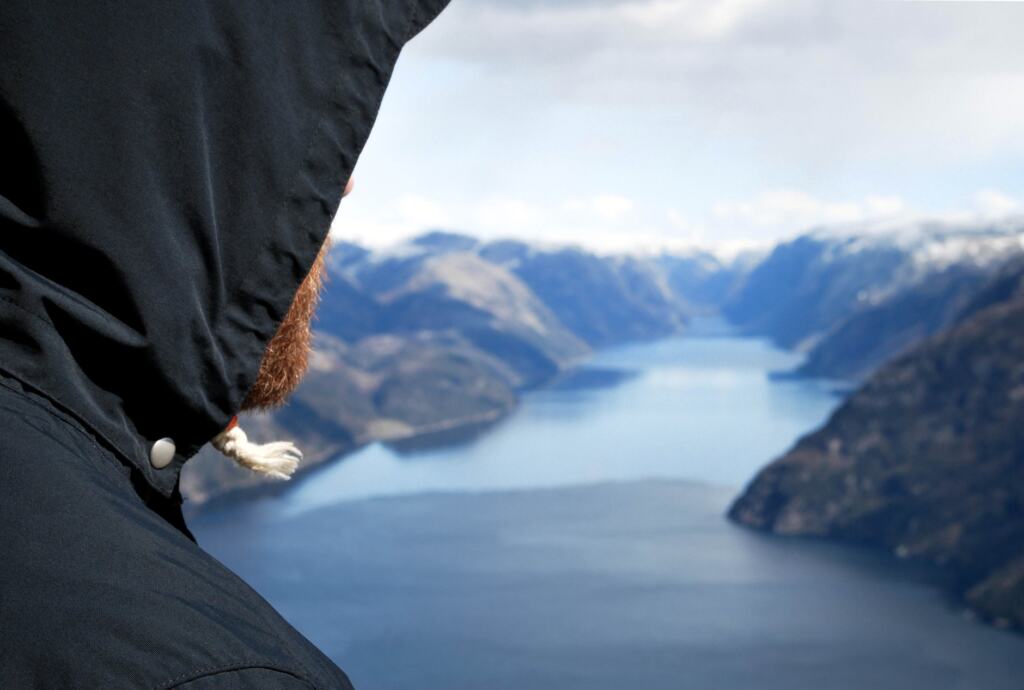
Hill days ask more of a jacket than low-level walks because conditions can change quickly and shelter is scarce. Here the hood is the feature to inspect first. It needs to cover the head without blocking side vision, which matters when watching footing on a ridge or in cloud.

Lightweight jackets suit hill walkers who move steadily and carry the jacket for most of the day. They are less convincing for long stationary periods in poor weather, where a heavier, sturdier shell may give more reassurance. Think about how the day is likely to go:
- Steady, fast walking: a light jacket is the sensible pick, since it stays in the pack until needed.
- Slow days with long stops: consider a roomier cut that fits over extra layers.
- Brimmed or peaked hood: helps keep rain off the face, but check it still turns with the head rather than staying fixed.
Legs matter as much as the torso on a wet hill. The waterproof overtrousers review for hill walking covers the lower half of the system.
Summer walking and warm, damp days
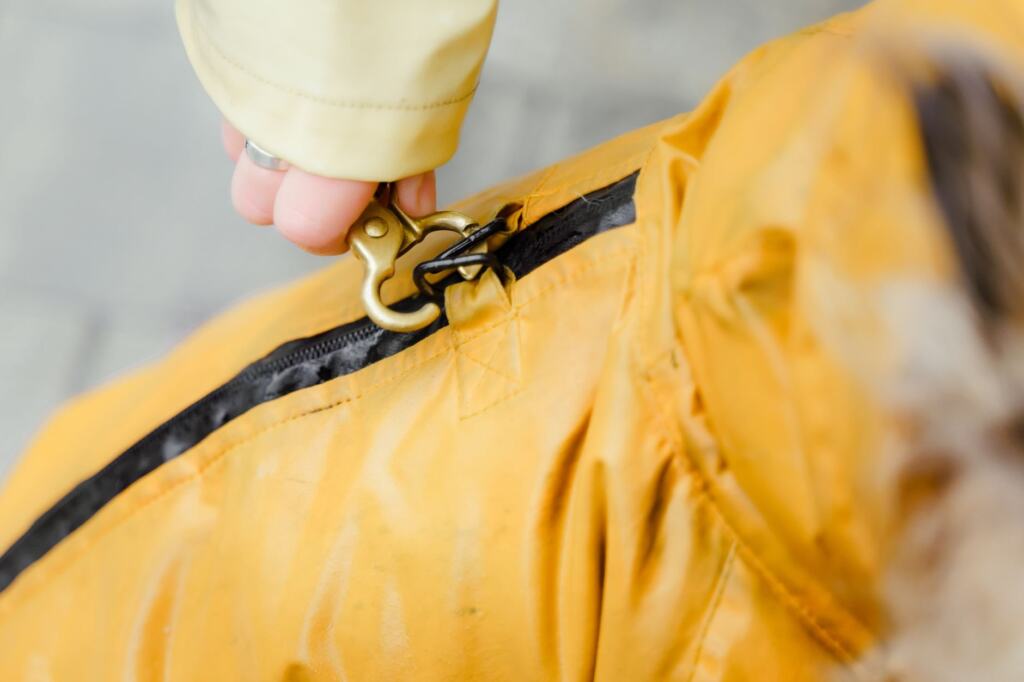
A lightweight waterproof jacket for summer walking is a different proposition from a winter shell. The aim is a light layer that can be stowed in moments and pulled on when a shower passes. The main risk is overheating inside a fully sealed jacket once the rain stops or the climb steepens.
For that reason, closures and venting deserve more attention than extra pockets. A zip that runs smoothly and can be opened part-way gives control over warmth, and it is worth testing with the jacket on before buying. Summer walkers pairing a jacket with lighter footwear can also look at the best walking sandals, though sandals and a downpour make an awkward combination.
- Light and minimal: the best option for fair-weather days, but expect fewer features and less protection in a prolonged soaking.
- Fuller zip and cuff adjustment: a little more to carry, with better control when conditions swing between warm and wet.
Weight, packed size and price
These three measures are the heart of any lightweight jacket comparison, and they pull against each other. The lightest and smallest jackets tend to cost more or leave out features, while cheaper ones may be bulkier. The sensible approach is to decide which of the three matters least and accept the compromise there.
Read the manufacturer’s stated weight and packed size from the product page, and note whether the figure covers the jacket alone or includes a stuff sack. Then place those figures beside the price and the features the walk actually needs. Two jackets with similar weights can differ greatly in hood design and cuff adjustment.
Choosing on a budget
The best budget lightweight waterproof jacket is the cheapest one that still has an adjustable hood, a reliable zip and cuffs that close properly. Spending less is reasonable for occasional walkers, particularly if the jacket is mainly an emergency layer. Walkers heading out most weekends in all weathers gain more from paying extra for fit and durability.
Looking beyond the big brands
Smaller UK-based and imported suppliers can be worth a look. New Forest Clothing is a family-run business with over 50 years’ experience in clothing, and Canvas & Cotton brings a vibrant French outdoor range to UK buyers. Compare any jacket from them on the same weight, packed size and price criteria, as the supplier’s reputation does not replace checking the specification.
Packing and keeping the jacket handy
A jacket that is buried at the bottom of the pack is not much use when a squall hits. Packable jackets that fold into their own pocket or a small stuff sack make it easy to stow them near the top. Before leaving, check the jacket still folds back down easily, since a stiff or awkward pack-away design gets left at home.
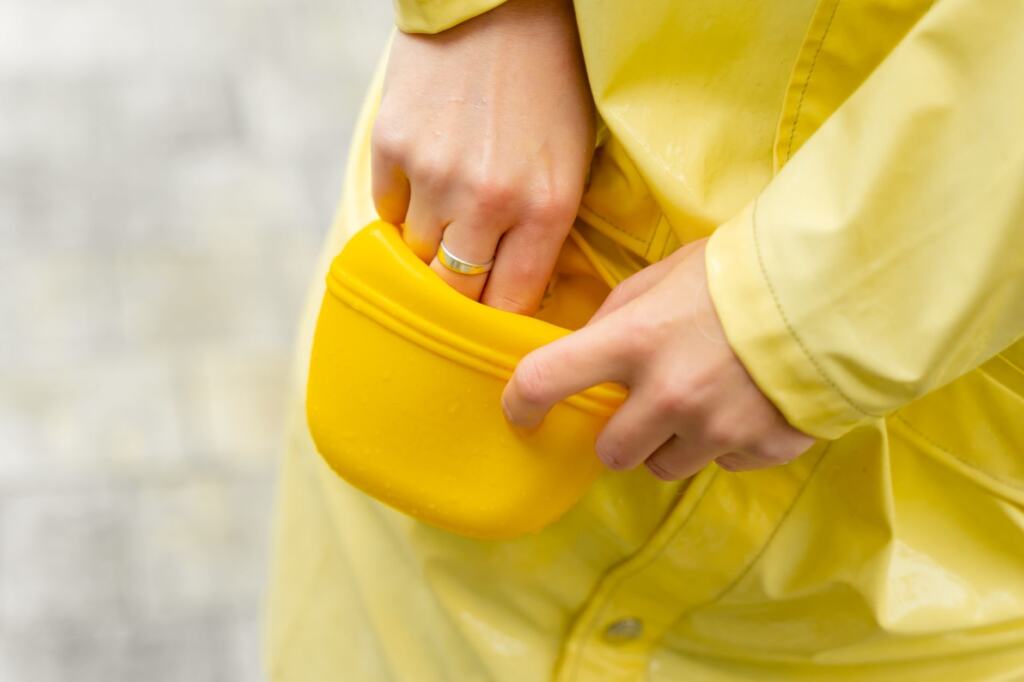
Keep the jacket where it can be reached without removing the pack, and put it on before the rain gets heavy rather than after. This is a small habit that makes a light jacket more effective than a heavier one left in the bottom of the bag.
Frequently asked questions
What matters most when choosing a lightweight rain jacket for hiking?
Fit of the hood and cuffs, then weight and packed size, then price. A light jacket that lets wind-driven rain in at the neck is a poor buy however small it packs.
Is a packable jacket enough for summer walking?
Usually yes for showers on fair-weather days, provided it has a zip that can be opened for ventilation. For long, wet days, a jacket with more adjustment is the safer choice.
Is a budget jacket a false economy?
Not necessarily. For occasional walks it can be a sensible purchase if the hood adjusts and the zip is dependable. Frequent walkers in rough weather are better served by spending more on fit and durability.
Where can walkers find smaller UK outdoor clothing suppliers?
The GrowMad outdoor clothing directory lists suppliers such as New Forest Clothing and Canvas & Cotton, which is a practical starting point for comparing options outside the largest brands.