The best first aid kit for hiking in Scotland is a small, waterproofed kit built around blister care, dressings and tape, with a foil blanket or bivvy bag added. Bigger packaged kits rarely earn their space.
Picture a wet afternoon on a Fife or Highland path: a rubbing heel, a slip on a greasy rock, a cooling walker waiting for help. This shortlist sits within our walking gear reviews and sorts kit options by what a walker will use, and by what each adds to a daypack. Keeping feet healthy is half the job, so it pairs well with our guide on how to waterproof walking boots.
- Short, familiar walks: a mini pouch plus blister plasters and a foil blanket.
- Regular hillwalking: a kit you assemble yourself, kept permanently in your daypack.
- Remote or higher-risk days: add a larger shelter and consider a first aid course.
How to choose a walking first aid kit
A walking first aid kit should cover the injuries you are likely to meet and stay light enough that you never leave it at home. The Washington Trails Association lists a first aid kit as one of the Ten Essentials for a hike. It also says each person’s kit should vary with the medical conditions of the hikers, the length and duration of the trip, and the area.
Pack space matters because every item competes with waterproofs, food and water. Blackbird Guides notes that weight and space in packs are limited, so kits should prioritise critical items and versatile items. Greenbelly makes a related point: pre-packaged kits tend to be heavy and include items you do not need. Its advice is to scale supplies to the number of days and people, and to scale back for short or solo trips.
That gives a practical rule. A higher piece count is not a better score. Choose the smallest kit whose contents you understand, then add the items below that your routes call for.
Kit options at a glance
| Option | Size or count | Planning use |
|---|---|---|
| Mini Travel First Aid Kit (Red Cross) | 4 in. x 4 in. | Suits short, low-risk walks. Add your own blister care and a blanket. |
| Be Red Cross Ready First Aid Kit | 73 pieces | A broader base to strip back and repack for walking. |
| First Aid Kit PLUS (Red Cross) | 93 pieces | Best treated as a home or car kit, with a smaller selection carried on the hill. |
| Adventure Medical Kits Ultralight / Watertight .5 | $31.99 regular retail price | A watertight, ultralight-style kit for a wet climate. Check the contents list before buying. |
Piece counts and the mini kit size come from the Red Cross travel kit guide, and the price is a US retailer listing.
Compact pouch kits for short walks
A compact pouch is the right choice for local routes where help is never far away. The Red Cross lists a Mini Travel First Aid Kit measuring 4 in. x 4 in. and describes it as fitting just about anywhere, which makes it easy to drop into a daypack side pocket.
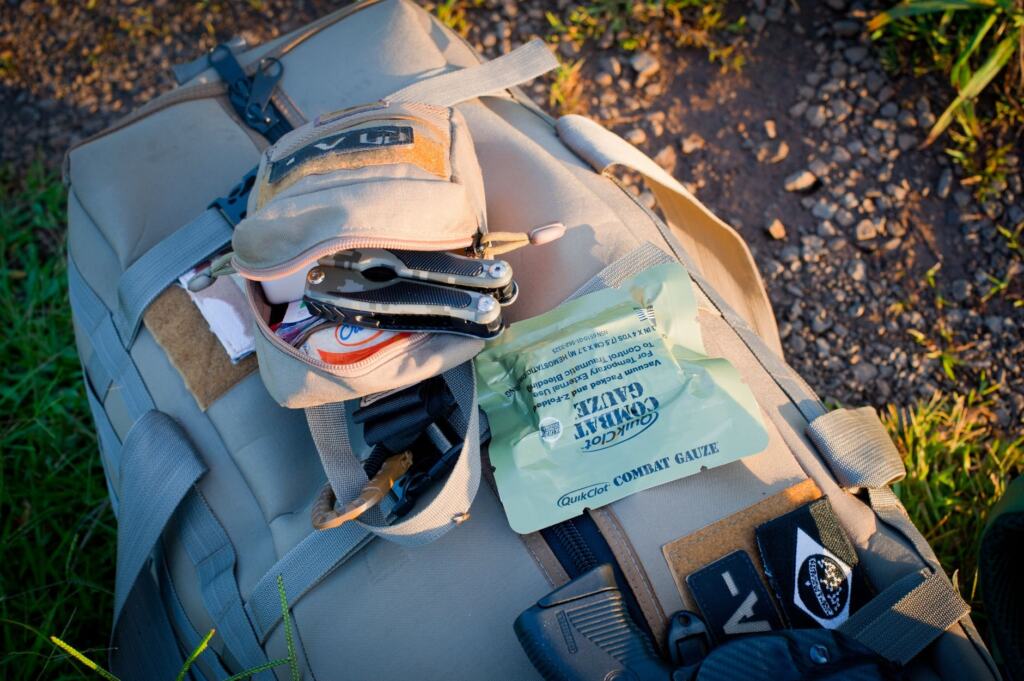
The limitation is contents. A mini kit is a starting point, not a complete hillwalking kit, and it usually leaves out blister treatment and shelter. Treat it as the pouch and add those yourself.
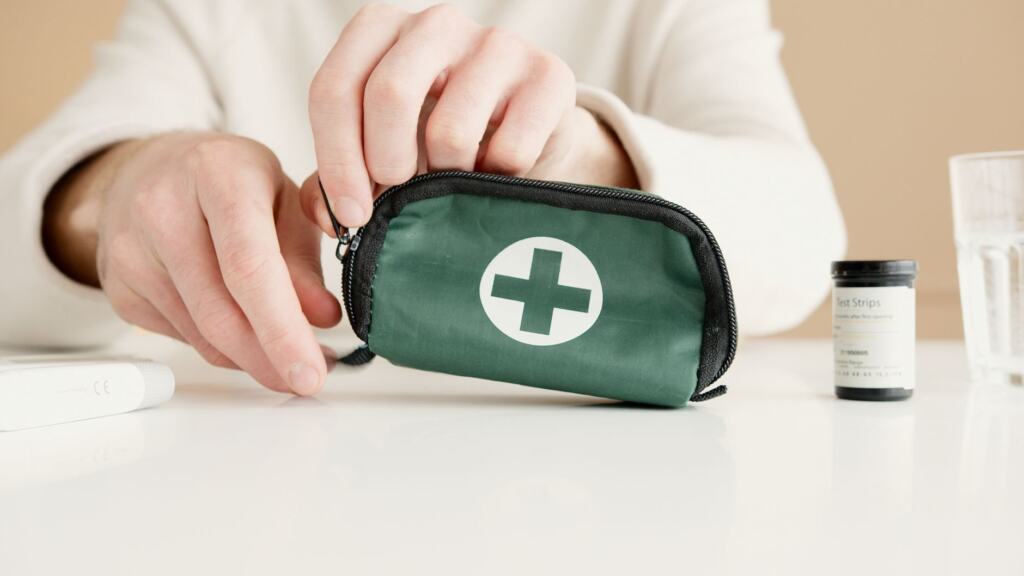
Whatever you carry, keep it dry. WTA suggests organising and waterproofing a kit with small resealable bags and plastic bottles. In a wet climate that is a cheap upgrade for any pouch that is not watertight.
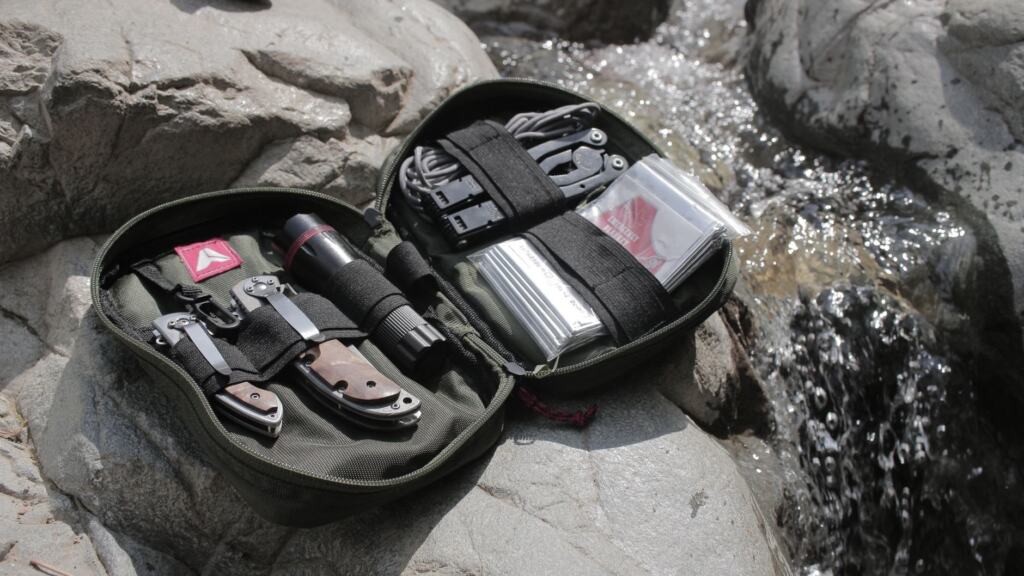
Build-your-own kit for regular hillwalkers
If you walk most weekends, assembling your own kit is the better route. You choose each item, drop what you will never use and keep the weight honest. Greenbelly recommends making a kit for each bag you use and leaving it in there, then checking and restocking after trips. That habit stops the common failure of an excellent kit sitting on a hallway shelf.
A sensible core is dressings, adhesive tape, blister treatment and a lightweight emergency blanket. The Red Cross travel list includes medical tape alongside blister plasters and an emergency blanket. Beyond that, the useful extras depend on where you walk.
- Tourniquet: Blackbird Guides calls tourniquets an essential part of any kit on trips with potential for serious injury or laceration. For a woodland or coastal stroll it is optional, but it deserves thought for remote, rocky ground.
- Personal medication: WTA says contents should vary with the medical conditions of the people in your group, so this is yours to decide.
- Training: WTA suggests a Wilderness First Aid course is a great idea for people who hike often. A well-stocked kit is only as good as your ability to use it.
Blister plasters and tape
Blister care is the part of a kit a walker is most likely to use. The Red Cross travel kit list includes hydrocolloid blister plasters, and Blackbird Guides lists blister treatment, naming KT Tape, in the minor injury section of a wilderness kit.
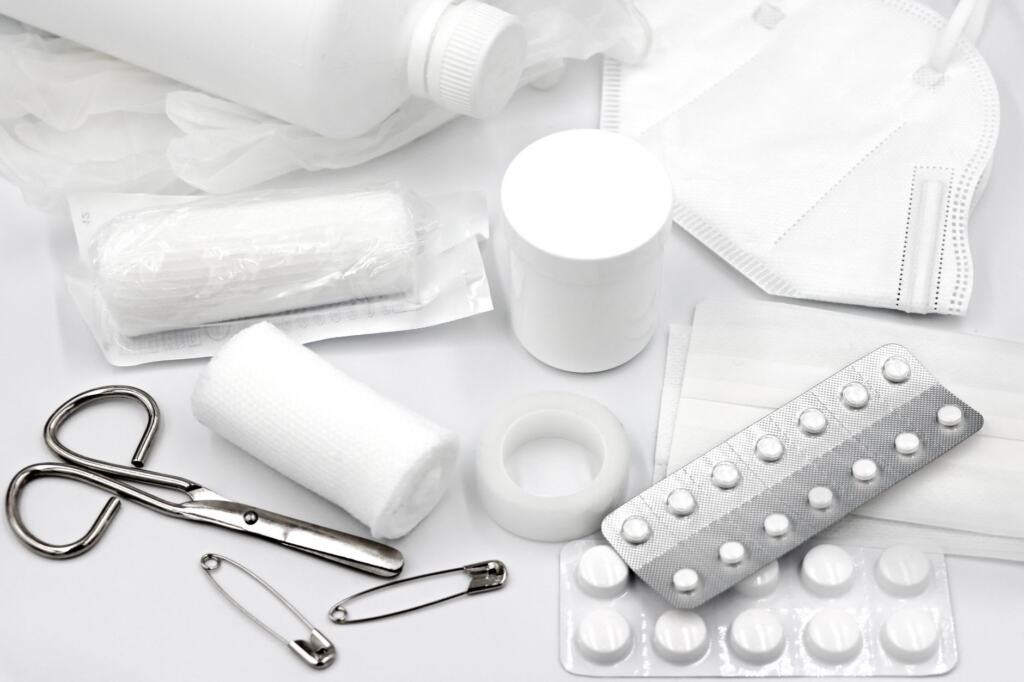
Tape does double duty. WTA describes moleskin as a blister preventer: cut a section and apply it as soon as you find a hot spot, with duct tape also working. Greenbelly puts 2 ft of duct tape or moleskin on its must-have list, noting it can hold bandages in place. It suggests wrapping the tape around a straw to save space.
Put these items at the top of the pouch rather than the bottom, because you will reach for them mid-walk, not after the injury. If your boots rub from the start, the cause may be fit rather than kit, and our guide to the best walking boots for wide feet covers that side.
Foil blanket or bothy bag: choosing emergency shelter
A foil blanket is the minimum emergency shelter, and a bivvy bag is the step up. The Red Cross says an emergency blanket or bivvy bag is a great choice to prevent hypothermia, and it can also be used to signal for help or provide shelter. WTA’s kit list describes a space bag or blanket as a lightweight emergency shelter for treating hypothermia victims. Blackbird Guides treats a heat-reflecting blanket as an optional item.
So the difference is mainly one of scale and role. The blanket is a thin item that lives inside the first aid kit and costs almost nothing in pack weight. A bivvy bag or larger shelter is a separate piece of gear you add when a walk is long, exposed or remote, and you accept the extra weight. Choose the blanket for every walk and decide on the bigger shelter route by route.
Planning how to call for help
A kit treats a problem; it does not replace getting help. Greenbelly’s advice is that for serious injuries you should have medical supplies and a plan for contacting emergency services. Settle that plan before you leave. Tell someone your route and expected return, and know what you will do if you cannot continue.
Signalling items belong in the same thinking. The Red Cross notes that an emergency blanket can be used to signal for help, which is a good reason to choose a bright or reflective one.
Decision checklist
- Decide how long and remote your usual walks are, as WTA says trip length and area shape the kit.
- Start with a compact pouch or your own selection of dressings and tape.
- Add blister plasters or moleskin and tape at the top of the kit.
- Add a foil blanket, then consider a bivvy bag or larger shelter for remote days.
- Waterproof the kit and leave it permanently in your daypack.
- Restock after each trip and review contents for medical needs and tourniquet suitability.
Frequently asked questions
Do I need an emergency shelter on a short walk?
Carry at least a foil blanket. A short walk can become a long wait after an injury, and the Red Cross notes the blanket can prevent hypothermia, signal for help or provide shelter. A bigger shelter depends on the trip and area.
How do I call for help on a Scottish hill?
Have a plan for contacting emergency services before you set off, and carry the supplies to look after an injured person while you do. Agree your route and return time with someone at home so they know when to raise the alarm.
How often should I check my kit?
Check and restock after trips. Keeping a dedicated kit in each bag you use means it is always packed when you leave.
Is a first aid course worth it for walkers?
For people who hike often, WTA calls a Wilderness First Aid course a great idea. It teaches you to use what you carry.