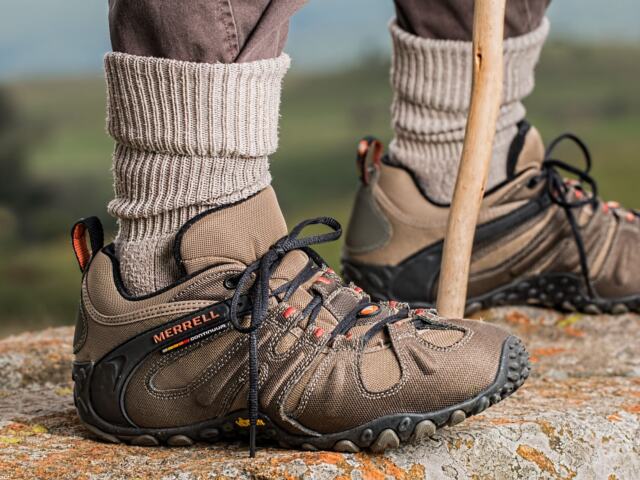
On a cold, damp Scottish hill day, the best base layers for walking are merino if your pace and stops vary, and synthetic if you keep moving hard. The deciding factor is how each fabric handles sweat.
This comparison sits within the wider walking gear reviews, and it looks at base layers first because mid layers and shells only work well over a base layer that is not holding moisture against the skin.
How to judge a walking base layer
A base layer earns its place by managing sweat on the climb and keeping you from chilling when you stop. Work through the following checks in order, and the choice between fabrics usually settles itself.
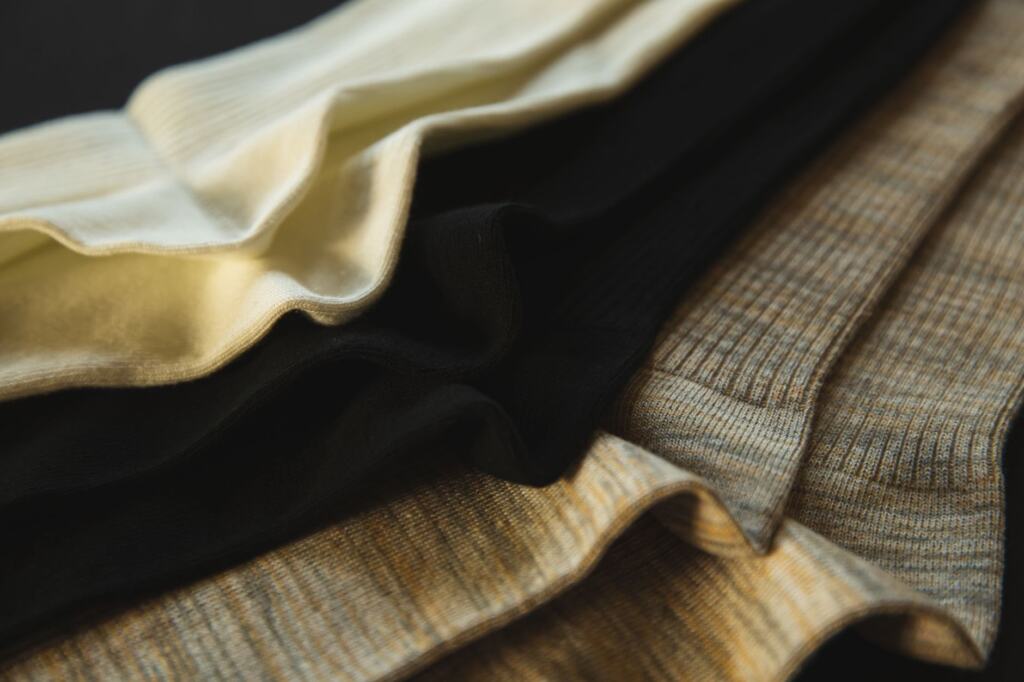
- Check moisture handling first. Merino absorbs moisture at the fibre level and releases it as vapour, and a retailer’s fibre guide says it can take up to 35% of its own weight in moisture without feeling wet against the skin. A synthetic base layer moves moisture as liquid along the fibre surface instead.
- Ask what happens when activity slows. The same guide says the synthetic approach works during high-output activity but leaves dampness once you slow down. A walker who stops at a summit cairn or a bothy doorway meets that moment often.
- Look at stretch and fit. Merino’s natural crimp gives it elasticity that synthetics replicate only with added stretch components. A base layer that moves with the shoulders and hips stays against the skin, where it can do its job.
- Read the fibre label. Pure fibre and blends behave and care for differently, so the percentage breakdown matters more than the product name.
- Weigh price last. Compare like with like, meaning the same fibre content and sleeve length, before deciding whether a premium is justified.
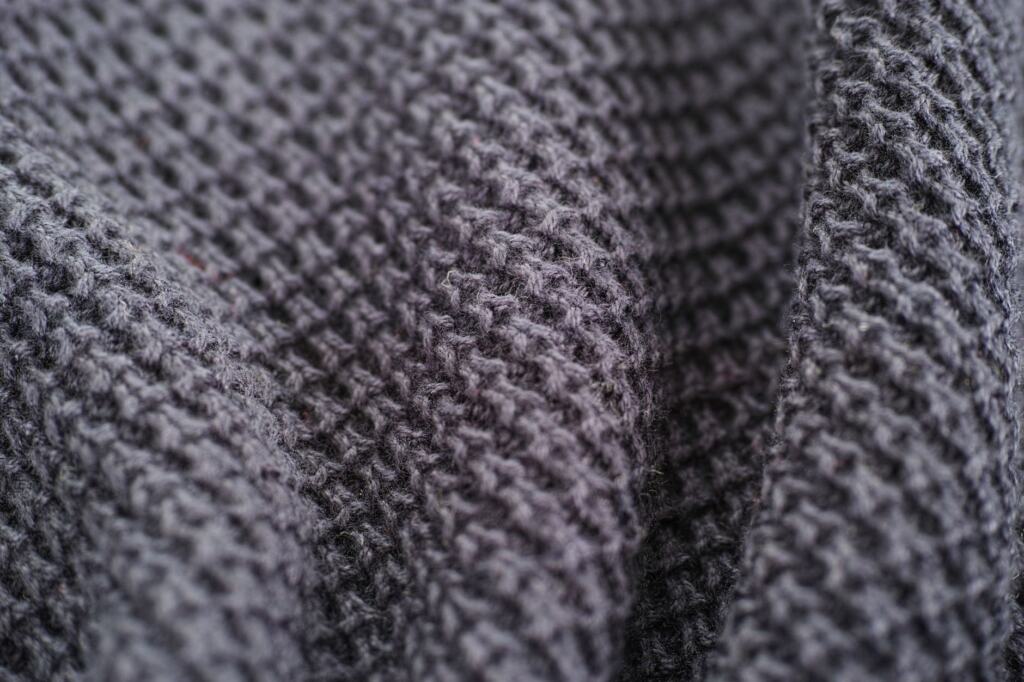
Merino and synthetic base layers compared
The table sets the two fabric families side by side on the criteria above. Most of the merino behaviour is a retailer’s description rather than independent test data, so treat it as a guide to what each fabric is designed to do.
| Criterion | Merino | Synthetic | Planning use |
|---|---|---|---|
| Moisture handling | Absorbs moisture in the fibre and releases it as vapour | Moves moisture as liquid along the fibre surface | Merino suits damp days with varied effort; synthetic suits sustained effort |
| Insulation behaviour | Described as responding to body temperature by managing heat and moisture output | Passive, insulating at a fixed level whatever the body is doing | Synthetic needs mid layers added or removed to adapt; merino adapts more on its own |
| After exertion | Described as preventing after-chill | Leaves dampness when activity slows | Favour merino for long stops in cold air |
| Stretch | Natural crimp gives elasticity | Matches it only through stretch additives | Check the elastane or stretch content on synthetic labels |
The comparisons above draw on the retailer’s merino wool guide, so they reflect one maker-side view of both fabrics.
Which fabric suits which walker
- Choose merino for stop-start days. Climbing hard, then standing in cold air at a viewpoint or lunch stop, is exactly where the claimed after-chill protection matters. It is the safer default for most cold, damp hill walking.
- Choose synthetic for steady, fast effort. If you rarely stop and walk at a sustained high output, liquid moisture transport does the job. Expect to manage warmth with mid layers because the fabric itself does not change its insulation.
- Consider both in the pack. On a long day with a hard first half and a slow exposed second half, a spare base layer lets you change out of a damp one at the turning point.
Best thermal base layer for winter walking
For winter, a merino thermal is the stronger starting point, because the fabric’s temperature response and moisture release address the cold-and-damp problem directly. Listings for full sleeve merino tops show how fibre content, care and price vary.
| Garment | Fibre content | Listed price | Maker claims and care | Planning use |
|---|---|---|---|---|
| Men’s full sleeve thermal top | 100% Merino | INR 2,490.00 | Woolmark-approved, easy care; designed for maximum insulation in extremely cold conditions | Pure merino for the coldest days; confirm the label’s wash guidance |
| Full sleeve thermal top | Merino and bamboo wool blend with 5% elastane | Check the current listing | Designed for lightweight warmth while staying breathable | A lighter, stretchier option for brisk winter walks |
These details come from a retailer’s listings and merino guide. The price is shown in Indian rupees, so use it to compare the two tops rather than as a UK shelf price.
Choosing between pure merino and a blend
Pick the 100% merino top when cold is the main problem and you want the fabric’s full moisture and temperature behaviour. Pick the blend when fit and freedom of movement matter more, since the elastane adds stretch. Whichever you buy, follow the care instructions printed in the garment, as the maker’s label overrides any general guidance.
Mid layers and the rest of the layering system
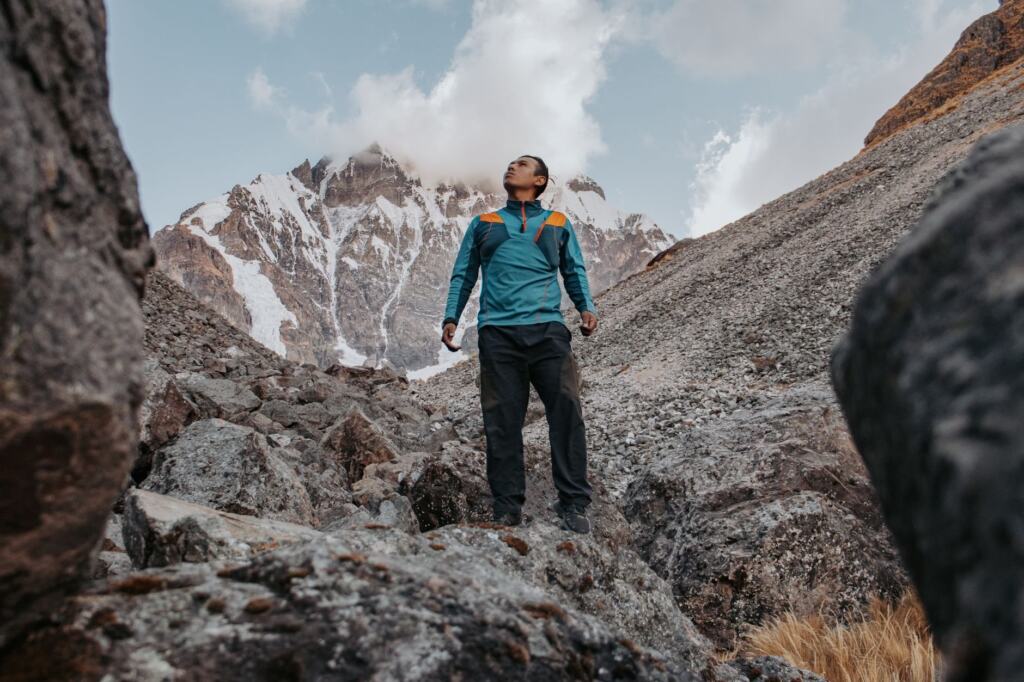
Once the base layer is right, the mid layer is a warmth decision rather than a moisture one. A half-zip top suits walkers who want to vent heat on a climb without stripping off completely, and it is easy to stow when you warm up.
Because a synthetic base layer insulates at a fixed level, walkers wearing one rely more heavily on adding and removing the mid layer. Merino wearers still need a mid layer on cold stops, but may adjust it less often.
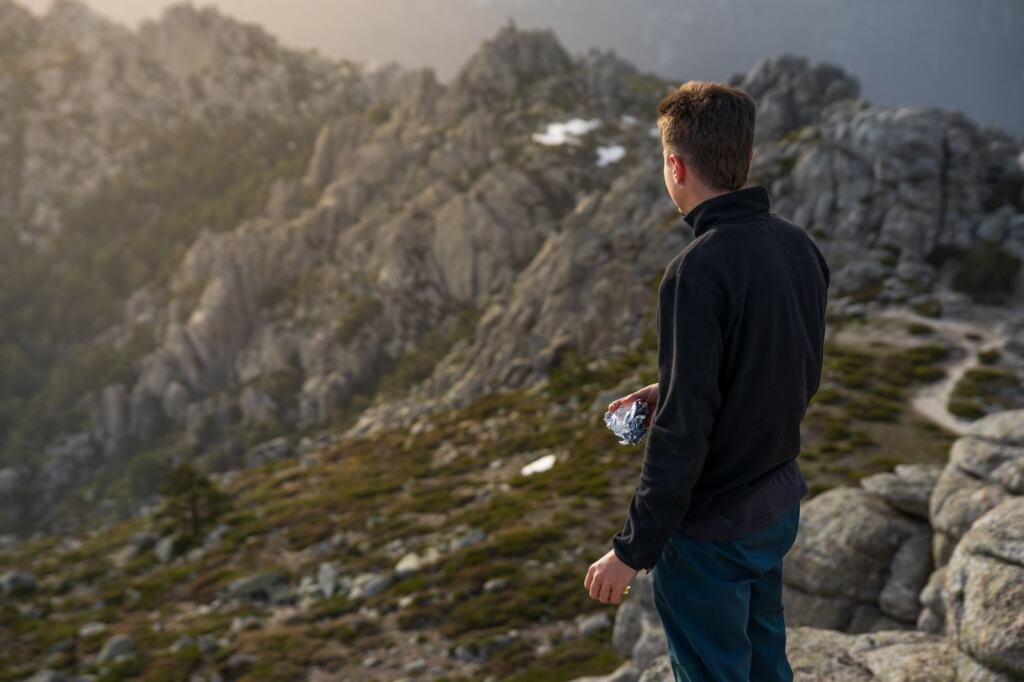
Legs and feet complete the system. The best waterproof walking trousers cover the lower half in wet weather, and the best walking socks deal with moisture at the feet, using the same fabric thinking as above.
Frequently asked questions
| Question | Answer |
|---|---|
| Do merino base layers smell less after several days? | A retailer describes merino as naturally anti-bacterial and moth-proof, which it links to long-lasting freshness. That is a maker-side claim rather than a measured result, so rotate garments on multi-day trips and air them out. Details are in the retailer’s merino guide. |
| What fibre thickness do performance merino base layers use? | The same guide says most merino used in performance base layers falls between 18 and 24 microns. Use that as a reference range when a product lists its fibre diameter. |
| Is a merino thermal top hard to look after? | One Woolmark-approved 100% merino top is described as easy care. Check the wash label on each garment, since blends with bamboo or elastane may differ. |