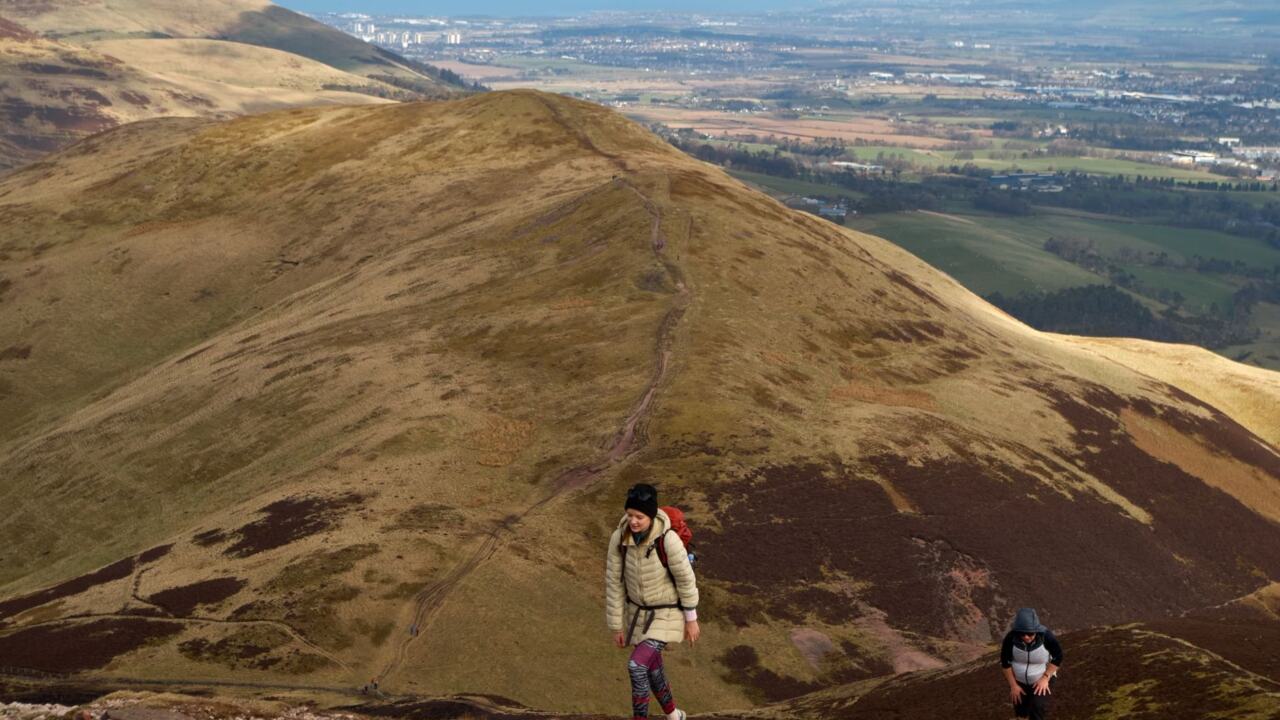
The hardest hill walks in Fife are in the Lomond Hills, where West Lomond is the most challenging route, with a full hike of around 4 hours. East Lomond, Norman’s Law and Largo Law suit walkers who want a smaller commitment.
This list ranks the top place only where a published comparison supports it. For wider route ideas across the county, see our guide to walking routes in Fife.
How these hills are judged
Fife has no high mountains, so difficulty here comes from sustained climbing, time on the hill and open ground rather than from altitude. Each walk below is judged on the figures that are published for it, and where a figure is missing, the entry says what to plan from instead.
- Time on foot: published walking times separate a short outing from a long one more reliably than height does. The Lomond Hills trails are described as lasting anywhere from 1 to 4 hours, so a route near 4 hours is at the demanding end.
- Height and prominence: a summit’s height and prominence show how much climbing stands between you and the top. These figures are quoted where they are available.
- Views: a hard walk should repay the effort, so the entries note which hills are known for what you see from them or of them.
- Ranking: West Lomond is placed first because it is described as the most challenging of the Lomond Hills walks. The remaining hills are grouped by character, not scored against each other.
Fife hill walks, from hardest down
West Lomond: the most demanding hill walk
West Lomond is described by Visit Fife’s walking guidance as the most challenging of the Lomond Hills walks, with a full hike taking around 4 hours. That puts it at the top of the 1 to 4 hour range given for trails across the Lomond Hills.
It suits walkers who are comfortable with a long day on their feet and who have already done a few shorter hill days. It is a poor choice for a late start or for a group with mixed fitness. Plan the route from an Ordnance Survey map before you set out, and allow a margin beyond the quoted time for stops and the descent.
East Lomond: a steep, shorter summit
East Lomond, also known as Falkland Hill, reaches 448.0 m (1470 ft) with a prominence of 155.0 m (508 ft), according to The Mountain Guide’s East Lomond entry. Prominence is a rough measure of how much of that height stands clear of the surrounding land, and 155.0 m is a substantial climb for a hill this close to the lowlands. Its nearest town is Falkland, which is the natural base for the ascent.
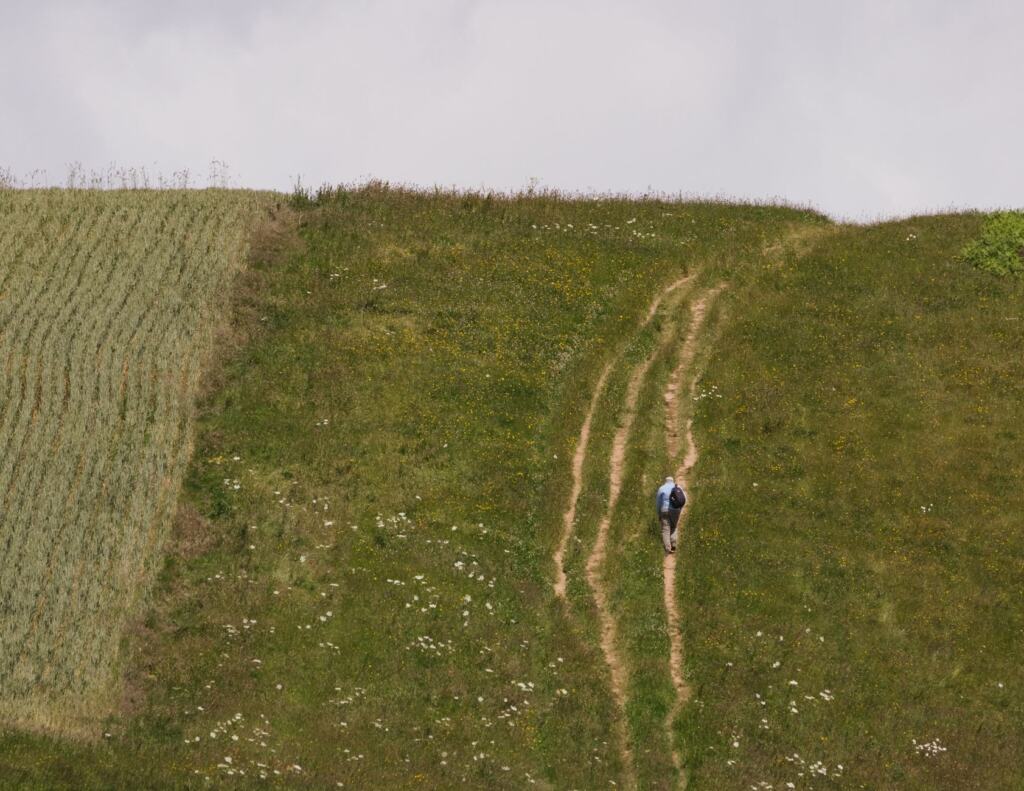
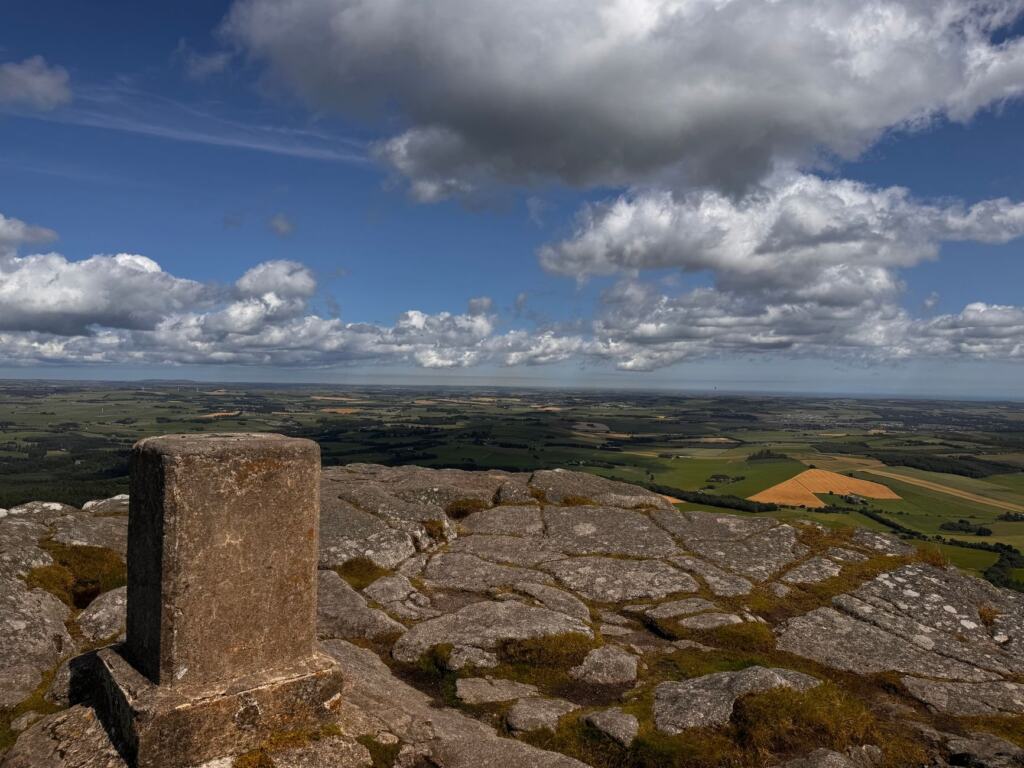
This is the better first step for walkers who want a real climb without committing to the West Lomond day. Its limitation is that a short walk can still be steep, so good footwear matters more than a long time budget. The summit viewpoint sits on ground about 20 cm higher than the base of the viewpoint, a small detail that shows how exposed and open the top is.
Norman’s Law: a longer outing with Tay views
Norman’s Law takes around 2 ½ to 3 hours and offers fantastic views over the River Tay, as Visit Fife notes. That makes it the clearest middle option between East Lomond and the full West Lomond hike.
It suits walkers who care more about the outlook than the summit tick. Because the time is quoted but no ascent figure is, treat it as a half-day outing and check the contours on your map before judging how steep it will feel.
Largo Law: the coastal hill
Largo Law forms the stunning backdrop to Leven Beach, which makes it the obvious hill for anyone staying on the south-east Fife coast. It is best treated as a view-led walk, since no summit height or timing is quoted for it here.
Choose it when you want the sea in sight for much of the day. If you need a firm time or ascent figure for planning, read them off the Ordnance Survey map for the area, and give it a generous allowance until you know the hill.
Dunearn Hill and the lower summits
Not every Fife hill needs a full day. Fife Walking lists Dunearn Hill at 223.6 m, Orrock Hill at 205 m and Baspard Hill at 197 m. These lower summits suit walkers who want hill ground without the demands of the Lomond Hills, and they work well as a test of fitness before a bigger day.
Coastal sections for ascent and distance
If your aim is stamina rather than summits, the Fife Coastal Path has demanding days of its own. Hillwalk Tours lists the Kingsbarns to St Andrews day as 8 miles (13 km), 4 to 5 hours, with 210 m of ascent. The Crail to Kingsbarns section is shorter at 6 miles (10 km), 3 to 4 hours and 100 m of ascent.
Those figures show that distance and ascent both add up on a coastal day, even without a summit. For more options around the town, see our guide to walks near st andrews. If you would rather pick something gentler altogether, craighall den ceres is a less demanding alternative.
Side-by-side comparison
| Hill | Published time | Height | Best for | Planning use |
|---|---|---|---|---|
| West Lomond | Around 4 hours (full hike) | — | Experienced walkers wanting the toughest Lomond Hills day | Start early and allow extra time for the descent |
| East Lomond | — | 448.0 m (1470 ft) | A steep climb from Falkland without the full West Lomond day | Choose solid footwear; the nearest town is Falkland |
| Norman’s Law | Around 2 ½ to 3 hours | — | Views over the River Tay | Plan a half day and check contours on the map |
| Largo Law | — | — | Coastal views behind Leven Beach | Read distance and ascent from the map before setting out |
Times come from Visit Fife and the East Lomond height from The Mountain Guide.
Best hills for views
Norman’s Law is the clearest view-led choice, with its outlook over the River Tay. Largo Law earns its place for the opposite reason: it is seen from the coast as much as it is climbed, rising behind the golden sands of Leven Beach.
East Lomond has a summit viewpoint, so the top gives a reward for a short but steep climb. Pick your hill by the view you want, then match the day to the time quoted: a clear day matters more for the Tay and the coast than for a walk where effort is the point.
What to carry on a strenuous hill walk
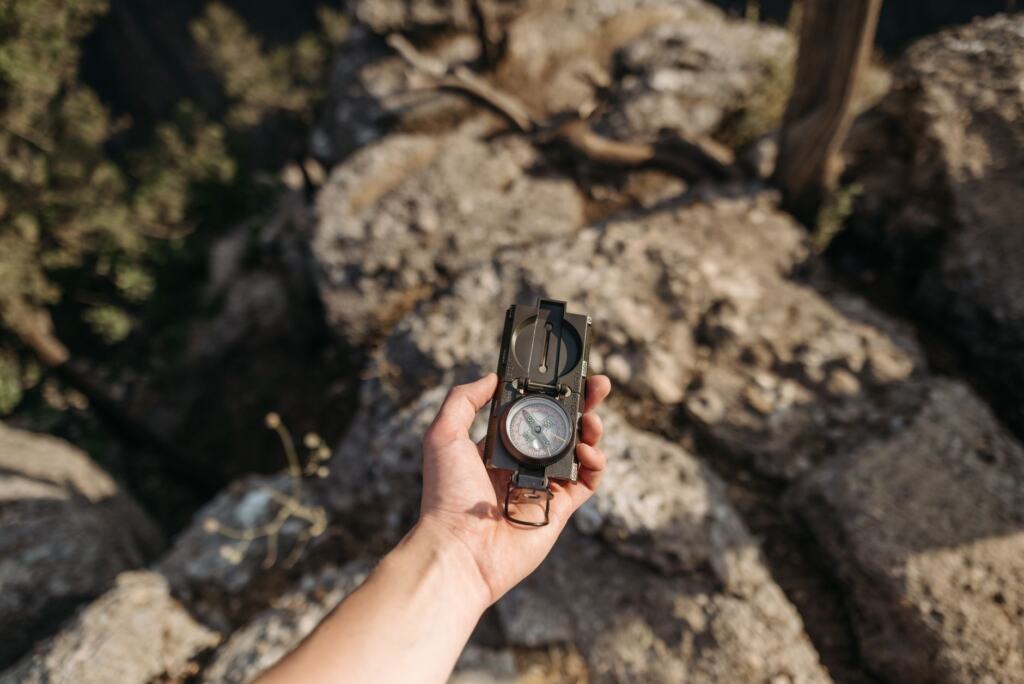
Carry a paper map and compass and know how to use them, because mobile signal and batteries are not reliable on open hills. For the Lomond Hills, The Mountain Guide lists Ordnance Survey sheet 370 (Glenrothes North, Falkland & Lomond Hills) as the relevant map for East Lomond. Use it to read the contours and judge how steep each section will be before you commit.
- Navigation: an OS map of the area and a compass, with the route marked before you leave.
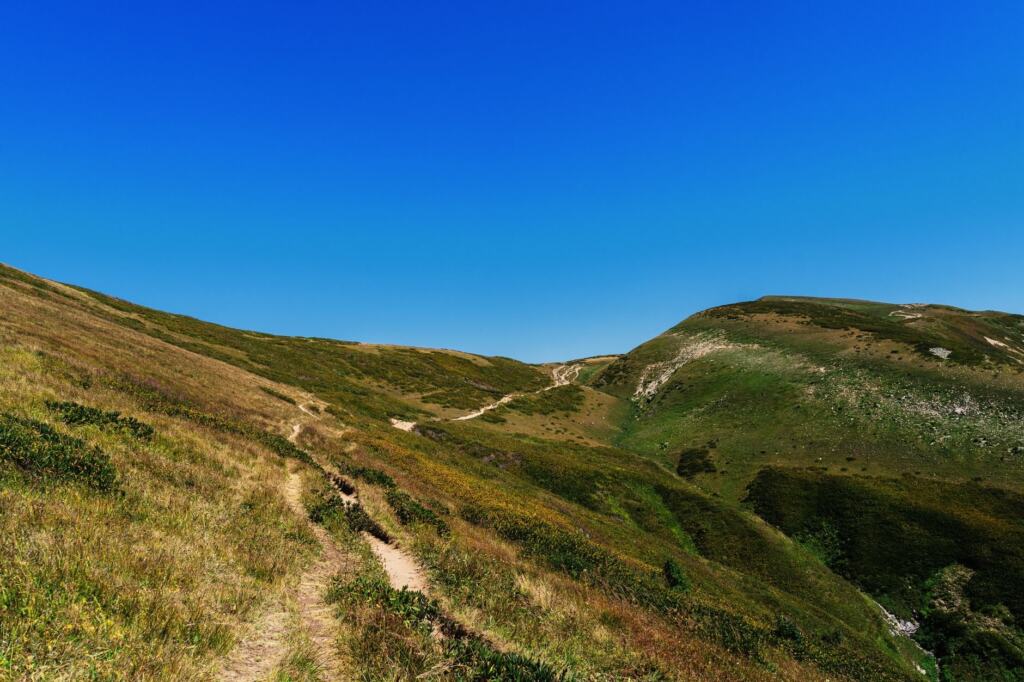
- Footwear: sturdy boots for steep or muddy ground, since the climbs here are sustained.
- Warm and waterproof layers: the top of a hill is more exposed than the car park, so dress for the summit, not the start.
- Food and water: the longer walks, such as the full West Lomond hike of around 4 hours, need a proper supply.
Follow the access guidance too: the Fife Coast and Countryside Trust points walkers to its Outdoor Access page for how to behave responsibly on the paths.
Weather and ground conditions
Upland ground changes quickly with the weather, and a hill that feels moderate in clear conditions becomes demanding when cloud drops or the path is wet. Check the forecast on the day, and be ready to turn back if conditions worsen.
If the weather is poor, the shorter, more manageable options in the Lomond Hills, such as the Falkland Estate and the Tyndall Bruce Monument Trail, are better choices than West Lomond. They remain scenic and keep you lower, which suits a day when the big hill is best left alone.
Frequently asked questions
What is the hardest hill walk in Fife?
West Lomond, which Visit Fife describes as the most challenging of the Lomond Hills walks.
How long does the West Lomond walk take?
A full hike takes around 4 hours, and Lomond Hills trails in general last from 1 to 4 hours.
How high is East Lomond?
East Lomond reaches 448.0 m (1470 ft), and its nearest town is Falkland.
Which map covers the Lomond Hills?
Ordnance Survey sheet 370, titled Glenrothes North, Falkland & Lomond Hills, covers East Lomond.
Is there a shorter alternative to West Lomond?
Yes. The Falkland Estate and the Tyndall Bruce Monument Trail are shorter, more manageable and still scenic.